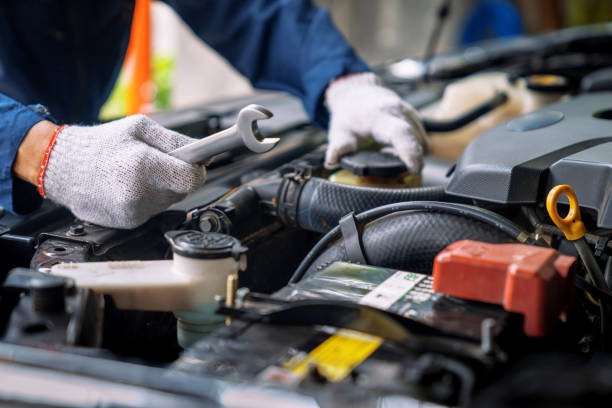
Auto mechanic working in the garage, Service and maintenance and car maintenance.
Plenty of drivers are surprised to learn that a car, a pickup, and a work truck can all need very different kinds of care, even when they share the same road and the same warning lights. Gas engines and diesel engines run on different principles, and the repair knowledge behind them is not always interchangeable. A shop that understands both saves you from driving between specialists every time something goes wrong. Teams like Johnny’s All County Auto & Truck Repair work on everyday cars as well as heavier trucks, so they see the full picture. Here is what to expect from auto and diesel service in Pinellas Park FL.
Why the Vehicle Type Changes the Service
How Gas Engines Work
Gasoline engines ignite a fuel and air mixture with spark plugs, so ignition parts, sensors, and fuel injectors play a big role. Tune-ups focus on spark, airflow, and emissions systems. Most passenger cars and light trucks fall into this group.
How Diesel Engines Differ
Diesel engines use compression to ignite fuel, which creates higher pressures and torque. That means heavier components, high-pressure fuel systems, and turbochargers that need specialized attention. They also tend to run longer between overhauls when properly maintained.
What Both Have in Common
Brakes, suspension, steering, cooling, electrical systems, and tires matter on every vehicle. A shop that handles both types can give a complete inspection and prioritize repairs sensibly instead of treating each issue in isolation.
Everyday Maintenance That Pays Off
Oil, Filters, and Fluids
Clean oil and fresh filters protect every moving part inside the engine. Diesels often hold more oil and need filters sized for heavy duty, so using the correct grade matters. Follow your manufacturer’s schedule and adjust for hard use like towing or stop-and-go driving.
Tires and Alignment
Proper pressure, rotation, and alignment extend tire life and improve fuel economy. Uneven wear is often an early sign of suspension trouble. Checking tires regularly costs little compared with replacing them early.
Diesel-Specific Care Worth Knowing
Fuel Filters and Water Separators
Diesel systems are sensitive to contamination, and even small amounts of water or dirt can damage injectors. Changing fuel filters on time and draining water separators protects expensive components. This simple habit prevents many roadside breakdowns.
Emissions Systems and Exhaust Fluid
Modern diesels often use particulate filters, EGR systems, and exhaust fluid to reduce emissions. These parts need correct fluids, periodic cleaning, and prompt diagnosis when warning lights appear. Ignoring them can lead to reduced power and costly repairs.
Warning Signs You Should Never Ignore
Symptoms You Can Spot Yourself
Book an inspection when you notice any of the following:
- Hard starting or long cranking
- Black, white, or blue exhaust smoke
- Loss of power or poor fuel mileage
- Fluid spots under the vehicle
- Rough idling or stalling
Sounds and Smells
Knocking, squealing, grinding, and hissing each point to different problems. Burning smells, sweet coolant odors, or fuel fumes should be checked immediately. Describing exactly when the noise happens helps technicians find the cause faster.
Dashboard Lights
A check engine light can signal anything from a loose cap to a serious fault, so scanning for codes is the right first step. Flashing lights and red warnings mean you should stop driving as soon as it is safe.
Brakes, Suspension, and Steering
Stopping Power First
Brake pads, rotors, lines, and fluid all need regular inspection, especially for heavy loads. Soft pedals, pulling, or vibration should never be ignored. Timely service protects both your safety and your wallet.
Ride Comfort and Control
Worn shocks, struts, and bushings make a vehicle bounce, drift, and wear tires unevenly. Steering components that feel loose can become unsafe. A thorough inspection catches these issues before they grow.
Heat, Humidity, and Florida Driving
Cooling System Care
Hot weather pushes cooling systems hard, and old hoses, weak radiators, or low coolant can lead to overheating. Regular flushes and pressure tests are inexpensive insurance, especially before long summer trips.
Batteries and Air Conditioning
Heat shortens battery life and strains the air conditioner. Testing the battery and checking refrigerant levels before summer prevents unwelcome surprises. In Florida, working A/C is not a luxury but part of safe, comfortable driving.
Fleet and Work Truck Needs
Planned Maintenance Saves Downtime
For businesses, a truck out of service means lost income. Scheduled inspections and service intervals keep vehicles reliable and make costs predictable. A shop that understands your routes and loads can build a plan that fits.
Heavy Loads and Towing
Towing stresses transmissions, brakes, and cooling systems. Ask about upgrades and inspection points for heavier duty use. Small preventive steps can protect expensive drivetrain parts.
Documentation and Records
Good records help with warranties, resale value, and compliance. Keep invoices and ask your shop to note recommendations and deferred work so you can plan ahead without surprises.
Choosing the Right Shop
What to Look For
Choose a shop with trained technicians, modern diagnostic equipment, clear estimates, and honest communication. When you search for auto and diesel service in Pinellas Park FL, check reviews for patterns about fairness, timeliness, and quality.
Questions to Ask Before You Commit
Ask about warranties on parts and labor, experience with your vehicle type, and how they communicate during repairs. A good shop explains problems plainly and respects your decisions about what to fix first.
Conclusion
Whether you drive a daily commuter or a heavy work truck, regular care and early attention keep repairs smaller and vehicles safer. A shop that understands both gas and diesel makes ownership far easier. When you are ready, contact a dependable Auto and Diesel Service in Pinellas Park FL and keep your vehicle running strong.
Frequently Asked Questions
How often should diesel trucks be serviced?
Most diesel trucks follow oil and filter intervals set by the manufacturer, often between several thousand and fifteen thousand miles. Heavy towing and dusty conditions shorten those intervals. Check your owner’s manual and ask your shop for a plan. Consistency matters more than any single number.
Can the same shop repair my car and my truck?
Many shops handle both, but it is wise to confirm experience with your specific vehicle type. Diesel systems often need specialized tools and training. Ask what brands and engines they commonly service. A versatile shop saves you time and trips.
What does a check engine light mean?
It means the onboard computer has detected a fault, which may be minor or serious. A scan tool reads the stored codes and points technicians toward the cause. A steady light can wait for a short visit, but a flashing one needs attention right away. Avoid ignoring it for long.
How can I make my vehicle last longer?
Follow the maintenance schedule, use quality fluids and filters, and address small problems early. Drive smoothly and avoid overloading. Keep records so you can track what was done. Preventive care is almost always cheaper than major repairs.