Plastic components are essential in industries such as automotive, electronics, medical equipment, packaging, and consumer products. Manufacturing these components requires accurate tooling, carefully planned designs, and reliable production processes. Plastic Mold Making plays a significant role in achieving consistent dimensions, product quality, and manufacturing efficiency. As engineering technologies continue to advance, manufacturers are adopting improved techniques to develop durable molds that meet complex production requirements.
Nubs Plastics Inc understands the importance of precision engineering and proper mold development in modern plastic manufacturing. By combining technical expertise with advanced manufacturing methods, companies can improve mold performance and produce components that meet specific application requirements.
1. Advanced CAD Modeling for Accurate Mold Design
Computer-Aided Design (CAD) software is an important tool in modern mold engineering. It allows engineers to create detailed three-dimensional models of mold components before manufacturing begins.
Through CAD modeling, engineers can evaluate cavity geometry, wall thickness, draft angles, parting lines, and other important design features. These details help identify potential design issues during the early development stage.
Accurate digital models also make it easier to modify designs according to product specifications. This reduces unnecessary machining changes and supports better coordination between product designers and mold manufacturers.
2. Mold Flow Simulation for Better Material Distribution
Mold flow analysis helps engineers understand how molten plastic behaves while moving through the mold cavity. Simulation software evaluates material filling, pressure distribution, cooling behavior, and potential defect formation.
This process helps identify common manufacturing problems, including:
- Air traps and incomplete filling
- Weld lines and flow marks
- Uneven material distribution
- Excessive injection pressure
- Potential shrinkage and warpage
By examining these factors before production, engineers can make adjustments to gate locations, runner systems, and injection parameters. This improves the likelihood of achieving consistent molded components.
3. Optimized Cooling Channel Design
Cooling is one of the most important stages of injection molding because it directly influences production cycle time and dimensional stability.
Traditional cooling channels are generally drilled into mold plates, but their placement may not provide uniform cooling around complex component geometries.
Advanced cooling channel designs aim to improve heat transfer throughout the mold. Conformal cooling is one example of this approach. It uses channels designed to follow the shape of the mold cavity more closely.
Proper cooling system design can help reduce temperature variations, minimize warpage, and improve production consistency. Engineers must also consider coolant flow, channel diameter, pressure loss, and maintenance requirements when developing cooling systems.
4. Selecting Appropriate Mold Materials
Material selection has a direct influence on mold durability, machining requirements, and production performance. Different mold steels and alloys offer different levels of hardness, wear resistance, thermal conductivity, and corrosion resistance.
For example, pre-hardened steels may be suitable for certain general-purpose applications, while hardened tool steels can be considered for demanding production environments.
Engineers should evaluate several factors before selecting mold materials:
- Expected production volume
- Type of plastic resin being processed
- Required surface finish
- Operating temperature and pressure
- Abrasion and corrosion resistance
Choosing suitable materials helps improve tool life and maintain consistent manufacturing quality.
5. Precision CNC Machining and EDM Processes
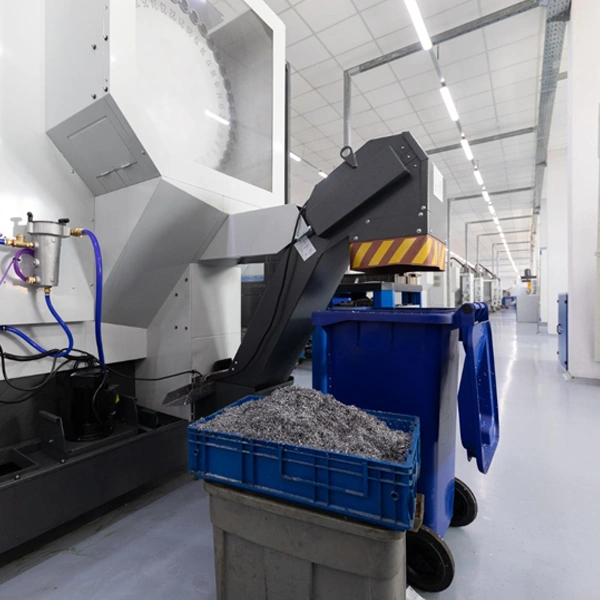
Modern mold manufacturing depends on accurate machining techniques to produce cavities, cores, inserts, and other tooling components.
Computer Numerical Control (CNC) machining uses programmed cutting operations to create precise mold geometries. It is particularly useful for producing complex surfaces and maintaining dimensional accuracy.
Electrical Discharge Machining (EDM) is another important process. It removes conductive material through controlled electrical discharges and is useful for creating intricate shapes, narrow slots, and detailed cavity features that may be difficult to machine conventionally.
The appropriate combination of CNC machining and EDM depends on mold geometry, material properties, and surface finish requirements.
6. Proper Venting and Ejection System Design
Venting and ejection systems are essential parts of reliable mold construction.
Vents allow trapped air and gases to escape as molten plastic fills the cavity. Poor venting can contribute to burn marks, incomplete filling, and surface defects.
Ejection systems help remove solidified components without damaging their geometry or surface finish. Engineers carefully determine ejector pin positions, sizes, and distribution to ensure that components can be released smoothly.
Proper design of these systems supports consistent production and reduces the risk of component damage.
7. Quality Inspection and Preventive Maintenance
Even accurately designed molds require regular inspection and maintenance. Dimensional verification helps confirm that cavities, cores, and other tooling elements meet the required specifications.
Coordinate Measuring Machines (CMM) can be used to inspect complex geometries and compare manufactured components against engineering drawings.
Preventive maintenance is equally important. Cleaning cooling channels, inspecting ejector pins, checking moving components, and examining mold surfaces can help identify wear before it affects production.
These practices contribute to longer tool life and more predictable manufacturing operations.
Conclusion
Reliable mold manufacturing requires a combination of accurate engineering, appropriate material selection, advanced simulation, precision machining, and consistent quality inspection. Techniques such as CAD modeling, mold flow analysis, optimized cooling, CNC machining, and EDM help manufacturers address complex tooling requirements.
Nubs Plastics Inc recognizes the importance of engineering precision and manufacturing consistency in modern plastic production. By applying suitable technical methods throughout the development process, manufacturers can improve mold reliability, support efficient production, and achieve consistent component quality.
As manufacturing requirements continue to evolve, advanced Plastic Mold Making techniques will remain important for developing dependable tooling and meeting the demands of modern industries.