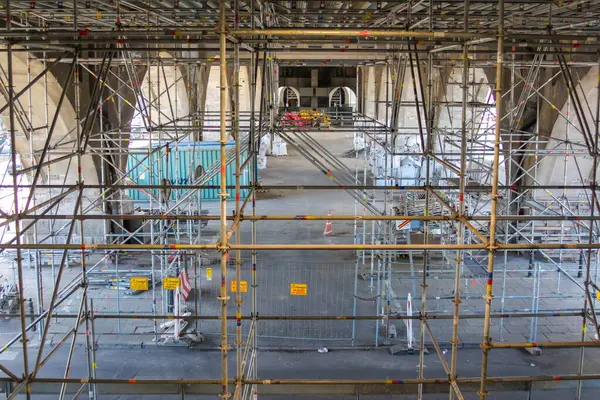
Designed scaffolding structures are the backbone of many temporary works construction projects.
Temporary works construction plays a vital role in ensuring the safety, stability, and efficiency of construction projects. These works include structures or supports that assist permanent works during construction, such as scaffolding, formwork, shoring, and props. Although temporary, they are critical to the success of a project and must be carefully planned and executed.
In this article, we will explore 7 key aspects of temporary works construction that every project manager, engineer, or contractor should understand. Following these principles ensures that projects run smoothly, safely, and without unexpected delays.
1. Planning and Design of Temporary Works Construction
Proper planning and design are the first steps in any temporary works construction project. A detailed plan ensures that all temporary structures are safe and capable of supporting the loads they encounter. Key points include:
-
Understanding load requirements and environmental conditions
-
Choosing the right materials and components
-
Coordinating with the permanent works team to prevent conflicts
For larger projects, it is often recommended to consult specialists who focus on temporary structures to create safe and compliant designs. Thorough planning reduces risks of failure and keeps the project timeline on track.
2. Risk Assessment and Safety Measures
Safety is paramount in temporary works construction. Risk assessment should cover all possible hazards, including structural failures, worker injuries, and environmental impacts. Steps include:
-
Conducting site-specific safety assessments
-
Ensuring workers are trained in handling temporary structures
-
Using protective equipment and barriers
Many construction teams refer to safety guidelines provided by expert engineering firms to ensure compliance and minimize hazards. This ensures the temporary works do not compromise worker safety or project stability.
3. Material Selection and Quality Control
The materials used in temporary works must be durable, reliable, and fit for purpose. Temporary structures often experience high loads or extreme conditions, so quality control is essential. Considerations include:
-
Using certified and tested scaffolding, formwork, and shoring materials
-
Inspecting materials before and during construction
-
Replacing worn or damaged components promptly
High-quality materials minimize accidents, project delays, and extra costs, making them a crucial part of safe construction.
4. Load Management in Temporary Works Construction
Proper load management is crucial for stability. Temporary works must support both static loads (permanent structure weight) and dynamic loads (equipment, workers, wind, etc.). Key practices include:
-
Calculating the maximum expected load and adding a safety margin
-
Distributing loads evenly to avoid stress points
-
Monitoring loads during construction for any unexpected shifts
Failure to manage loads can lead to structural failures and costly delays. Even temporary supports need careful attention to avoid accidents.
5. Installation and Assembly Best Practices
The installation phase in temporary works construction is where planning and materials meet real-world application. To ensure efficiency and safety:
-
Follow the design specifications strictly
-
Use experienced personnel for assembly
-
Inspect the structure at every stage of installation
Documenting each step helps with quality control and future planning, making it easier to learn from completed projects.
6. Maintenance and Regular Inspections
Even though temporary, these structures require ongoing maintenance and inspections. Inspections should focus on:
-
Stability and alignment of temporary supports
-
Signs of wear, corrosion, or damage
-
Adjustments based on changing loads or site conditions
Regular inspections prevent accidents and maintain project timelines. Ignoring temporary works maintenance can become a major hazard.
7. Integration with Permanent Works
Finally, temporary works construction must integrate seamlessly with the permanent works process. Coordination ensures that temporary supports aid construction without interfering with the final structure. Best practices include:
-
Communicating plans between teams
-
Scheduling temporary works removal at the appropriate stage
-
Considering interactions with other site services
For instance, when installing equipment like solar panels, temporary works must allow for access and installation without compromising safety or efficiency. This ensures the project progresses smoothly while accommodating all tasks on site.
Conclusion
Temporary works construction is more than just supporting structures; it is a critical component of every construction project. By focusing on planning, safety, material quality, load management, proper installation, regular inspections, and integration with permanent works, projects can achieve higher efficiency and reduce risks.
Every construction professional should treat temporary works with the same importance as permanent structures. Implementing these 7 key aspects ensures projects are completed safely, on time, and within budget.