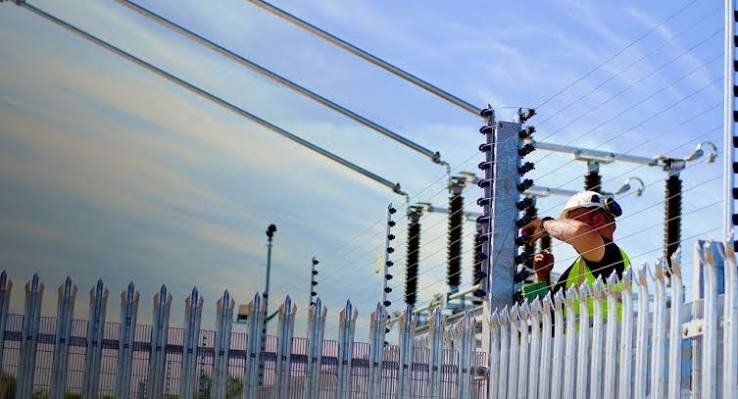
electrical engineering consultant
Electrical systems play a central role in the safety, reliability, and performance of modern buildings. From power distribution and lighting to protection systems and energy management, every part needs careful planning.
Hiring an electrical engineering consultant gives your project access to specialist knowledge from the early design stage. We can help plan electrical systems, manage technical risks, support compliance, and improve long-term performance.
1. An Electrical Engineering Consultant Improves Project Planning
Good electrical planning starts before construction begins. We first assess the building, its purpose, expected electrical loads, and future requirements.
This information helps us create a suitable electrical strategy. It also allows the wider project team to understand electrical needs before installation work starts.
Early planning can prevent costly changes during construction. It can also help coordinate electrical requirements with architectural and mechanical designs.
For example, the location of distribution boards, transformers, generators, and other equipment needs suitable space. Cable routes also need to work with the building structure and other services.
Therefore, early engineering input can create a stronger foundation for the entire project.
2. Better Electrical System Design
A well-designed electrical system should provide safe and reliable power throughout the building. It should also match the actual needs of the users.
We develop electrical designs based on project requirements rather than generic layouts. Our approach can include power distribution, lighting, cable sizing, protection, earthing, and other electrical systems.
We also consider how the system will operate after completion. Equipment should be accessible for maintenance, while distribution arrangements should support practical operation.
A detailed design can therefore improve both installation quality and long-term usability.
3. Accurate Electrical Load Calculations
Electrical load calculations help determine how much power a building needs.
Incorrect estimates can create serious problems. An undersized system may struggle to support demand. An oversized system can increase capital costs without providing useful value.
An electrical engineering consultant can assess expected loads and develop calculations for the proposed installation.
We consider equipment requirements, operating conditions, diversity, and possible future demand.
These calculations can influence decisions about transformers, switchgear, distribution boards, cables, generators, and other equipment.
Accurate load assessment therefore supports better technical and financial decisions.
4. Stronger Electrical Safety
Safety should remain a key consideration throughout electrical design.
Electrical faults can affect people, equipment, and building operations. Good engineering can help reduce these risks through appropriate protection and system design.
We can assess requirements for overcurrent protection, short-circuit protection, earth fault protection, isolation, earthing, bonding, and surge protection.
Protective devices must also work together in a suitable way. Poor coordination can cause unnecessary disruption when faults occur.
By addressing protection during design, we can help create a safer and more controlled electrical installation.
5. Support for UK Electrical Compliance
Electrical projects need to meet the requirements that apply to their type, location, and intended use.
In the UK, BS 7671 is a key reference for electrical installation requirements. Other regulations and standards may also apply depending on the project.
We consider relevant requirements during the design process. This helps ensure that compliance forms part of the project rather than becoming a final-stage concern.
A compliance-focused design can also reduce the risk of redesign and remedial work.
However, requirements vary between projects. Professional assessment remains important when establishing the standards that apply.
6. Better Coordination With Other Project Teams
Electrical work rarely happens in isolation.
Electrical systems must often coordinate with mechanical services, structural elements, architectural features, fire systems, and specialist equipment.
For example, cable routes may need to share limited ceiling or plant space. Lighting positions may need to align with architectural layouts.
An electrical engineering consultant can work with other project disciplines to identify these conflicts early.
We can review layouts, equipment locations, service routes, and technical requirements before construction.
This approach can reduce site clashes and make installation more efficient.
7. Improved Energy Efficiency
Energy costs can have a major effect on building operating expenses. Therefore, electrical design should consider energy performance from the beginning.
We can assess opportunities to reduce unnecessary energy consumption while maintaining system performance.
Depending on the project, this may involve efficient lighting, lighting controls, energy monitoring, and suitable equipment selection.
We can also consider how electrical systems will operate throughout the day. A system that uses energy only when required can reduce unnecessary consumption.
Energy efficiency should also support practical building operation. The best solution should balance efficiency, reliability, safety, and cost.
8. Better Control of Project Costs
Electrical engineering decisions can influence both construction costs and long-term operating expenses.
A low-cost component may appear attractive during procurement. However, it may not offer the capacity, reliability, efficiency, or service life required by the project.
We assess technical options with the wider project objectives in mind.
The following areas can affect the overall electrical project cost:
| Area | Cost consideration |
| Electrical design | Reduces avoidable design changes |
| Equipment selection | Balances price and performance |
| Cable sizing | Avoids unsuitable or excessive capacity |
| Power distribution | Supports efficient system planning |
| Energy efficiency | Can reduce operating costs |
| Maintenance access | Supports easier future servicing |
| Future capacity | Helps avoid premature upgrades |
A well-planned design can therefore support better cost control throughout the project.
9. Support for Refurbishment and Existing Buildings
New construction is not the only area where electrical consultancy adds value.
Existing buildings often need electrical upgrades as their requirements change. New equipment, building extensions, changes of use, or increased occupancy can place greater demands on existing systems.
Before an upgrade, we can assess the existing electrical infrastructure.
This may include reviewing available drawings, examining distribution equipment, assessing electrical capacity, and identifying areas that may require improvement.
We can then develop an upgrade strategy based on the building’s actual condition.
This approach can help clients decide which systems require replacement and which may remain suitable.
10. Planning for Future Electrical Requirements
Buildings continue to change after construction ends.
Businesses may add equipment, expand operations, install new technology, or change how spaces are used. These changes can increase electrical demand.
We consider reasonable future requirements during the design process.
Future planning may include suitable spare capacity, additional circuits, flexible distribution arrangements, or infrastructure for planned technologies.
However, future-proofing does not mean installing unnecessary equipment.
Instead, we assess where additional capacity can provide practical value. This can help avoid expensive upgrades when foreseeable changes occur.
What Services Can an Electrical Engineering Consultant Provide?
The exact scope varies by project. However, electrical consultancy can cover many technical areas.
Common services include:
Electrical Design
We can develop electrical layouts and designs for power, lighting, distribution, and other systems.
Power Distribution
We assess how electrical power should move from the incoming supply to final circuits and equipment.
Electrical Load Assessment
We calculate expected demand and use the results to support equipment and infrastructure selection.
Protection Studies
We assess fault conditions and protective device requirements to support safe system operation.
Electrical Surveys
For existing properties, surveys can help establish the condition and capacity of electrical installations.
Technical Documentation
Clear drawings, specifications, schedules, and calculations provide useful information for project teams.
Testing and Commissioning Support
We can help establish technical requirements and review information produced during testing and commissioning.
When Should You Hire an Electrical Engineering Consultant?
The ideal time to involve an electrical engineering consultant is during the early planning stage.
Early involvement gives us more opportunity to influence important design decisions. It also allows electrical requirements to be coordinated with other disciplines.
However, consultancy remains useful at later stages.
For refurbishment projects, an electrical survey may provide a suitable starting point. During construction, technical support can help address design queries and proposed changes.
For completed buildings, an electrical assessment can help identify improvement opportunities.
The right stage depends on the project’s goals and current condition.
What Should You Look for in an Electrical Engineering Consultant?
Choosing the right consultant requires more than comparing fees.
Consider their experience with projects similar to yours. Review the services they provide and assess their approach to design and documentation.
Communication is also important. Your consultant may need to work with several teams throughout the project.
Look for a consultant that can explain technical issues in clear language. They should also provide practical recommendations that match your project’s requirements.
Relevant UK standards and regulations should form part of their design approach.
Finally, consider whether they can support the project beyond the initial design stage. Continued technical support can be valuable when construction conditions change.
How Almens Consult Can Help
At Almens Consult, we provide professional electrical engineering support for commercial, industrial, and building projects.
We help clients plan electrical systems around their actual requirements. Our work can include electrical design, power distribution, load assessment, electrical system reviews, technical documentation, and project support.
We also consider safety, compliance, energy performance, and future requirements during the design process.
Our approach focuses on practical engineering solutions that can support reliable building operation. By becoming involved early, we can help identify electrical challenges before they become costly construction issues.
Whether you are planning a new development, refurbishing an existing property, or upgrading electrical infrastructure, Almens Consult can provide technical support throughout the project.
Conclusion
There are many reasons to hire an electrical engineering consultant, from better planning and safer system design to stronger compliance and improved cost control.
Professional engineering input can help identify electrical requirements before construction begins. It can also improve coordination between different project teams.
Moreover, careful design can support energy efficiency, future expansion, easier maintenance, and reliable operation.
For these reasons, electrical consultancy should be viewed as an important part of project planning rather than an additional service added at the end.