High security doors
There is a particular kind of unease that comes with hearing about a break in somewhere nearby. Most people respond by checking their own front door a little more carefully for the next week or two. then slowly forgetting about it until the next story comes along. The truth is that the door standing between your home or business and the outside world is doing far more work than most people ever give it credit for. and not every door is actually built to handle that responsibility.
High security doors exist specifically to close the gaps that ordinary doors leave wide open. and understanding exactly how they manage that gives a much clearer picture of why so many people are upgrading rather than waiting for something bad to happen first.
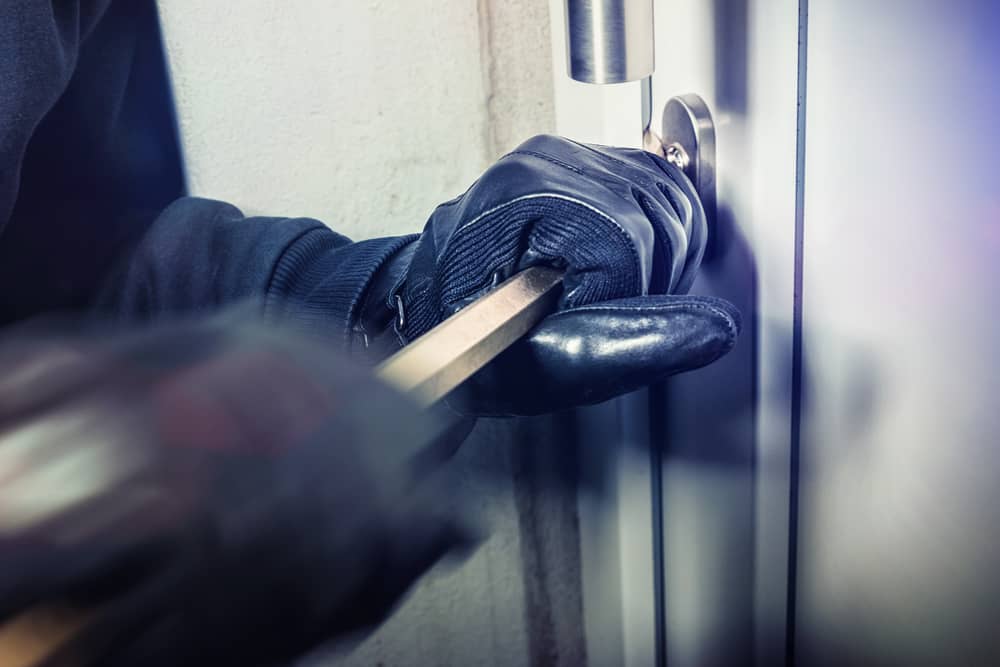
Break ins rarely happen the way movies make them look. There is no dramatic lock picking scene that takes five minutes of careful work. Most intrusions happen fast. often within a minute or two. using nothing more sophisticated than a foot. a crowbar. or a screwdriver jammed into the right spot. A door that cannot resist that kind of basic force becomes an open invitation rather than a barrier. and that is exactly the gap that proper security doors are designed to close.
What Makes a Door Qualify as High Security in the First Place?
Not every door marketed as secure actually deserves that label. Genuine high security doors go through formal testing against specific attack methods before they earn any kind of certification. This testing typically includes sustained kicking. prying with tools. drilling near the lock. and sometimes even attempts to remove the hinges entirely. A door that passes these tests has proven it can resist real world break in attempts rather than just looking sturdy on a showroom floor.
The frame gets tested right alongside the door itself. since a strong door fitted into a weak frame still leaves an obvious weak point. Certification standards usually look at the whole system together. the door slab. the frame. the hinges. and the locking mechanism. rather than judging any single component in isolation. This combined approach is part of why genuinely secure doors cost more than standard options. the extra cost reflects real engineering rather than just marketing language slapped onto an ordinary product.
How Does Door Construction Resist Physical Force?
The core material inside a security door plays a huge role in how well it holds up under pressure. Solid steel cores or multi layered composite construction give these doors a density that ordinary hollow core or thin panel doors simply cannot match. When someone applies force through kicking or body weight. that density absorbs and disperses the impact rather than allowing it to concentrate in one weak spot.
Reinforcement around the edges matters just as much as the core material. Many security doors include steel plates or reinforced strips running along the areas most likely to be attacked. particularly near the lock and hinge sides. This targeted reinforcement means that even a determined attempt using a crowbar or similar tool struggles to find any leverage point. Standard doors often fail precisely because they offer easy leverage near the handle or hinges. and removing that leverage is one of the most effective ways security doors stop an intrusion before it even gets started.
Why Do Multi Point Locking Systems Matter So Much?
A single lock near the handle creates a single point of failure. Pick that lock. force it. or simply break the area around it. and the whole door swings open regardless of how strong the material itself might be. Multi point locking systems solve this problem by securing the door at several points along its height rather than relying on one mechanism to do all the work.
This means that even if someone manages to compromise one locking point. the door usually remains secured by the others. Forcing entry through a multi point system typically requires defeating three or more separate mechanisms simultaneously. which takes far more time. noise. and effort than most opportunistic intruders are willing to invest. Time is genuinely the enemy of a break in attempt. and multi point locks are specifically designed to stretch that time well past what most intruders can tolerate before giving up or getting caught.
How Do Hinges Factor Into Overall Door Security?
Hinges often get overlooked when people think about security. yet they represent a real vulnerability if left unaddressed. Standard hinges can sometimes be removed from the outside if the pins are accessible. which gives an attacker an alternative route into the building that completely bypasses the lock altogether.
High security doors typically use hinge designs that prevent this kind of removal. either through non removable pins or hinge bolts that engage automatically when the door closes. These features mean that even if someone focuses their attention on the hinge side rather than the lock side. they still run into a wall of resistance. Closing off every possible entry method rather than just the obvious one is what separates a genuinely secure door from one that only looks tough at first glance.
Can High Security Doors Actually Deter Intruders Before an Attempt Begins?
Physical resistance is only part of the story. Visual deterrence plays a real role too. Intruders looking for an easy target tend to assess a property quickly before deciding whether to proceed. A heavy. well built door with visible reinforcement and quality hardware sends an immediate signal that this particular property will not be a quick or quiet job.
This psychological factor should not be underestimated. Most break in attempts are opportunistic rather than carefully planned. and an intruder facing a door that clearly looks difficult to breach will often move on to look for an easier target elsewhere rather than risk getting caught while struggling with something built to resist exactly that kind of attempt. The presence of high security doors alone can shift the calculation enough to prevent an attempt from happening in the first place.
Do High Security Doors Offer Any Benefits Beyond Break-In Prevention?
Security is the headline feature. but it is rarely the only benefit. Many high security doors also carry fire ratings. since the dense materials used for resistance against forced entry often happen to slow the spread of flames and smoke as well. This dual function means a single installation addresses two very different risks without requiring separate solutions for each one.
Sound insulation tends to improve noticeably too. The same density and construction that resists physical force also blocks outside noise far more effectively than a standard door. For businesses and homes located on busy streets or near noisy neighbors. this side benefit often becomes just as appreciated as the security improvement itself. even though it was never the primary reason for the upgrade.
What Should Someone Look for When Choosing a Security Door?
Certification matters more than marketing claims when it comes to choosing the right door. Looking for recognized testing standards gives a much clearer picture of actual performance than vague phrases like heavy duty or reinforced printed on a sales page without any backing evidence. Genuine high security doors will usually list the specific standards they have been tested against.
Installation quality deserves just as much attention as the product itself. Even a properly certified door underperforms badly if the frame is not reinforced correctly or the locking mechanism is not aligned properly during fitting. Working with installers who understand the full system. not just the door slab itself. ensures the finished result actually delivers the protection it was designed to provide rather than falling short due to a rushed or careless installation.

Final Thoughts
Break ins exploit weaknesses. and a standard door often hands intruders exactly the weakness they need without anyone realizing it until it is too late. High security doors close those gaps through dense construction. reinforced frames. multi point locking. and hinge protection that work together rather than relying on any single feature to do all the work. The result is a barrier that resists physical force. discourages attempts before they even start. and often delivers fire protection and noise reduction as a welcome bonus. Investing in this kind of door remains one of the most effective steps anyone can take toward genuinely securing their property.
FAQS
Are high security doors only necessary for businesses rather than homes?
No. homes can be just as vulnerable as businesses. and many homeowners choose high security doors specifically because residential break ins remain common in many areas.
How much more do high security doors typically cost compared to standard doors?
Costs vary depending on materials and certification level. but high security doors generally cost noticeably more upfront due to the engineering and testing involved in their construction.
Can existing door frames be reinforced without replacing the entire door?
In some cases yes. though full system replacement usually provides better overall protection than reinforcing only part of an existing setup.
Do high security doors require any special maintenance?
Maintenance needs are generally low. though periodic checks of the locking mechanism and hinges help ensure everything continues functioning as intended over time.
Will a high security door void my home insurance discount if installed incorrectly?
Improper installation can reduce the effectiveness of the door and potentially affect insurance benefits. which is why professional installation is so strongly recommended.
Visit nicearticles for more informative blogs.