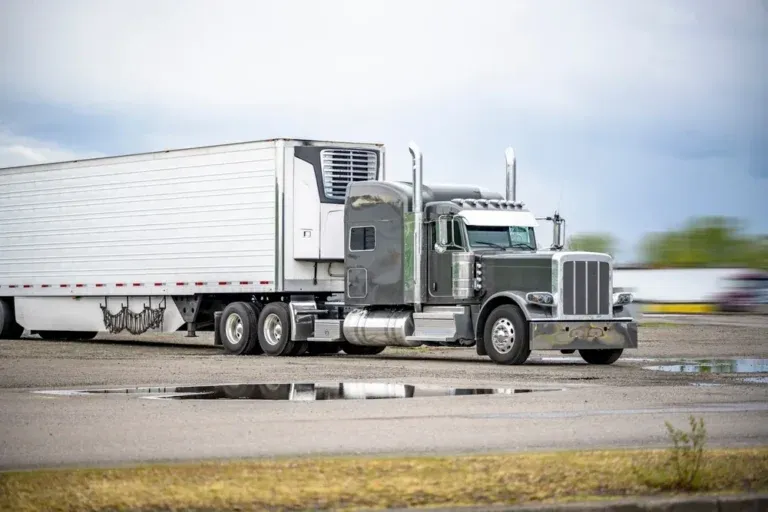
Every day, thousands of products move across the United States through a transportation method that many businesses rely on but few consumers notice. From packaged foods and retail inventory to industrial supplies and household goods, dry van transportation services play a central role in keeping supply chains moving efficiently.
For shippers and carriers alike, understanding how dry van freight works can help reduce delays, improve planning, and create more predictable transportation outcomes. As one of the most widely used freight solutions in North America, dry van trucking remains a practical option for businesses transporting non-perishable and weather-sensitive goods.
Understanding Dry Van Trucking and Why It Matters
Dry van dispatch service refers to freight transportation using enclosed trailers designed to protect cargo from weather, road debris, and external damage. Unlike refrigerated trailers or flatbeds, dry vans provide a fully enclosed environment without temperature control.
A standard dry van trailer typically measures 53 feet in length and is used to transport palletized freight, packaged consumer goods, electronics, furniture, clothing, and many other products.
The popularity of dry van transportation stems from its flexibility. Because most general freight does not require refrigeration or specialized handling, dry vans offer a practical solution for moving goods between manufacturers, warehouses, distribution centers, and retailers.
In the United States, dry van freight accounts for a significant portion of truckload shipments, making it one of the most important segments of the trucking industry.
How Dry Van Loads Move Through the Supply Chain
A dry van load usually begins with a shipper seeking transportation for goods that require protection but not temperature-controlled conditions. Once the shipment is ready, carriers or dispatch professionals coordinate pickup, route planning, and delivery schedules.
For example, a consumer products manufacturer in Ohio may need to transport packaged goods to multiple distribution centers across Texas and Florida. The shipment is loaded onto a dry van trailer, secured to prevent movement during transit, and delivered according to scheduled appointments.
The efficiency of this process depends on several factors:
- Accurate shipment planning
- Proper trailer utilization
- Reliable scheduling
- Driver availability
- Communication between all parties
When these elements work together, freight moves smoothly and transit disruptions are minimized.
Dry Van Transportation Services and Their Role in Freight Efficiency
Businesses often choose dry van transportation services because they provide a balance of accessibility, affordability, and cargo protection.
Unlike specialized freight solutions that may require additional equipment or certifications, dry vans are widely available throughout the country. This availability helps support both regional and long-haul shipping operations.
Some common freight categories transported through dry vans include:
- Consumer packaged goods
- Household products
- Retail inventory
- Building materials
- Automotive parts
- Paper products
- Non-perishable food items
- Manufacturing supplies
Because dry van trailers are enclosed, cargo remains protected from rain, snow, dust, and direct sunlight throughout transit.
For businesses managing inventory across multiple states, this consistency can help reduce product damage and improve delivery reliability.
The Growing Importance of Dry Van Freight Loads
As e-commerce, retail distribution, and manufacturing continue to evolve, demand for dry van freight loads remains strong across the United States.
Freight markets often fluctuate based on consumer demand, seasonal patterns, and economic conditions. During peak retail seasons, for instance, the volume of dry van loads may increase significantly as businesses replenish inventory and prepare for higher sales activity.
Carriers frequently monitor freight availability through load boards and transportation networks to identify opportunities that match their routes and equipment.
Finding profitable and efficient dry van freight loads requires more than simply accepting available shipments. Factors such as mileage, deadhead distance, delivery schedules, and market conditions all influence transportation decisions.
Experienced transportation professionals evaluate these variables carefully to improve operational efficiency while maintaining service reliability.
Why Dispatching Plays a Critical Role in Dry Van Operations
Behind every successful freight movement is a significant amount of coordination. This is where dry van dispatch service providers contribute value to carriers and owner-operators.
Dispatching involves more than locating freight. A dispatcher typically assists with:
- Load planning
- Route coordination
- Broker communication
- Appointment scheduling
- Documentation management
- Freight negotiation
- Operational support
For independent carriers, managing these responsibilities while driving can become challenging. A dedicated dry van dispatch professional helps streamline communication and administrative tasks, allowing drivers to focus on transportation operations.
Consider a small carrier operating three trucks across multiple states. Without organized dispatch support, coordinating pickups, deliveries, paperwork, and schedule changes can become time-consuming. Effective dispatching helps reduce inefficiencies and improves visibility throughout the transportation process.
Many industry professionals view dry van dispatch as a practical extension of fleet management, particularly for owner-operators seeking greater operational organization.
What Businesses Should Know About Dry Van Load Dispatching
The process of dry van load dispatching has evolved considerably in recent years. Modern dispatch teams often rely on transportation management systems, real-time tracking tools, and freight market data to support decision-making.
Successful dispatching requires an understanding of both carrier operations and shipper expectations.
For example, a dispatcher may identify a backhaul opportunity that allows a truck delivering freight to Georgia to secure another shipment heading toward Tennessee. This reduces empty miles and improves equipment utilization.
Effective dispatching can also help carriers respond more quickly to changing market conditions. During periods of high freight demand, dispatch professionals may assist in identifying opportunities that align with a carrier’s preferred lanes and operating goals.
Companies such as EverMark Dispatchers operate within this segment of the logistics industry, supporting carriers with transportation coordination and freight management activities.
While dispatching does not directly move freight, it serves as an important operational function that helps keep trucks loaded, routes organized, and deliveries on schedule.
Key Challenges Facing the Dry Van Freight Industry
Despite its widespread use, the dry van sector faces several ongoing challenges.
Driver shortages continue to affect transportation capacity in many regions. Additionally, fuel costs, regulatory requirements, traffic congestion, and fluctuating freight demand can impact operations.
Shippers also face increasing pressure to improve delivery performance while managing transportation expenses.
To address these challenges, many logistics professionals focus on:
- Better route planning
- Improved shipment visibility
- Data-driven decision making
- Stronger carrier partnerships
- Efficient dispatch coordination
Technology continues to support these efforts by providing real-time tracking, predictive analytics, and improved communication between stakeholders.
As supply chains become more complex, operational efficiency remains a priority for both shippers and transportation providers.
Conclusion
Dry van dispatching Company remains one of the most dependable freight solutions in the United States, supporting the movement of everyday goods across regional and national supply chains. From managing dry van loads and securing dry van freight loads to coordinating dry van dispatch service operations, every part of the process contributes to efficient freight transportation. As logistics networks continue evolving, businesses that understand the role of dry van transportation services are better positioned to navigate changing market conditions while maintaining reliable and consistent freight movement.