Stucco is one of the most popular exterior finishes because it is durable, attractive, and built to withstand changing weather. When it is properly installed and maintained, stucco can protect a home for many years. However, like any exterior material, it can develop problems over time.
Damage does not always happen overnight. In many cases, stucco gives several warning signs before the damage becomes serious. Learning how to recognize these signs can help you fix small issues early, prevent costly repairs, and keep your home protected.
This guide explains the most common signs of damaged stucco, what causes these problems, and why timely repairs are important.
Why It Is Important to Recognize Stucco Damage Early
Stucco acts as a protective barrier for your home. It helps keep moisture out while standing up to heat, rain, wind, and changing temperatures.
When damage is left untreated, water can enter behind the stucco and affect the materials underneath. Over time, this may lead to mold, wood rot, insulation damage, and expensive structural repairs.
Finding problems early helps you:
- Prevent water intrusion
- Avoid costly repairs
- Protect your home’s structure
- Improve curb appeal
- Extend the life of your stucco
Even small problems deserve attention before they become larger.
Cracks in the Stucco Surface
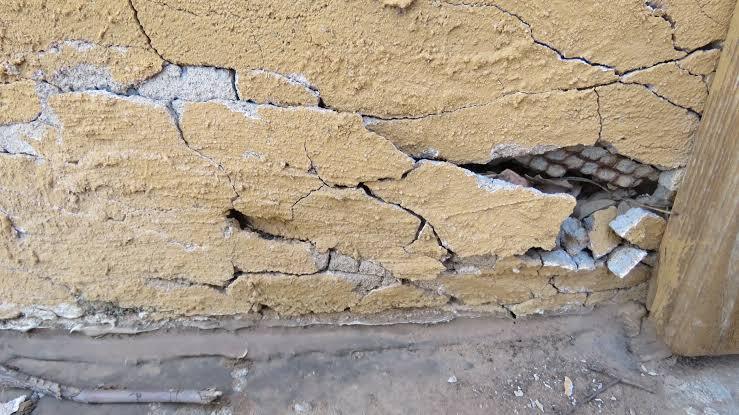
Cracks are one of the most common signs that stucco needs attention.
Small hairline cracks may appear as the home naturally settles. These are often minor but should still be monitored and repaired to prevent moisture from entering.
Larger cracks usually require immediate attention.
Look for:
- Wide cracks
- Horizontal cracks
- Stair-step cracks
- Deep cracks around windows
- Cracks that continue growing
Water can easily enter through these openings and create hidden damage behind the wall.
Water Stains and Discoloration
Healthy stucco usually has a consistent color.
Dark stains, yellow patches, or areas that remain damp after rain often indicate moisture problems.
These stains may be caused by:
- Roof leaks
- Damaged flashing
- Leaking gutters
- Poor drainage
- Plumbing issues
Ignoring water stains can allow moisture damage to spread inside the wall.
Bulging or Uneven Areas
Stucco should sit flat against the wall.
If sections begin bulging or appear uneven, it often means moisture has weakened the materials underneath.
Bulging stucco may indicate:
- Trapped moisture
- Delamination
- Damaged wall sheathing
- Rotting framing
These problems usually require professional repair.
Soft or Spongy Spots
Stucco should always feel firm.
If you gently press the surface and notice movement or softness, moisture may have damaged the materials below.
Soft areas often suggest:
- Wood rot
- Water damage
- Loose stucco
- Mold growth
This type of damage should never be ignored.
Chipping and Flaking Stucco
Stucco naturally experiences wear over time.
When pieces begin breaking away from the wall, repairs should be scheduled before the damage spreads.
Common causes include:
- Weather exposure
- Aging
- Moisture intrusion
- Poor installation
- Physical impact
Replacing damaged sections early can prevent larger restoration projects.
White Powder on the Surface
A white powdery material called efflorescence sometimes appears on stucco.
This happens when water carries minerals through the wall and leaves deposits on the surface.
Although the powder itself is harmless, it usually signals that moisture is moving through the stucco.
Repeated efflorescence should always be investigated.
Mold and Mildew Growth
Mold and mildew often develop where moisture remains for long periods.
Watch for:
- Black spots
- Green stains
- Dark streaks
- Musty odors
These signs often appear around windows, near foundations, or beneath rooflines.
Removing the surface stains without fixing the moisture problem will not provide a lasting solution.
Peeling or Bubbling Paint
Many stucco homes are painted for additional protection and appearance.
If the paint begins peeling, bubbling, or flaking, moisture may be trapped underneath.
Instead of simply repainting, the source of the moisture should be identified and repaired.
Gaps Around Windows and Doors
Windows and doors are common entry points for water.
Inspect these areas for:
- Cracked caulking
- Open gaps
- Damaged sealant
- Cracks extending from corners
Proper sealing helps prevent water from reaching the wall behind the stucco.
Hollow Sounds When Tapping the Wall
A simple inspection can reveal hidden problems.
Tap lightly on different sections of the stucco.
Healthy stucco usually sounds solid.
A hollow sound may indicate the stucco has separated from the wall beneath it.
Professional repairs can prevent loose sections from becoming larger.
Interior Warning Signs
Sometimes damaged stucco causes problems inside the home before major exterior damage becomes visible.
Watch for:
- Water stains on interior walls
- Damp drywall
- Peeling paint
- Mold growth
- Musty smells
These signs may suggest moisture is entering through damaged exterior walls.
Damage Near Rooflines
Roof edges and gutters are common locations for stucco problems.
Inspect these areas regularly for:
- Cracks
- Water stains
- Loose stucco
- Missing flashing
Keeping gutters clean and directing water away from the home reduces the chance of moisture damage.
Foundation Movement
As a home settles, slight movement in the foundation can place stress on stucco walls.
If you notice foundation cracks along with new stucco cracks, both should be inspected.
Professional evaluation can determine whether repairs are cosmetic or structural.
Weather Damage
Changing weather affects stucco throughout the year.
Heavy rain, freezing temperatures, strong sunlight, and humidity all contribute to gradual wear.
Regular inspections after severe weather help identify damage before it becomes worse.
Why Moisture Is the Biggest Concern
Moisture is responsible for many serious stucco problems.
Once water gets behind the surface, it may damage:
- Wood framing
- Insulation
- Drywall
- Structural supports
Because much of this damage remains hidden, early detection is important.
Can You Repair Stucco Yourself?
Very small cosmetic cracks may be repaired using products designed for stucco.
However, larger cracks, bulging walls, moisture damage, or loose stucco should be handled by experienced professionals.
Repairing only the visible damage without addressing the cause may allow problems to continue behind the wall. https://alstonstucco.us/stucco-repair-philadelphia/
Tips to Keep Stucco in Good Condition
Simple maintenance can help extend the life of your stucco.
Helpful tips include:
- Inspect your home’s exterior twice a year.
- Repair cracks as soon as they appear.
- Keep gutters clean.
- Direct water away from the foundation.
- Replace damaged caulking.
- Trim shrubs away from exterior walls.
- Wash dirt and mildew using gentle cleaning methods.
Routine maintenance helps prevent costly repairs.
When Should You Schedule a Stucco Inspection?
It is a good idea to contact a professional if you notice:
- Growing cracks
- Water stains
- Bulging areas
- Loose stucco
- Soft spots
- Mold growth
- Interior moisture damage
- Peeling paint
A professional inspection can identify hidden moisture problems before they become serious.
Final Thoughts
Stucco is designed to protect your home for many years, but it should never be ignored when warning signs appear. Cracks, discoloration, soft spots, bulging walls, peeling paint, and mold are all signs that your stucco may need repair. Taking action early helps prevent moisture damage, protects your home’s structure, and reduces future repair costs.
Regular inspections and proper maintenance will keep your stucco looking its best while extending its lifespan.
Trusted Stucco Repair Services
If you notice signs of damaged stucco, stucco repair philadelphia can help identify the problem before it becomes more serious. Their experienced team performs careful inspections and provides reliable repair solutions that restore both the appearance and protection of your home’s exterior.
Whether your property needs a small repair or more extensive remediation, Alston Stucco & Remediation is committed to quality workmanship and long-lasting results.https://alstonstucco.us/
Addressing stucco damage early is one of the best ways to protect your investment and maintain the value of your home.