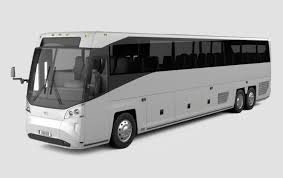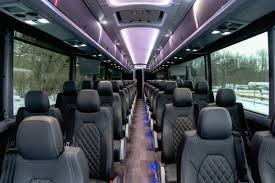
Bus Rental Toronto
Planning transportation for an event in Toronto requires careful organization, attention to detail, and a clear understanding of the needs of every attendee. Whether we are arranging transportation for a corporate conference, wedding, music festival, school trip, sporting event, or private celebration, providing reliable group transportation can significantly improve the overall experience. Toronto is a busy metropolitan city with numerous event venues, commercial districts, entertainment centers, and popular attractions. Coordinating travel for a large group in such an environment can become challenging without a well-structured transportation plan.
One of the most practical solutions for event transportation is arranging professional group transportation. With Bus Rental Toronto services, event organizers can coordinate passenger pickups, manage travel schedules, and transport attendees to their destinations in a comfortable and organized manner. Rather than relying on individual vehicles, taxis, or rideshare services, groups can travel together according to a planned itinerary.
Successful event transportation involves much more than selecting a vehicle. We need to understand passenger requirements, determine the appropriate bus capacity, evaluate pickup locations, establish departure times, and consider traffic conditions. By addressing these factors in advance, we can create a transportation arrangement that supports the event’s objectives while minimizing unnecessary complications.
In this detailed guide, we explore the essential steps involved in planning transportation for Toronto events, including vehicle selection, scheduling, budgeting, passenger coordination, and practical strategies for organizing a smooth group journey.
Understanding the Importance of Event Transportation Planning
Transportation is an essential component of event management. When attendees cannot reach a venue conveniently, the event experience may be affected before the activities even begin. Late arrivals, parking difficulties, traffic congestion, and confusing pickup arrangements can create frustration for participants and additional responsibilities for organizers.
A well-planned transportation strategy helps address these challenges. By arranging transportation in advance, we can establish a clear schedule and provide attendees with reliable travel information.
For example, a corporate conference involving employees from several office locations may require transportation to a downtown Toronto venue. Without coordinated arrangements, employees could arrive at different times, making it difficult to begin the conference according to schedule. A charter bus can help bring the group together and support a more organized arrival.
Similarly, a wedding involving guests staying at different hotels may benefit from scheduled shuttle transportation. Guests can travel to the ceremony and reception without needing to navigate unfamiliar streets or search for parking.
Effective event transportation planning allows us to focus on the event itself rather than spending valuable time resolving travel-related issues.
Why Bus Rental Toronto Services Are Ideal for Event Transportation
Organizing transportation for a large group can involve several logistical challenges. Professional bus rental services offer a convenient way to manage these responsibilities through a coordinated transportation arrangement.
Bus Rental Toronto services can accommodate different event types, passenger numbers, and travel requirements. Depending on the transportation provider, businesses and event organizers may have access to minibuses, shuttle buses, charter buses, and other group transportation options.
Keeping Attendees Together
One of the primary advantages of group transportation is the ability to keep attendees together throughout the journey.
When participants travel separately, organizers may need to manage different arrival times and coordinate multiple vehicles. Group transportation simplifies this process by establishing a shared departure schedule.
Traveling together can also create a more enjoyable experience for attendees. Friends, colleagues, family members, and event participants can interact during the journey rather than traveling independently.
Improving Scheduling and Coordination
Events frequently operate according to specific timelines. Conferences may have opening presentations, weddings may have ceremony schedules, and sporting events may involve fixed start times.
Organized transportation helps establish a consistent travel plan.
We can determine pickup times, calculate estimated journey durations, and communicate the schedule to participants before the event.
Although traffic conditions can influence travel times, a planned transportation arrangement makes it easier to account for potential delays.
Reducing Parking Challenges
Toronto’s busy commercial and entertainment districts can present parking challenges, particularly during large events.
When attendees drive separately, they may need to find parking spaces, pay parking fees, and walk considerable distances to reach the venue.
Group transportation can reduce the number of individual vehicles arriving at the destination.
Event organizers should still confirm that the venue has appropriate bus loading and unloading areas, as well as any applicable parking or access restrictions.
Supporting Passenger Comfort
Comfort is an important consideration when planning event transportation.
Depending on the selected vehicle, passengers may benefit from comfortable seating, climate control, luggage storage, and other amenities.
These features can be particularly valuable when attendees are traveling over longer distances or spending several hours participating in an event.
Step 1: Identify the Transportation Requirements of Your Event
Before booking a vehicle, we should establish the event’s transportation requirements.
Every event has different needs. A small business meeting may require transportation for a limited number of passengers, while a large conference could involve several hundred attendees.
Understanding these requirements helps us select a suitable transportation arrangement.
Determine the Number of Passengers
The passenger count is one of the most important factors when choosing a bus.
We should identify the number of attendees who require transportation and determine whether additional passengers may join later.
For example:
- A small corporate meeting may require a minibus.
- A medium-sized group outing may need a shuttle bus.
- A large conference or company event may require one or more charter buses.
Choosing the appropriate capacity helps ensure that passengers have sufficient seating while avoiding unnecessary rental expenses.
Identify the Event Type
The nature of the event influences the transportation schedule and vehicle requirements.
A wedding may require multiple trips between hotels and the reception venue. A corporate conference may need transportation from an office building to an event center. A school trip may require a planned journey with designated stops.
We should identify the event’s purpose before deciding on the transportation arrangement.
Establish the Travel Distance
The distance between pickup locations and the event venue influences travel time and transportation costs.
Short journeys within Toronto may require relatively simple arrangements, while transportation to destinations outside the city may involve additional planning.
We should consider the total distance, expected traffic, passenger boarding time, and any scheduled stops.
Step 2: Choose the Right Bus for Toronto Events
Selecting the correct vehicle is essential for providing a convenient and comfortable transportation experience.
Different bus types are designed to accommodate different group sizes and travel requirements.
Minibus Transportation
Minibuses are suitable for smaller groups attending private celebrations, business meetings, and local events.
They can be useful when transportation is required between nearby hotels, offices, and event venues.
A minibus may also provide greater flexibility for locations with limited space for larger vehicles.
Charter Bus Transportation
Charter buses are often appropriate for larger groups and longer journeys.
They may provide additional seating capacity, luggage storage, and amenities that support passenger comfort.
Charter transportation can be useful for corporate events, conventions, school trips, sporting activities, and group excursions.
Shuttle Bus Transportation
Shuttle buses are commonly used for events that require repeated transportation between designated locations.
For example, a conference organizer may arrange shuttle service between hotels and a convention venue.
A wedding planner may schedule shuttle trips between a ceremony location and a reception hall.
The most appropriate vehicle depends on the number of passengers, event schedule, travel distance, and available loading facilities.
Step 3: Create a Detailed Transportation Schedule
A transportation schedule helps ensure that attendees understand when and where they need to travel.
We should create a detailed itinerary before confirming the final transportation arrangement.
Establish Pickup Times
Pickup times should be determined according to the event’s starting time and the expected journey duration.
For events with fixed schedules, we should allow sufficient time for passengers to board and reach the venue.
For example, if a conference begins at 9:00 AM, transportation should be arranged to provide enough time for attendees to arrive, enter the venue, and prepare for the opening session.
Plan Multiple Pickup Locations
Some events involve attendees staying at different hotels or working from several office locations.
Multiple pickup points may be necessary to accommodate these passengers.
However, adding too many stops can increase travel time.
We should select pickup locations that are convenient for passengers while keeping the overall itinerary manageable.
Schedule Return Transportation
Return transportation should be planned as carefully as the initial journey.
For conferences, we should consider the expected closing time and whether attendees may leave at different times.
For weddings and private celebrations, organizers may need to schedule several return trips throughout the evening.
A clearly communicated return schedule helps attendees plan their departure and reduces confusion.
Step 4: Consider Toronto Traffic and Road Conditions
Toronto is a major urban center with busy roads, commercial districts, and frequently changing traffic conditions.
Traffic congestion can influence transportation schedules, especially during peak commuting hours.
When planning event transportation, we should consider the following factors:
- Morning and evening rush-hour traffic
- Road construction and temporary closures
- Weather conditions
- Major sporting events and concerts
- Downtown traffic congestion
- Distance between pickup locations
- Passenger boarding and unloading requirements
A practical transportation schedule should include reasonable travel buffers.
For example, events taking place in downtown Toronto may require additional travel time compared with destinations outside the central business district.
We should also communicate with the transportation provider regarding route planning and potential access restrictions.
Step 5: Organize Transportation for Different Types of Toronto Events
Toronto hosts many events throughout the year, and each type of gathering requires a different transportation strategy.
Corporate Events and Conferences
Corporate events often involve employees, executives, clients, and business partners traveling to the same destination.
We can organize transportation from corporate offices, hotels, airports, and designated gathering points.
Group transportation helps businesses maintain a coordinated schedule while providing attendees with a convenient travel arrangement.
For multi-day conferences, transportation can be planned according to the daily program.
Wedding Transportation
Wedding transportation requires careful coordination because guests may travel between multiple locations.
A typical wedding itinerary may involve transportation from hotels to the ceremony, followed by transfers to the reception venue.
We should determine the number of guests requiring transportation and establish convenient pickup locations.
Return transportation should also be considered, particularly for evening receptions.
Organized shuttle service can help guests enjoy the celebration without worrying about driving or finding parking.
School Trips and Educational Events
Educational trips require transportation arrangements that prioritize passenger safety, supervision, and scheduling.
Schools may organize transportation to museums, educational centers, exhibitions, sporting events, and cultural attractions.
We should confirm passenger numbers, pickup locations, destination details, and any specific accessibility requirements.
School transportation arrangements should also follow applicable safety and operating requirements.
Sporting Events and Concerts
Large sporting events and concerts often attract significant crowds.
Individual transportation can become complicated because of congestion, parking restrictions, and busy departure periods.
Group transportation provides a coordinated way for fans, teams, employees, or event participants to travel together.
We should confirm the venue’s bus access arrangements and plan the pickup schedule according to the event’s expected start and finish times.
Step 6: Establish a Realistic Event Transportation Budget
Budget planning is essential when organizing transportation for Toronto events.
The total cost of renting a bus can vary according to several factors, including vehicle type, passenger capacity, travel distance, rental duration, pickup locations, and scheduling requirements.
Understand the Pricing Structure
Transportation providers may calculate rental costs using hourly rates, daily rates, mileage, or a combination of these methods.
When requesting a quote, we should confirm what the price includes.
Potential additional charges may involve:
- Extra waiting time
- Additional stops
- Parking fees
- Tolls
- Extended rental hours
- Applicable taxes
- Special transportation requirements
Understanding the complete pricing structure helps us develop an accurate event budget.
Compare Cost Per Passenger
Evaluating transportation expenses on a per-passenger basis can help determine whether group transportation is suitable for the event.
For example, if a transportation arrangement costs $1,200 for 40 passengers, the estimated transportation cost is $30 per passenger.
This calculation can help event organizers compare group transportation with individual travel expenses.
However, the actual value depends on the complete itinerary and the transportation options available.
Avoid Unnecessary Transportation Expenses
We can manage costs by selecting an appropriate vehicle size, limiting unnecessary stops, finalizing passenger numbers, and booking transportation early.
A carefully planned itinerary can help reduce avoidable delays and additional rental charges.
Step 7: Communicate Transportation Details to Attendees
Communication plays an important role in successful event transportation.
Even when the transportation arrangement is well organized, attendees need clear instructions.
We should provide passengers with the following information before the event:
- Pickup location and address
- Departure time
- Event destination
- Expected journey duration
- Return transportation schedule
- Transportation coordinator’s contact information
- Relevant luggage or boarding instructions
For larger events, we may distribute transportation details through email, event registration platforms, or internal company communication channels.
We should also communicate any schedule changes promptly.
Clear instructions help attendees arrive at the correct location and reduce the likelihood of missed departures.
Step 8: Confirm Important Details Before the Event
A final transportation review helps ensure that the arrangements are ready.
We should verify the booking information with the transportation provider before the scheduled journey.
Important details include the vehicle type, passenger capacity, pickup time, route, destination, rental duration, and return schedule.
We should also confirm the provider’s contact information and understand the process for handling unexpected changes.
For events involving multiple buses, organizers should ensure that each vehicle has a clearly defined schedule.
This final review helps prevent avoidable misunderstandings and supports a smoother transportation experience.
Essential Tips for Stress-Free Event Transportation
When planning transportation for Toronto events, we can improve the experience by following several practical strategies.
Book early: Advance reservations provide more time to review transportation options and confirm availability.
Finalize passenger numbers: Accurate passenger counts help determine the appropriate vehicle size.
Select convenient pickup locations: Accessible gathering points make boarding easier for attendees.
Allow additional travel time: Traffic and passenger boarding can influence the overall schedule.
Confirm venue access: We should verify whether the destination allows bus loading and unloading.
Prepare a backup communication plan: Event organizers should know how to contact the transportation provider if an unexpected situation occurs.
Review accessibility requirements: Transportation arrangements should accommodate passengers with different mobility needs.
Coordinate return transportation: A clearly established departure plan helps attendees leave the event conveniently.
By following these strategies, we can develop a transportation plan that supports the event’s schedule and provides a better experience for participants.
How Bus Rental Toronto Supports Better Event Management
Event management involves several responsibilities, including venue coordination, guest communication, scheduling, budgeting, and transportation.
When transportation is managed separately for each attendee, organizers may need to handle numerous individual arrangements.
Bus Rental Toronto provides an opportunity to simplify these transportation responsibilities through coordinated group travel.
For corporate events, it can help employees reach the venue together.
For weddings, it can support convenient transportation between ceremony and reception locations.
For educational trips, it can provide a structured travel arrangement for students and accompanying staff.
For concerts and sporting events, it can help groups coordinate their arrival and departure.
The benefits extend beyond convenience. Organized transportation can also improve scheduling, reduce logistical complexity, and create a more consistent experience for attendees.
By incorporating transportation planning into the overall event management process, we can establish a more organized approach to hosting successful gatherings.
Conclusion
Planning transportation for Toronto events requires a combination of organization, scheduling, budgeting, and effective communication. Whether we are arranging transportation for a corporate conference, wedding, school trip, concert, sporting event, or private gathering, choosing the right transportation arrangement can make a significant difference in the overall experience.
Professional Bus Rental Toronto services provide a practical solution for coordinating group travel. By selecting the appropriate vehicle, confirming passenger numbers, establishing convenient pickup locations, and developing a realistic itinerary, we can manage transportation requirements more efficiently.
We should also consider traffic conditions, venue access, passenger comfort, accessibility requirements, and transportation costs when preparing an event travel plan.
Successful event transportation begins with careful preparation. When every detail is organized in advance, attendees can travel more conveniently, event organizers can manage their responsibilities more effectively, and the entire gathering can operate according to a well-defined schedule.
FAQs
1. How do we plan transportation for a large event in Toronto?
We should begin by determining the number of passengers, identifying pickup locations, selecting suitable vehicles, and creating a detailed itinerary. We should also consider traffic conditions, venue access, travel time, and return transportation requirements.
2. What type of bus is best for Toronto events?
The best vehicle depends on passenger numbers and travel requirements. Minibuses are suitable for smaller groups, shuttle buses are useful for repeated transfers, and full-size charter buses can accommodate larger groups attending conferences, weddings, and other events.
3. How early should we book bus rental services for an event?
We should ideally book several weeks in advance, particularly when planning large events or transportation during busy periods. Early booking provides more time to confirm availability, compare options, and finalize the itinerary.
4. Can bus rental services provide transportation for multiple event locations?
Yes, transportation arrangements can often include multiple pickup locations, destinations, and scheduled stops. We should provide the complete itinerary to the transportation provider before booking so that the route and schedule can be planned appropriately.
5. How can we make event transportation more affordable?
We can manage transportation costs by selecting the correct vehicle capacity, confirming passenger numbers, booking early, limiting unnecessary stops, and requesting a detailed quote. Comparing the total rental expense with individual transportation costs can also help us evaluate the most suitable option.
For more information: Airlink Tours Niagara Falls Toronto