A new tile floor can change how a room feels. It looks clean, lasts for years, and handles moisture better than most surfaces. But the finish depends less on the tile you pick and more on who installs it.
That is why choosing the right tile installation contractor in Pawtucket, RI matters so much. A skilled installer gets the layout, spacing, and subfloor right the first time. A rushed one leaves you with cracked grout and uneven edges within a season.
Why Tile Work Is Harder Than It Looks
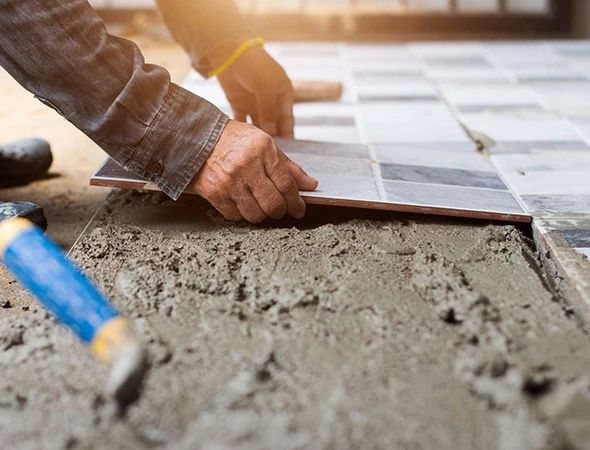
Tile setting looks simple from the outside. In practice, it depends on preparation you never see once the job is done.
The subfloor — the base layer beneath your tile — has to be flat and stable. If it flexes even slightly, grout lines crack and tiles pop loose over time. A good installer checks this before laying a single piece.
Layout matters too. Starting a pattern in the wrong spot can leave thin, awkward slivers along one wall. Experienced contractors plan the grid so full tiles land where your eye goes first.
Common Situations Homeowners Run Into
Most tile projects in Pawtucket fall into a few familiar categories. Knowing yours helps you ask better questions.
- Bathroom floors and showers: These need waterproofing behind the tile, not just on top of it.
- Kitchen backsplashes: Small tiles and tight cuts around outlets take patience and a steady hand.
- Entryways and mudrooms: High-traffic zones call for durable tile and strong grout that resists chipping.
- Radiant heat floors: Tile pairs well with under-floor heating, but the install has to account for it.
For a straightforward floor, most jobs wrap up in two to four days. If your project involves waterproofing or heating, expect longer and plan around it.
What Separates a Reliable Installer
Before you sign anything, it helps to know what good work actually looks like.
Ask to see recent projects, ideally in person. Check the grout lines — they should run straight and stay even in width. Run your hand across the surface and feel for lippage, the small height difference between neighboring tiles that signals a rushed job.
References tell you the rest. A contractor who has worked around Pawtucket, RI for years usually has neighbors willing to vouch for the results. Local shops like The Flooring Specialist often know which installers keep showing up in good reviews.
Tile Isn’t Always the Answer
Sometimes another surface fits the room better. That is worth weighing before you commit.
Tile suits wet areas and heavy traffic. But in a basement or a rental unit, many homeowners choose Vinyl Flooring Installation in Providence, RI instead, since vinyl handles moisture at a lower cost and installs faster. It also feels warmer underfoot than ceramic.
The rule of thumb is simple. For bathrooms, kitchens, and entryways, go with tile. For budget-conscious rooms or spaces prone to flooding, vinyl often wins. When you are unsure, price out both before deciding.
Getting the Details Right
Ask about pricing upfront so there are no surprises at the end. Most contractors quote by the square foot, and rates shift with tile size, cuts, and prep work.
Confirm who supplies the tile, how long the job takes, and what the warranty covers. A clear written estimate protects both sides and keeps the project on track.
Do the homework before you book. A little research now saves you from living with a floor you regret for the next decade.
Frequently Asked Questions
How much does tile installation cost in Pawtucket, RI?
Most installers charge by the square foot, with total cost depending on tile size, layout, and subfloor prep. Get at least two written estimates to compare fairly.
How long does a tile floor take to install?
A standard floor usually takes two to four days. Showers, waterproofing, or heated floors add time, so ask for a timeline before work begins.
Is tile or vinyl flooring better for a basement?
Vinyl often works better in basements because it resists moisture and costs less. Tile is a stronger choice for bathrooms, kitchens, and high-traffic entryways.
What should I check in an installer’s past work?
Look for straight, even grout lines and a flat surface with no raised tile edges. In-person references from local homeowners are the best signal.
Do I need to remove my old flooring first?
Not always. Some installers can lay tile over an existing surface if it is flat and stable, but many recommend removal for the longest-lasting result.