It usually starts with a sound. A faint scratching in the ceiling late at night, or something skittering behind the kitchen wall. Many homeowners wave it off at first, until they find chewed food packaging in the pantry or small droppings under the sink.
For many families, effective rodent control in Houston, TX comes down to understanding why these animals show up and what makes a home attractive to them. The region’s warm, humid climate, dense tree cover, and frequent storms make it one of the more rodent-friendly metro areas in the country. Once rodents find a way in, they rarely leave on their own.
Why Rodents Thrive Along the Gulf Coast
Rodents need three things: food, water, and shelter. Southeast Texas provides all three in abundance, nearly year-round.
Unlike colder parts of the country, the area doesn’t get long freezes that naturally thin out rodent populations. Breeding can continue through most of the year. A single pair of house mice can produce dozens of offspring in just a few months under the right conditions.
Weather plays a major role too. Heavy rain and flooding push rodents out of storm drains, bayous, and low-lying ground. They look for higher, drier places, and attics, garages, and wall voids fit that need perfectly. Fall also brings a noticeable uptick in activity as temperatures dip and rodents search for steady warmth.
The Usual Suspects
Three species cause most of the trouble in Houston-area homes.
Roof rats are agile climbers. They travel along tree branches, fences, and utility lines, often entering homes through rooflines, soffits, and attic vents. Homeowners frequently hear them overhead before they ever see one.
Norway rats are larger and prefer to stay low. They burrow near foundations, under slabs, and around woodpiles or dense landscaping. They often enter through gaps near plumbing lines or damaged garage door seals.
House mice are the smallest and the most adaptable. They can squeeze through an opening about the size of a dime and tend to settle close to food sources, like kitchens and pantries.
Knowing which species is present matters. A roof rat problem calls for a very different approach than a mouse problem in a ground-floor cabinet.
Why Early Action Matters
Rodents are more than a nuisance. Their constant gnawing keeps their teeth in check, and that habit can lead to real damage. Chewed electrical wiring is a known fire hazard, and insurance claims tied to rodent damage are more common than many people realize.
Health concerns are another factor. Rodent droppings and urine can contaminate food and surfaces, and they’re linked to illnesses like salmonellosis and leptospirosis. Nesting material in attics can also break down insulation, which affects energy efficiency during long Texas summers.
There’s a financial side as well. A small infestation caught early is far easier to manage than an established colony. Waiting a few months often means more repairs, more cleanup, and more time spent fixing the problem.
What Effective Rodent Control Looks Like
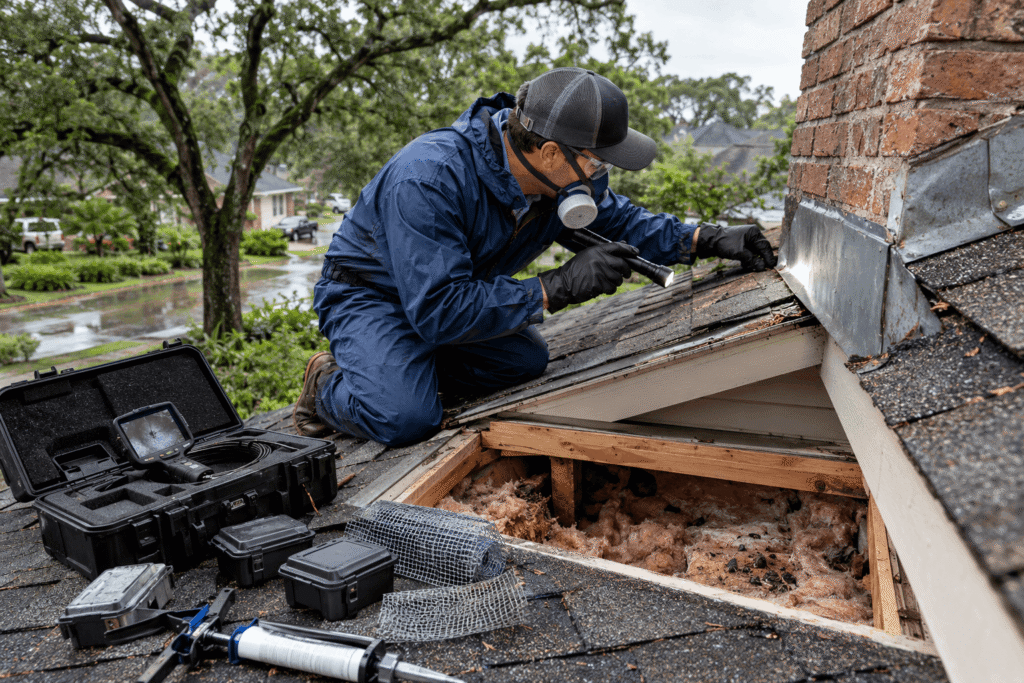
Good rodent management isn’t just about setting traps. Industry professionals generally focus on a combination of inspection, exclusion, and ongoing monitoring.
Inspection means finding out where rodents are entering and where they’re spending time. Signs include grease marks along walls, gnaw marks on wood or plastic, droppings, and nesting debris.
Exclusion is often the most important part. This involves sealing entry points with durable materials like steel mesh, metal flashing, or hardware cloth. Expanding foam alone usually doesn’t hold up, since rodents can chew right through it.
Monitoring helps confirm the problem is truly resolved. Traps and bait stations, when used, are typically placed strategically and checked on a schedule. Sanitation also plays a part. Removing easy food sources and clutter makes a home far less inviting.
Real-World Scenarios Homeowners Face
Consider a family in an older neighborhood with mature oak trees. Their branches hang over the roof, giving roof rats a direct path to the attic. Trimming those limbs back and sealing a gap near the attic vent often solves a problem that months of trapping couldn’t.
Or take a newer suburban home where the garage door seal has worn down. Mice slip in at night, drawn by bags of birdseed and pet food stored on open shelves. Moving those items into sealed bins and replacing the door seal can make a dramatic difference.
Then there’s the post-storm scenario. After heavy flooding, many residents notice new activity in crawlspaces and garages. Rodents displaced from flooded areas move in quickly, which is why inspections after major weather events are so common across the region.
How Rodent and Roach Problems Often Overlap
Rodents and cockroaches tend to show up under the same conditions. Moisture, accessible food, clutter, and small gaps in a home’s exterior attract both pests.
That’s why many homeowners in surrounding suburbs end up dealing with both issues at once. Residents seeking roach control in Katy, TX often find that the same entry points letting in American cockroaches are also open to mice. Sealing those gaps and reducing moisture tends to address both problems together.
Local companies such as AJ Pest Control Services are among the providers in the area that deal with these overlapping pest issues, which reflects how common the combination has become. Regardless of who handles the work, a thorough approach that looks at the whole home usually delivers longer-lasting results than treating each pest separately.
The Bottom Line
Rodents are a fact of life along the Texas Gulf Coast, but they don’t have to become a permanent part of any household. Paying attention to early warning signs, keeping food sealed, trimming vegetation, and closing off entry points can go a long way.
When an infestation does take hold, understanding the species involved and focusing on exclusion rather than quick fixes leads to the best outcomes. Effective rodent control in Houston, TX is less about one-time treatment and more about making a home a place rodents simply can’t access.
Frequently Asked Questions
What are the most common rodents in Houston homes?
Roof rats, Norway rats, and house mice are the most common. Roof rats tend to nest in attics, while Norway rats and mice usually stay closer to ground level.
How can homeowners tell if they have rats or mice?
Size of droppings is a strong clue. Rat droppings are about half an inch long, while mouse droppings are much smaller, roughly the size of a grain of rice. Noises in the attic often point to roof rats.
Why do rodent problems get worse in the fall and after storms?
Cooler temperatures send rodents looking for warm shelter. Heavy rain and flooding also drive them out of drains and low areas, pushing them toward homes and garages.
Is roach control in Katy, TX connected to rodent prevention?
Often, yes. Both pests are drawn to moisture, food, and small openings. Sealing gaps, fixing leaks, and storing food properly helps reduce the risk of both.
Do rodent infestations go away on their own?
Rarely. Rodents breed quickly and stay where food and shelter are available. Without sealing entry points and removing attractants, the problem usually grows over time.