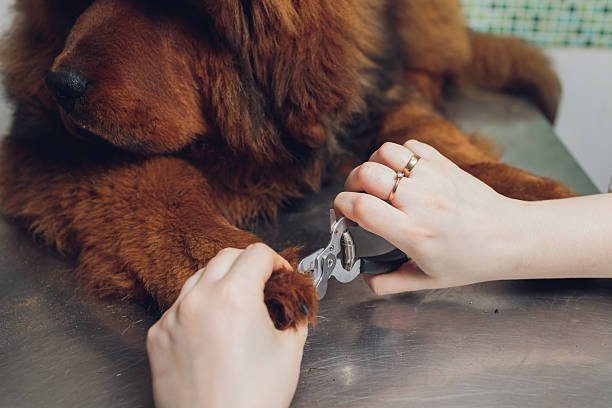
close up of cutting dog nail with specialty tool
Long nails are more than a cosmetic problem, because they can change how a dog walks, scratch floors, and cause real discomfort over time. Many owners avoid trimming out of fear of hurting their pet, which only lets the problem grow. Learning a calm, correct method for a Dog nail trim Rialto pet owners can trust makes the task far less stressful for everyone. Professional teams such as Rialto Grooming see the results of both good and poor trimming habits every week. These steps will help you handle the job safely and confidently.
Get Your Tools and Space Ready
Choose the Right Clippers or Grinder
Scissor-style and guillotine clippers work for many dogs, while rotary grinders offer a smoother finish for thick nails. Pick a tool that suits your dog’s size and your own comfort level. Sharp blades matter, since dull clippers crush the nail and make the experience more unpleasant.
Set Up a Calm Spot
Choose a quiet, well-lit area with a non-slip surface. Before you begin, gather everything within reach so you never leave your dog mid-trim:
- Clippers or a grinder in good condition
- Styptic powder to stop minor bleeding
- Soft treats for rewards
- A towel or mat for steady footing
Learn Your Dog’s Nail Anatomy
Find the Quick
The quick is the pink area inside the nail that contains blood vessels and nerves. Cutting into it causes pain and bleeding, so your goal is to stay safely ahead of it. Trim small amounts at a time, and stop when you notice a darker dot appearing at the center of the cut surface.
Light Nails Versus Dark Nails
On light or clear nails, the quick is easy to see as a pink core. Dark nails are harder, because the quick hides from view. Work in thin slices and check the cut end after each snip, giving yourself more control and a lower chance of mistakes.
Do Not Forget the Dewclaws
Dewclaws sit higher on the leg and never touch the ground, so they do not wear down naturally. They can curl and grow into the skin if ignored. Check them every time you trim and treat them with the same patience as the other nails.
Trim Step by Step With Confidence
Introduce the Tools Slowly
Let your dog sniff the clippers, then touch them to the paws without cutting, and reward calm behavior. Short, positive sessions teach your dog that nothing scary is happening. For a nervous pup, a successful Dog nail trim Rialto groomers would approve of may take several days of gentle practice.
Make Small, Careful Cuts
Hold the paw firmly but gently, and clip at a slight angle following the natural curve of the nail. Take off only a little at a time and smooth any sharp edges. Praise your dog often, and stop for a break if either of you feels tense.
Aftercare and When to Call a Pro
Handle Minor Bleeding Calmly
If you nick the quick, stay calm and press styptic powder onto the nail for several seconds. Keep your dog quiet until bleeding stops. Contact a veterinarian if bleeding continues, if the nail is torn, or if your dog seems to be in significant pain afterward.
Keep a Regular Schedule
Many dogs need a trim every few weeks, though the timing depends on activity and surfaces they walk on. A good rule is to trim when you hear nails clicking on hard floors. Regular trims also keep the quick shorter, making future sessions easier.
Know When a Groomer Helps
Some dogs are fearful, aggressive, or simply too wiggly for home trimming. Seniors with stiff joints and breeds with thick black nails can be challenging too. A trained groomer offers experience, proper restraint techniques, and patience, which can turn a difficult chore into a quick, calm visit.
Frequently Asked Questions
How often should I trim my dog’s nails?
Most dogs benefit from a trim every three to four weeks, though active dogs that walk on pavement may need less. A simple check is to listen for clicking on hard floors. If you hear it, your dog is likely due for another trim.
What if my dog hates having paws touched?
Start with short handling sessions paired with treats, touching a paw for a second and then rewarding. Build up slowly over days or weeks. If fear remains strong, a professional groomer or veterinary behavior guidance can help make the process safer and calmer.
Is a grinder better than clippers?
Neither is better for every dog. Grinders offer smooth edges and fine control but can be noisy, which some dogs dislike. Clippers are quick and quiet but need to be sharp. Try each tool gently and choose what your dog tolerates best.
Can long nails cause health problems?
Yes. Overgrown nails can change posture, strain joints, and increase the risk of splitting or snagging. In severe cases, they can curl into the paw pad and cause infection. Regular trimming helps keep your dog comfortable and moving naturally on every surface.
Closing Thoughts
A good trim comes from patience, the right tools, and a steady routine your dog learns to trust. Take your time, reward calm behavior, and ask for help when a job feels too tricky. If you would rather leave it to experts, a trusted Dog nail trim Rialto groomer can keep your dog’s paws healthy and comfortable.