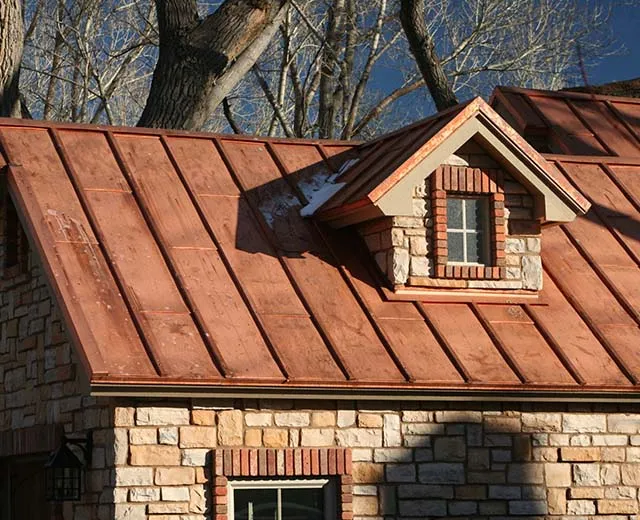
Walk through the older neighborhoods of Boston, Charleston, or Santa Fe, and you’ll notice something special about the rooftops. Copper domes turned green with age. Slate tiles that have weathered a century of storms. Terra-cotta shingles glowing warm in the afternoon sun. These roofs tell stories, and keeping those stories alive is what historic roof restoration is all about.
But time isn’t kind to old buildings. Leaks, cracked tiles, and rusting metal threaten structures that took generations to build. That’s where careful restoration steps in, protecting both the beauty and the history above our heads.
What Makes Historic Roof Restoration Different
Restoring an old roof isn’t the same as replacing a modern one. The goal isn’t to make it look brand new. Instead, the aim is to keep the original character while making the structure safe and weatherproof again.
This means matching original materials as closely as possible. A slate roof from the 1800s needs slate, not asphalt. A copper cornice deserves copper repairs, not a quick patch job. Craftspeople often study old photographs and building records to get the details right.
Across the United States, preservation guidelines set by local and national bodies shape how this work is done. Buildings on historic registers must follow strict standards, which can limit what materials and methods restorers use.
Why It Matters More Than You Think
Old roofs do more than shelter people. They anchor a building’s identity and, often, an entire community’s sense of place. A courthouse, a church, or a downtown theater loses part of its soul when its roofline changes.
There’s also a practical side. A well-restored roof can last for decades, sometimes outliving modern replacements. Original materials like copper and slate were built to endure, and restoring them often costs less over time than repeated repairs.
Restoration also supports sustainability. Reusing existing structures means less waste and fewer new materials pulled from the earth. In many parts of the United States, this approach has become a quiet form of green building.
The Craft Behind the Work
Good restoration blends old-world skill with modern science. Metalworkers, masons, and roofers often train for years to handle delicate materials without causing damage. One wrong move on brittle slate or aged copper can undo decades of history.
Modern coatings and finishes have also changed the game. Products such as Copper Liquid Paint let restorers refresh weathered metal surfaces while keeping their authentic look intact. These solutions help extend the life of a roof without hiding its natural charm.
In some projects, roofs even become canvases. Architectural art installations have turned aging rooftops into striking public features, blending preservation with creativity. A tired copper surface can become a focal point that draws visitors and photographers alike.
Real-World Examples Across the Country
Consider a small town in Vermont where a 150-year-old church needed its steeple restored. Rather than tearing it down, the community raised funds to repair the original copper. Today, that steeple still greets visitors, greener and prouder than ever.
Or take an old train station in the Midwest, where restorers revived a slate roof that many thought was beyond saving. The building now serves as a museum, its roof standing as proof that careful work pays off.
Even large cities across the United States have embraced this trend. Historic districts often require restoration rather than replacement, and some property owners have added architectural art installations to celebrate their building’s heritage in fresh ways.
Looking Ahead
Interest in preserving old buildings keeps growing. Younger generations value authenticity, and many see historic roof restoration as a way to honor the past while building a more sustainable future.
As tools and materials improve, restoring these roofs becomes easier and more affordable. The buildings that shaped American towns can keep standing, one carefully repaired shingle at a time.
Frequently Asked Questions
How long does a historic roof restoration usually take?
It depends on the size and condition of the roof. Small projects may take a few weeks, while large or complex structures can require several months of careful work.
Is restoring an old roof more expensive than replacing it?
The upfront cost can be higher because of specialized materials and labor. However, restored roofs often last longer, which can make them more cost-effective over time.
Can original roofing materials really be reused?
Yes, in many cases. Slate, copper, and clay tiles are durable and can often be cleaned, repaired, and reinstalled rather than thrown away.
Do historic buildings have special rules for roof work?
Often, yes. Buildings on historic registers usually follow preservation guidelines that limit which materials and methods can be used to keep the original look.
Why is copper so common in historic roofing?
Copper is prized for its durability and natural aging. Over time it forms a green patina that protects the metal and gives old buildings their classic charm.