Investing in solar energy is a major decision for homeowners and businesses, and choosing the right professional can have a lasting impact on the system’s performance. A licensed solar contractor provides specialized knowledge for planning, installing, maintaining, and servicing solar energy systems. From evaluating a property’s electrical infrastructure to positioning panels and connecting essential equipment, professional solar work requires technical knowledge and careful attention to safety. Selecting a qualified contractor at the beginning can help property owners avoid installation complications and create a better foundation for long-term solar ownership.
The growing interest in renewable energy has created more options for customers, but not every solar provider offers the same level of expertise or service. A licensed solar contractor should be able to explain the installation process, equipment choices, system design, project timeline, and ongoing maintenance requirements in clear terms. Customers should look beyond promotional pricing and consider credentials, experience, workmanship, communication, and post-installation support. A well-planned solar project should be designed around the property’s actual characteristics and the customer’s energy objectives rather than based on a one-size-fits-all approach.
What Does a Licensed Solar Contractor Do?
A solar contractor can handle many stages of a solar energy project, depending on the services offered by the company. The work may begin with a property assessment that examines roof condition, available space, sunlight exposure, shading, electrical capacity, and expected energy consumption. After the assessment, the contractor can develop a system layout and recommend compatible solar panels, inverters, mounting equipment, monitoring technology, or energy storage solutions. Installation then involves securing the mounting structure, positioning the panels, connecting electrical components, and completing appropriate system checks. Experienced contractors may also provide troubleshooting, maintenance, repairs, upgrades, and solar panel removal and reinstallation when roofing work becomes necessary. Understanding the contractor’s complete service range can help customers choose a provider capable of supporting the system beyond the initial installation.
Why Professional Licensing Is Important
Solar installations involve electrical equipment, rooftop work, and connections with a property’s existing electrical infrastructure. Professional licensing provides an important qualification when evaluating contractors responsible for regulated work. Customers should verify the credentials relevant to the work being performed rather than assuming that every company selling solar products is automatically qualified to handle electrical installation. Licensing requirements can vary by jurisdiction and type of work, so property owners should understand the requirements applicable to their project. Beyond compliance, hiring appropriately qualified professionals can give customers greater confidence that the installation is being handled by people who understand the technical responsibilities involved. Licensing should not be viewed as the only measure of quality, but it is an important starting point when comparing solar providers.
Assessing Your Property Before Going Solar
A successful solar project begins with understanding the property. The roof should be examined for age, condition, usable surface area, structural considerations, and potential obstacles. Trees, neighboring structures, vents, skylights, and other features can affect how much sunlight reaches different portions of the roof. Electrical capacity is another important consideration because the solar system must integrate appropriately with the property’s existing electrical infrastructure. Household energy consumption should also be reviewed when determining system size. These factors help the contractor develop a practical design instead of simply installing as many panels as possible. If the roof is already nearing the end of its service life, homeowners may also want to complete roofing work before installing solar to avoid future removal and reinstallation expenses.
Selecting the Right Solar Equipment
Solar panels are the most visible part of a photovoltaic system, but several other components contribute to its operation. Depending on the project, homeowners may need inverters, mounting hardware, monitoring equipment, batteries, electrical upgrades, and other components. Equipment should be selected based on compatibility, available space, expected energy requirements, installation conditions, and long-term service considerations. A reputable contractor should explain the differences between available options without relying solely on marketing claims. Customers should also understand equipment warranties and what those warranties actually cover. Choosing components that work well together is more important than selecting individual products based only on a single performance specification. Professional system design can help ensure that the complete installation functions as an integrated energy solution.
Understanding the Installation Process
Once the design has been finalized, the installation team can prepare the property and begin placing the system components. Mounting equipment is positioned according to the planned layout, followed by installation of the solar panels and electrical connections. Wiring should be organized carefully, while equipment such as inverters should be positioned in suitable locations for operation and future service. The contractor may also coordinate inspections and other project requirements before the system is placed into normal operation. Customers should receive an explanation of how the system works and how to monitor its performance after installation. Understanding what happens during each stage helps homeowners recognize the difference between a carefully managed solar project and an installation focused primarily on getting panels onto the roof as quickly as possible.
The Importance of Roof and Solar Coordination
A rooftop solar system and the roof beneath it are closely connected, which means homeowners should consider future roofing needs before installation. If the roof eventually requires replacement, the solar array may need to be temporarily removed so roofing professionals can access the surface. This is why roof condition should be evaluated before panels are installed. During future detach and reset work, the solar contractor can carefully remove the equipment, protect it during construction, and reinstall it after the roofing project is completed. Contractors with experience in both installation and solar removal can provide valuable continuity throughout the life of the system. Good planning at the beginning can also make future repairs and maintenance easier.
How to Evaluate Contractor Experience
Experience is one of the most useful factors to consider when comparing solar contractors. Customers should ask how long the company has been performing solar work, what types of systems it installs, and whether its technicians have experience with properties similar to theirs. Residential installations, commercial projects, battery systems, and complex electrical upgrades can each involve different challenges. Experience with troubleshooting and maintenance is also valuable because solar ownership does not end when the installation is completed. A contractor that understands the entire lifecycle of a system can often provide more useful guidance when equipment needs attention or the property changes. Customers should also look for clear communication and realistic explanations rather than promises that sound too good to be true.
Why System Monitoring Matters
Monitoring gives homeowners useful insight into how their solar system is performing. Depending on the equipment installed, customers may be able to view energy production through a monitoring platform or other system interface. Regularly checking production can help identify significant changes that may indicate equipment problems, shading changes, electrical issues, or other concerns. Monitoring should not replace professional maintenance, but it can help homeowners become familiar with their system’s normal behavior. If production changes unexpectedly, a qualified technician can investigate the cause. Keeping installation records and equipment information available can also make future troubleshooting more efficient.
Maintenance and Long-Term Solar Support
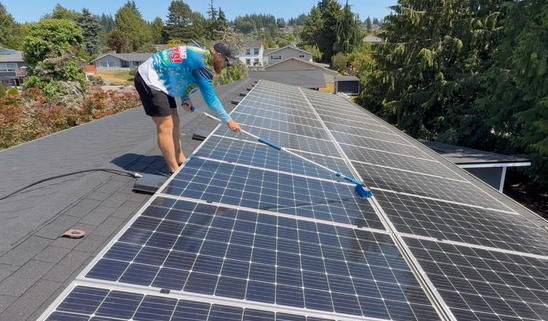
Solar panels are designed for outdoor operation, but they still benefit from appropriate attention over time. Weather exposure, debris, physical damage, electrical issues, and equipment aging can affect system performance. Homeowners should monitor production and arrange professional evaluation when unusual behavior occurs. Maintenance requirements vary depending on the equipment and property, so contractors should provide guidance appropriate to the specific installation. Long-term support can become particularly important after severe weather or when homeowners make electrical or structural changes to the property. Choosing a provider that offers continuing service can make it easier to address these situations without having to start the contractor-selection process again.
Comparing Solar Quotes
Price is naturally an important consideration, but comparing solar proposals requires looking beyond the final number. Customers should examine what each quote actually includes, such as system design, equipment, installation labor, electrical work, monitoring, warranties, and post-installation support. A lower price may not represent better value if important services are excluded. Customers should also ask whether the proposed system size is based on actual energy usage and property conditions. Written documentation can make it easier to compare proposals fairly. A professional contractor should be willing to explain the assumptions behind the quote and answer questions about equipment and installation responsibilities.
Conclusion
Choosing a licensed solar contractor is an important step toward developing a safe, practical, and dependable solar energy system. Property owners should consider licensing, experience, system design, equipment quality, roof condition, installation practices, monitoring, and long-term support before making a decision. The best contractor is not necessarily the one offering the lowest initial price, but the one that provides a clear plan and demonstrates an understanding of the property’s specific requirements. By taking time to evaluate qualifications and services carefully, homeowners and businesses can approach solar installation with greater confidence and build a system designed to serve their energy needs for many years.