Denver homeowners often have to think about home performance differently because local weather can shift dramatically throughout the year. A property may experience freezing temperatures, strong sunlight, dry conditions, and sudden seasonal changes within a relatively short period. Insulation Nation helps homeowners understand how attic construction and insulation can influence the way a home responds to these conditions. Learning what to evaluate before an attic project can help property owners make more practical decisions.
When researching attic insulation in Denver, homeowners should look beyond the thickness of the existing material. The attic’s layout, ventilation, air leakage, moisture conditions, insulation type, and overall building design can all affect performance. A professional assessment can identify whether the attic needs additional insulation, replacement, air sealing, or another type of improvement.
Why Denver Attics Deserve Attention
The attic separates the conditioned living space from an area that can experience significant temperature changes. During sunny summer afternoons, attic temperatures can rise considerably, while winter nights can create a very different environment.
Without adequate thermal protection, these changes can influence the rooms below. Upper-level spaces may become warmer than expected during summer or lose heat more quickly during cold weather.
Proper attic insulation can help slow heat transfer and create a stronger boundary between the living area and attic.
Understanding Existing Attic Conditions
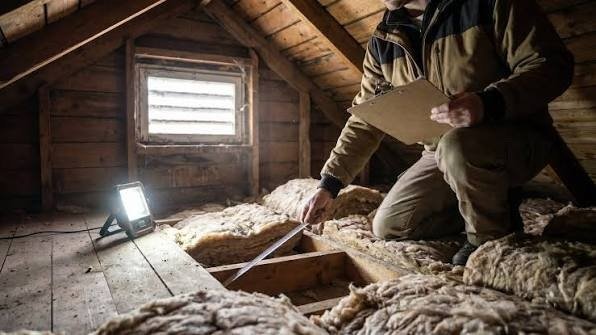
Before adding insulation, homeowners should find out what is already present. Older properties may contain insulation that has settled over time or become uneven because of previous maintenance and remodeling.
Some areas may have adequate coverage while others have thin spots or gaps. Simply looking at one section of the attic may therefore provide an incomplete picture.
A professional inspection can help identify inconsistencies and determine whether the existing material can remain or whether removal and replacement should be considered.
Air Leakage Is Another Factor
Insulation does not stop all air movement. Openings around plumbing, wiring, recessed fixtures, ducts, and other penetrations can allow conditioned air to move into the attic.
These pathways can affect both comfort and building performance. Air sealing focuses on reducing appropriate unwanted openings before or during insulation improvements.
For homeowners planning an attic project, considering air leakage alongside insulation can provide a more complete understanding of how the ceiling assembly performs.
Attic Ventilation and Insulation
Ventilation is another consideration when evaluating an attic. The attic needs to be approached as a complete system rather than a simple storage area filled with insulation.
Homeowners should avoid blocking ventilation pathways unintentionally during an insulation project. The appropriate setup depends on the home’s construction, roof design, and existing ventilation strategy.
A qualified professional can evaluate the relationship between insulation and ventilation and explain whether any adjustments are necessary before installation.
Selecting Insulation for the Space
Different attic configurations can benefit from different insulation methods. Blown-in fiberglass and cellulose can be useful for covering broad attic floors and irregular areas. Batt insulation may work well in spaces where the installation surface is accessible and appropriately configured.
The correct selection depends on several factors, including the existing insulation, available space, desired thermal performance, and installation conditions.
Homeowners should ask contractors to explain why a particular material is recommended instead of assuming that the most heavily advertised option is automatically the best choice.
Understanding Colorado’s Seasonal Demands
Denver’s weather means insulation may have an important role during both heating and cooling seasons. Winter heating can become demanding when outdoor temperatures fall, while summer conditions can create significant heat exposure around the roof and attic.
An effective insulation strategy can help slow unwanted heat movement in both directions. It does not eliminate the need for heating or cooling, but it can contribute to a building envelope that responds more effectively to outdoor temperature changes.
Actual energy performance varies according to construction, HVAC equipment, existing insulation, weather, and other factors.
When Existing Insulation May Need Attention
Homeowners may wonder whether they should simply add more insulation. In some situations, additional material may be appropriate. In others, existing insulation may need to be removed first.
Material that is damaged, contaminated, severely deteriorated, or otherwise unsuitable should be evaluated before being covered. The condition of the attic itself should also be considered.
A professional recommendation should explain what work is necessary and why, allowing homeowners to understand the scope before approving the project.
What to Ask an Attic Insulation Contractor
Before hiring a contractor, Denver homeowners can ask:
- What is the current condition of my attic insulation?
- Are there areas with inadequate or uneven coverage?
- Is air sealing recommended?
- How will ventilation be protected?
- Which insulation material is appropriate?
- Does existing insulation need to be removed?
- What areas are included in the project?
- How will the finished work be checked?
For homeowners comparing attic insulation Denver options, these questions can make it easier to compare contractors based on the quality and completeness of their proposed work rather than price alone.
Preparing for an Attic Upgrade
Homeowners can help the process by sharing information about previous attic work, roof repairs, remodeling, moisture concerns, or comfort problems. Identifying rooms that consistently feel too warm or cold can also give the contractor useful information.
The goal should be to create a project based on the actual condition of the property. A professional assessment can reveal whether insulation is the primary concern or whether air leakage, ventilation, or another building issue should also be addressed.
Making a Better Attic Investment
Attic insulation can be an important part of improving a Denver home’s overall building performance. However, the best results begin with understanding the existing space rather than automatically adding material.
For homeowners researching attic insulation Denver, a property-specific evaluation can provide valuable direction about insulation levels, air sealing, ventilation, and installation requirements. By combining careful assessment with appropriate materials and professional workmanship, Insulation Nation can help Denver homeowners make informed decisions about attic improvements that support year-round comfort and more efficient home performance.