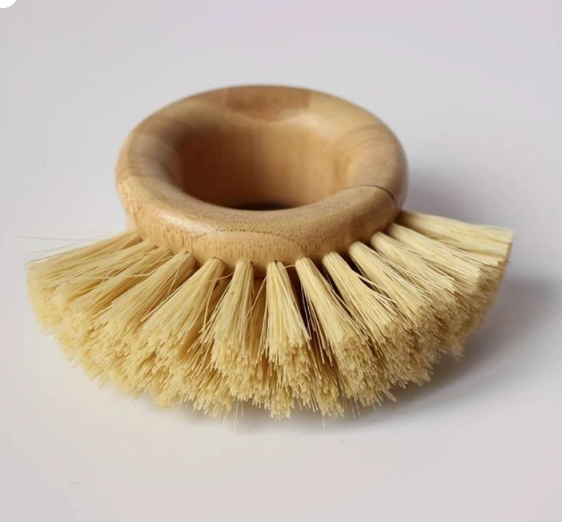
A brush for vegetables can be a useful kitchen tool for cleaning produce that has textured surfaces, firm skins, or grooves where soil and debris may collect. While many vegetables can be cleaned effectively under running water and gentle rubbing, some require additional attention to reach uneven areas. A properly designed vegetable brush provides controlled scrubbing without requiring excessive pressure, making it useful for items such as potatoes, carrots, cucumbers, squash, and other firm produce. For households that regularly prepare fresh ingredients, having the right cleaning tool can make food preparation more efficient while supporting good kitchen hygiene.
Choosing a brush for vegetables is not simply about finding the stiffest bristles available. Different produce varieties have different textures, and overly aggressive brushing can damage delicate skins or create unnecessary waste. Consumers may also consider handle comfort, bristle material, brush shape, drainage, durability, and ease of cleaning. Whether used in a family kitchen, restaurant, catering operation, or food-preparation environment, a suitable produce brush should make routine cleaning easier while fitting naturally into established food-handling practices.
Why Vegetables Need Careful Cleaning
Fresh vegetables can carry soil, dust, and other surface debris as a result of growing, harvesting, transportation, handling, and storage. Washing produce properly before preparation is an important part of maintaining a clean kitchen routine. However, simply applying more pressure is not always the best approach. Produce with rough or irregular surfaces can benefit from a brush that reaches areas difficult to clean with fingers alone. The goal is to remove visible dirt without unnecessarily damaging the vegetable. Cleaning should be adapted to the type of produce being handled, because a method suitable for a firm root vegetable may be excessive for a soft-skinned variety. A thoughtful approach combines appropriate washing with gentle, targeted brushing when needed.
Understanding the Design of a Vegetable Brush
A vegetable brush typically consists of a handle or gripping area and a surface covered with bristles. The arrangement and firmness of those bristles determine how the brush interacts with produce. Firm bristles can be useful for vegetables with tough or heavily textured skins, while softer bristles may be preferable for smoother or more delicate surfaces. Handle design also matters because a secure grip allows users to control pressure more effectively. Some brushes are designed with compact heads for detailed cleaning, while others provide broader surfaces for larger vegetables. Drainage and drying should also be considered because a brush that remains wet after use may become unpleasant to handle and more difficult to keep clean. Practical construction is therefore just as important as the appearance of the tool.
Choosing the Right Bristle Firmness
Bristle firmness should match the texture of the produce being cleaned. Potatoes and other root vegetables with firm skins can generally tolerate more vigorous brushing than delicate produce. For softer vegetables, a gentler brush can help remove surface dirt while reducing the risk of scratches. Using excessive force can damage the skin, particularly when a vegetable has already been softened by storage or moisture. It is therefore better to select a brush that provides enough cleaning action without requiring substantial pressure. Consumers who prepare a wide range of vegetables may find a medium-firm brush to be a practical compromise, provided they adjust their technique according to the produce. The objective is controlled cleaning rather than maximum scrubbing strength.
How to Use a Vegetable Brush Properly
Before brushing, rinse the produce under clean running water to loosen surface debris. Hold the vegetable securely and use the brush with moderate pressure, concentrating on areas where dirt is visible or where the surface is naturally uneven. There is generally no need to scrub every part of a vegetable aggressively. After brushing, rinse the produce thoroughly and inspect it to ensure that visible soil has been removed. The brush itself should then be rinsed so that food particles do not remain trapped among the bristles. Allowing the tool to dry properly between uses is an important part of routine maintenance. Cleaning methods should always be adapted to the particular vegetable and the manufacturer’s care instructions for the brush.
Matching the Brush to Different Vegetables
Firm root vegetables are among the most obvious applications for a produce brush because their irregular surfaces can retain soil. Potatoes, carrots, turnips, and similar vegetables may benefit from more substantial bristles. Cucumbers and squash can also be brushed when their surfaces contain dirt or textured areas, although a lighter touch may be appropriate. Mushrooms require particular care because their delicate surfaces can be damaged by aggressive treatment, and cleaning methods may vary according to how they are being prepared. Leafy greens generally require a different washing approach altogether and are not typically suited to scrubbing with a vegetable brush. Understanding these differences prevents the tool from being used indiscriminately and helps preserve the quality of fresh ingredients.
Hygiene and Brush Maintenance
A produce brush should itself be kept clean because it comes into direct contact with food. After each use, rinse away soil and vegetable particles rather than allowing them to dry between the bristles. Depending on the brush design, occasional deeper cleaning may be appropriate. Users should follow the manufacturer’s instructions regarding washing, sanitizing, and drying, particularly if the brush contains natural materials or components that may be affected by heat or harsh cleaning agents. Storage is another consideration. Keeping the brush in a clean, dry location with sufficient airflow can help prevent lingering moisture. Regularly inspecting the bristles and handle is also sensible because damaged or deteriorating components may make the tool harder to clean effectively.
Natural Materials and Sustainable Kitchen Tools
Many consumers are interested in kitchen accessories made with natural or renewable materials, particularly as they reconsider their use of disposable household products. A vegetable brush with a durable handle can be appealing because it is designed for repeated use rather than being discarded after a single cleaning task. However, material selection should always be considered alongside construction quality and maintenance requirements. A reusable product only provides practical value when it is durable enough to withstand regular use and can be kept hygienic. Consumers should therefore evaluate the complete design instead of assuming that a particular material automatically makes a product the best option. Longevity, usability, cleaning performance, and appropriate care are all relevant when building a more considered kitchen routine.
Choosing a Brush for Home and Professional Kitchens
Household users may prioritize comfort, compact storage, and versatility, while restaurants and food-service businesses may place greater emphasis on durability and repeated use. Professional kitchens can process large quantities of produce, making a comfortable grip and reliable bristle performance particularly important. The brush should also be easy to rinse and store so that staff can maintain appropriate cleaning procedures throughout the working day. For home cooks, a multipurpose design may be more convenient if it can handle several types of firm vegetables without taking up excessive drawer or counter space. In either environment, selecting a tool according to actual cleaning volume and produce variety is more useful than choosing based solely on appearance or marketing claims.
Common Mistakes When Cleaning Vegetables
One of the most common mistakes is assuming that every vegetable should be scrubbed with the same level of pressure. Delicate produce can be damaged by overly firm bristles or vigorous movements. Another mistake is failing to rinse the brush after use, allowing soil and food particles to remain trapped in the bristles. Storing the brush while it is still heavily saturated with water can also make maintenance more difficult. Consumers should avoid using a produce brush interchangeably with tools intended for dirty household surfaces because food-contact equipment should be kept separate and appropriately maintained. Finally, cleaning should not be viewed as a reason to remove edible skins unnecessarily. When a vegetable is suitable for preparation with its skin intact, gentle and effective surface cleaning can help preserve that part of the ingredient.
Conclusion
A well-designed brush for vegetables can make produce preparation more convenient by providing targeted cleaning for firm, textured, and irregular surfaces. The most suitable brush should offer an appropriate level of bristle firmness, a comfortable grip, durable construction, and a design that can be rinsed and dried easily. Users should adjust their technique according to the type of vegetable rather than applying the same amount of pressure to every ingredient. Regular brush maintenance is equally important because any tool used with food should remain clean and in good condition. By combining proper produce washing with a suitable brush and sensible maintenance habits, home cooks and professional kitchens can create a practical cleaning routine that supports both food preparation and everyday kitchen hygiene.