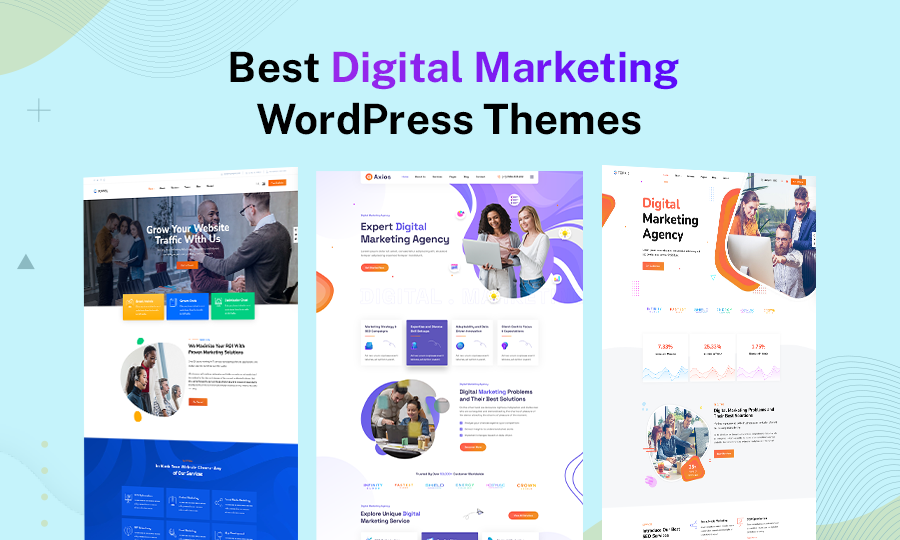
Marketing Agency Website Layout With SEO-Friendly Structure
A good marketing agency can achieve a lot for its clients but still fail to generate traffic to its own website. With the fierce competition, constantly changing search results and numerous agencies in the market, the prospective buyers will have multiple options to choose from. Unless they work out a sound SEO strategy, their site may never reach the targeted customers.
Once you know what potential clients are searching for, ensure your website delivers relevant, easy-to-find answers. Regular attention to content and technical updates will help your agency increase its online visibility.
Focus on Keywords That Align with Client Search Intent
Keyword research should be aligned with the services your agency offers and the pain points of the prospective client. When a user is searching for a generic service such as marketing advice they may be looking for information, but it can also be someone who’s almost ready to purchase the service.
Build Focused Service Pages
Give each major service its own useful landing page. Explain what the service includes, who benefits from it, and how your approach addresses common business challenges.
For example, an agency offering SEO, paid advertising, and conversion optimization should explain each service separately instead of relying on one generic page to cover everything.
Include relevant phrases naturally in page titles, headings, introductory copy, and supporting content. Avoid forcing exact-match keywords into every paragraph. Clear writing and a good match with search intent are more useful than repetitive wording.
Make Your Website Useful for Both Visitors and Search Engines

A strong marketing agency website should make its services easy to understand and its navigation easy to follow. Visitors should be able to find case studies, service details, contact information, and supporting resources without unnecessary clicks.
Employ anchor text to link pages within your website. Say you have a blog post on increasing conversions for your landing page. Link to a landing page conversions job you provide from the blog post with keyword anchor text.
Watch out for mobile usability too. Make sure text is legible, sites work on smaller devices and forms are simple to fill out. A nice looking design will not make up for a difficult user experience.
Conduct a Regular SEO Site Health Check
Technical problems can stop pages from being found, crawled and indexed. Regular SEO site health checks can catch these problems before they turn into an ongoing barrier to organic success.
Review Crawling and Indexing
Console to identify indexing issues. Check the indexing report for files or paths you would expect to be on your site. Examine why important URLs are not being indexed or are missing and look for crawl errors.
If the page is not showing up there as a usual candidate on organic search results and all the reasons why important pages might not be indexed, we need to analyze. Not every excluded URL is an issue: duplicate pages, filtered URLs, and content that is purposely noindexed.
Ensure your sitemap.xml contains the key canonical URLs which you wish search engines to crawl. Verify robots.txt and page-level file to make sure you are not inadvertently blocking important pages.
Check Speed and Mobile Performance
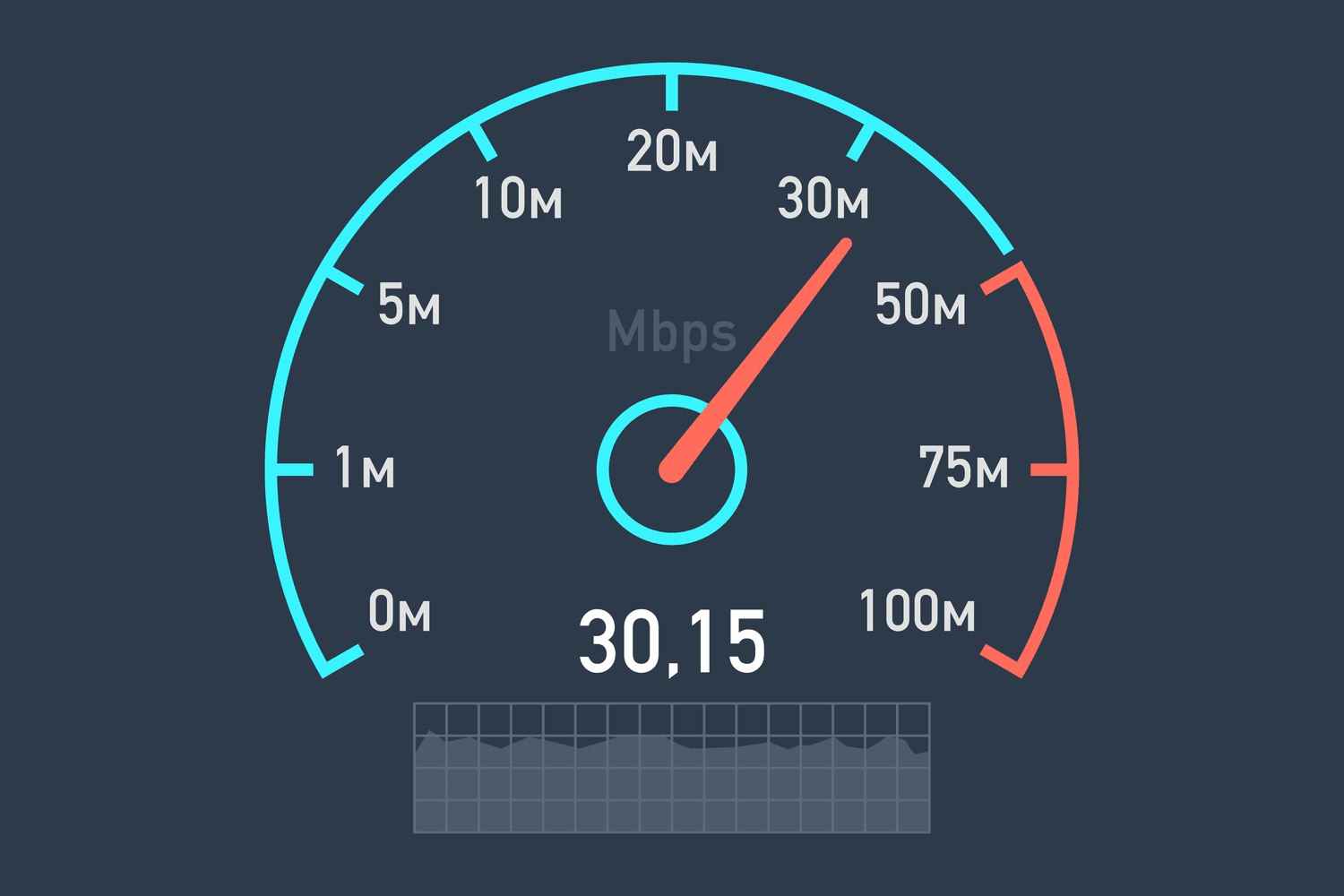
Slow pages can frustrate visitors and contribute to a poor experience. Use PageSpeed Insights to evaluate key pages and identify opportunities to improve loading performance.
Google’s Core Web Vitals provide useful measures of loading performance, responsiveness, and visual stability. The current good-performance thresholds include a Largest Contentful Paint of 2.5 seconds or less, an Interaction to Next Paint of 200 milliseconds or less, and a Cumulative Layout Shift score of 0.1 or less, measured at the 75th percentile.
As diagnostic metrics, they are helpful only as indicators. They are not necessarily directly tied to higher rankings. Prioritize enhancements that make a visitor’s experience on your site more user-friendly.
Strengthen Content Quality and Credibility
Adding more pages may not necessarily be the most effective strategy to improve visibility. Audit current pages to find outdated content, missing content, duplicated content, and pages that don’t answer the users’ needs.
Show True Hands-on Experience
Write with a customer – not vendor – in mind. Use real examples, in plain language, with proof to support major points. Focus on the case studies – whether describing a problem that the business faced, the work you did or the outcome that was achieved, don’t go overboard.
Keep author information and company details accurate. Where appropriate, show relevant expertise through project examples, specialist insights, and transparent explanations of your processes.
Refresh content when information becomes outdated or when search performance suggests that a page no longer meets user expectations. Avoid changing pages merely to make them appear fresh when no meaningful improvement is needed.
Improve Conversion Paths and Measure Results
Search traffic only counts if it’s heading to the right people your agency can really serve. Show phone numbers, be explicit about your value, and get the right calls to your service pages.
Monitor your organic clicks and impressions in Google Search Console. Track your valuable conversions in Google Analytics 4: Completed inquiry forms, appointments made, or whatever constitutes a conversion for your business.
Check the data often to see what pages are being found by the right people but not getting many leads. This could be a problem with a confusing message, unpersuasive call to action, or the page matching the search query.
Common SEO Mistakes to Avoid
This is traffic that means the most when it goes to real people your agency can truly serve. Provide clear calls to action, highlight your offering, and feature each page’s contact methods.
Monitoring organic clicks and impressions can be done in Google Search Console. Track how many important actions are being completed through your website using Google Analytics 4. Examples include a completed enquiry form, consultation bookings or custom conversions.
Monitor your data for pages that draw relevant visitors but don’t convert them into inquiries. The page could be poorly written, lacking a strong call to action, or not answering the searchers’ question.
Common SEO Mistakes to Avoid
They may fill their content calendar with rankings but neglect leads, or build backlinks without regard to relevancy and quality. They might publish comparable pages for related keywords and fail to differentiate the value you get out of each.
Avoid offers of assured rankings, excessive keyword stuffing, and generic automated content solely to influence search results. Long term SEO is based on utility, usability and a website that merits the attention of its audience.
Conclusion

Getting the organic exposure you want is much more than optimizing a handful of keywords. The best marketing agency website is one that offers useful service pages, great content, solid technical feet on the ground and a simple user experience.
Include SEO site health check as a standard part of your maintenance schedule track important metrics at each stage and implement changes in order of value. The more you can optimize your content regularly, the simpler you make it for your agency to be found, be trusted, and convert targeted visitors into profitable leads.