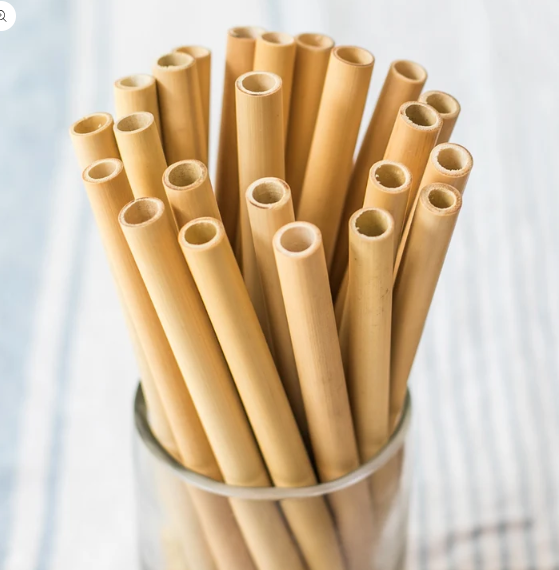
Bamboo straws offer a simple reusable alternative to disposable drinking straws for people who want to make more considered choices in their everyday routines. Unlike single-use options that are discarded after a short period, reusable straws are designed to be cleaned and used repeatedly. Bamboo is particularly appealing because it has a natural appearance and lightweight feel that can complement a variety of drinks and settings. Whether used at home, in cafés, during outdoor activities, or at social gatherings, a well-maintained bamboo straw can become a practical accessory for people seeking to reduce their reliance on disposable items.
The growing interest in Bamboo straws reflects broader consumer demand for reusable household and lifestyle products. Families, hospitality businesses, event organizers, travelers, and outdoor enthusiasts may appreciate drinking accessories that are compact, functional, and easy to incorporate into existing habits. However, choosing a reusable straw involves more than selecting an attractive natural material. Buyers should consider dimensions, construction, cleaning requirements, durability, storage, and the types of beverages they commonly consume. Understanding these factors makes it easier to select a straw that provides practical value rather than becoming another unused item in a kitchen drawer.
Why Reusable Drinking Straws Are Gaining Attention
Single-use drinking accessories are convenient, but their short lifespan means they are frequently discarded after only one use. Reusable alternatives approach the same task from a different perspective by emphasizing repeated use and maintenance. The environmental value of any reusable product depends largely on whether it is actually used regularly and cared for properly. A durable straw that remains in service for an extended period can be more practical than repeatedly purchasing disposable alternatives. For consumers, the transition can be particularly straightforward because drinking habits generally do not need to change. The same beverages can be enjoyed with a reusable accessory, making this type of product an accessible option for people interested in gradually reducing unnecessary single-use consumption.
What Makes Bamboo Suitable for Drinking Straws?
Bamboo is a naturally occurring plant material that has long been used for a wide range of household and practical applications. For drinking straws, its appeal comes from its lightweight construction, natural texture, and distinctive appearance. However, not every bamboo product is automatically suitable for repeated food or beverage contact. The quality of the material, processing methods, finishing, and construction all matter. A properly prepared straw should have a smooth interior and exterior without sharp edges or loose fibers that could interfere with comfortable use. Buyers should also look for clear care instructions because bamboo requires appropriate drying and storage. Material choice is only one part of product quality; careful manufacturing and responsible maintenance are equally important.
Choosing the Right Size and Design
Straw dimensions should match the beverages for which they will be used. A narrow straw may be suitable for water, juice, or other relatively thin drinks, while thicker designs may be more convenient for smoothies and beverages containing small particles. Length is another consideration because the straw should fit comfortably inside the glasses, bottles, or cups used most often. A straw that is excessively short may be inconvenient, while one that is too long can be awkward to handle. Shape also affects usability. Straight designs are simple to clean and store, while curved options may provide a different drinking experience. Buyers should therefore consider their regular drinkware and beverage preferences before selecting a particular size.
How to Clean Bamboo Straws
Proper cleaning is essential because the interior of a straw can retain traces of beverages if it is not rinsed thoroughly. After use, rinsing the straw promptly can help prevent residue from drying inside the passage. A suitable cleaning brush can then be used to reach the interior and remove remaining particles. Users should follow the manufacturer’s care instructions regarding washing methods and whether the straw can be exposed to particular temperatures. After cleaning, allowing the straw to dry completely is especially important. It should not be stored while damp because trapped moisture can affect natural materials over time. Establishing a simple routine of rinse, clean, dry, and store makes reusable straw maintenance much easier to manage consistently.
Maintaining Bamboo Straws for Longer Use
Like other natural-material products, bamboo straws benefit from sensible care. Regular inspection can help users identify changes such as cracking, splintering, unusual odors, or deterioration of the material. A straw showing significant damage should no longer be used for drinking because its structural condition may have changed. Avoiding unnecessary exposure to prolonged moisture can also help preserve the material. Storage should take place in a clean, dry area with adequate airflow. Some users may keep their straws in a dedicated container or protective pouch, particularly when carrying them in a bag or taking them outdoors. Good maintenance does not require complicated procedures; consistent drying, appropriate cleaning, and periodic inspection are generally the most important habits.
Using Bamboo Straws at Home and Outdoors
Reusable straws can be convenient in many different environments. At home, they can be kept with everyday drinkware and used whenever a straw is preferred. They are also useful for outdoor meals, picnics, camping trips, and travel because a lightweight reusable accessory can be carried alongside other personal items. Restaurants, cafés, and event organizers may also consider reusable drinking accessories as part of broader efforts to reduce dependence on disposable supplies, although commercial use requires appropriate hygiene procedures and cleaning capacity. For personal travel, users should make sure the straw can be cleaned and dried properly between uses. Convenience is important because a reusable product is most effective when its maintenance fits naturally into the user’s lifestyle.
Safety and Hygiene Considerations
Any item that comes into direct contact with beverages should be kept clean and inspected regularly. Natural-material straws require particular attention to moisture because their structure can be affected by improper storage. Users should avoid sharing personal drinking straws unless they can be thoroughly cleaned and sanitized using an appropriate method. A dedicated cleaning brush can help reach the internal channel more effectively than surface rinsing alone. It is also important to follow any care limitations provided with the product rather than exposing it to cleaning methods that may damage the material. When a straw develops cracks, rough areas, or other significant signs of wear, replacing it is preferable to continuing to use a compromised item.
Comparing Bamboo With Other Reusable Options
Bamboo is one of several materials available for reusable drinking straws, with each option offering different characteristics. Stainless steel straws are known for their rigidity and durability, while glass provides a smooth interior and allows users to see whether the straw is clean. Silicone options are flexible and can be useful for people who prefer a softer drinking accessory. Bamboo offers a different combination of lightweight construction, natural appearance, and tactile feel. The right choice depends on individual priorities, including durability, portability, cleaning preferences, appearance, and intended use. There is no need to select a particular material simply because it is marketed as the most sustainable option. A reusable product that suits a person’s habits and is used consistently can provide more practical value than one that remains unused.
Common Mistakes to Avoid
One of the most common mistakes with reusable straws is assuming that a quick rinse is always sufficient. Beverage residue can remain inside the straw, particularly after consuming thicker drinks. Another mistake is storing a bamboo straw while it is still damp, which can interfere with proper maintenance. Users should also avoid aggressive cleaning techniques that could damage the material or create rough internal surfaces. Purchasing a straw without considering its diameter can cause frustration if it does not work well with the drinks regularly consumed. Finally, reusable products should not be treated as maintenance-free. Their benefits depend on regular cleaning, responsible handling, and appropriate replacement when they are no longer in suitable condition.
Building Better Reusable Habits
Switching to a reusable straw can be one part of a larger approach to reducing unnecessary single-use products. Consumers can apply the same principle to other frequently used items, such as shopping bags, food containers, refillable bottles, and washable kitchen accessories. The key is to choose products that are genuinely useful and easy to maintain. A reusable item should fit naturally into an existing routine rather than requiring excessive effort. Keeping a straw in a convenient location, carrying it when needed, and cleaning it immediately after use can make continued use much easier. Over time, these small habits can become routine and help consumers make more deliberate choices about the products they purchase and discard.
Conclusion
Bamboo straws can be a practical reusable option for people who want a lightweight, natural-looking alternative to disposable drinking accessories. Their usefulness depends on selecting an appropriate size, ensuring good construction, cleaning the interior thoroughly, allowing the material to dry completely, and replacing the straw when significant wear appears. Consumers should also consider their preferred beverages, drinkware, travel habits, and ability to maintain the product before purchasing. A reusable straw is most valuable when it becomes a consistent part of everyday life rather than an occasional novelty. With proper care and realistic expectations, bamboo can provide a simple way to incorporate reusable habits into home, travel, outdoor, and hospitality settings.