Choosing a solar provider is an important decision because a solar energy system combines electrical equipment, structural mounting, roof considerations, and long-term energy management. Working with a licensed solar contractor can provide homeowners and businesses with a more structured installation process, from evaluating the property and designing the system to completing electrical work and preparing the system for operation. Professional installation is particularly important because solar equipment must integrate safely with the property’s existing electrical infrastructure while being appropriately secured to the roof or another mounting structure.
A reliable solar project should begin with the property’s actual requirements rather than a standard package. Energy consumption, roof condition, available sunlight, equipment location, electrical capacity, and future energy needs can all influence the final design. Sunaura Solar combines solar installation with licensed electrical expertise and offers rooftop solar, battery storage, solar shingles, ground-mounted systems, solar carports, monitoring, and related electrical upgrades across its service areas. Its website identifies its electrical license as TECL# 39213 and describes a process covering design, permitting, installation, interconnection, testing, and owner training.
Why Licensing Matters in Solar Installation
Solar installations involve electrical work that should be performed according to applicable safety and building requirements. A qualified contractor understands the importance of properly connecting equipment, protecting wiring, labeling components, and coordinating the installation with the property’s electrical service. Licensing can also give customers a way to verify that a contractor operates within the applicable professional and regulatory framework. However, homeowners should look beyond the word “licensed” when evaluating a provider. They should also ask about experience, insurance, installation procedures, equipment used, permitting responsibilities, warranties, and post-installation support. These factors collectively provide a clearer picture of how the contractor approaches a project and what the customer can expect throughout the installation.
How a Professional Solar Contractor Approaches System Design
Good solar installation begins before any panels reach the roof. A professional contractor should evaluate the property’s energy consumption and physical characteristics before recommending system capacity and equipment. Sunaura Solar describes a design process that reviews a year of energy usage, roof conditions, and the customer’s goals before engineering the proposed system. This approach can help determine an appropriate layout while accounting for available roof space and sunlight exposure. The design stage is also an opportunity to consider whether battery storage, electrical panel upgrades, EV charging, or other energy improvements may be appropriate for the property. Taking these factors into account early can help create a more coordinated energy system rather than treating solar panels as an isolated addition.
Roof Assessment and Solar Mounting Considerations
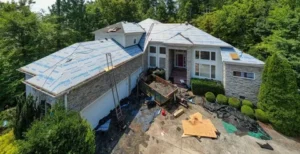
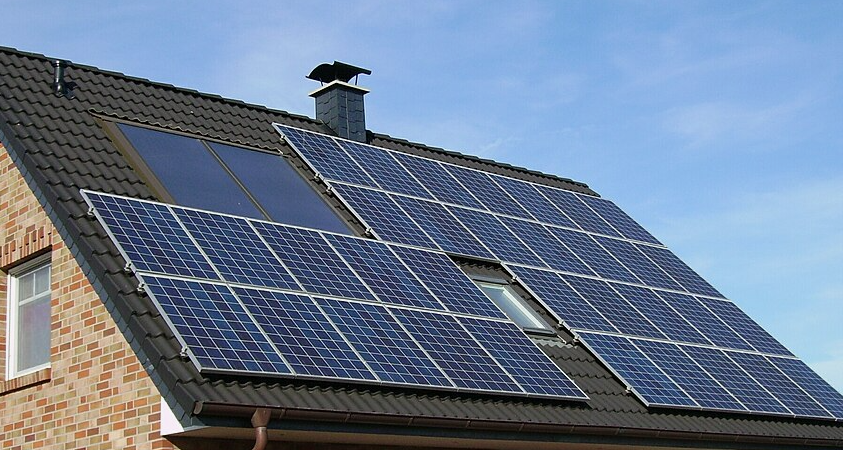
The roof provides the foundation for many residential solar installations, so its condition should be considered before mounting equipment. Contractors need to account for roof material, available space, orientation, shading, mounting locations, and the expected lifespan of the existing roofing system. A roof that requires major repairs or replacement may need to be addressed before solar installation to avoid removing the array prematurely. Proper mounting is equally important because panels need to remain securely attached while roof penetrations and related components must be handled carefully. Sunaura Solar lists rooftop solar options for shingle, metal, and tile roofs and describes its layouts as being designed to protect the roof while maximizing sun exposure.
Permits, Installation, and Electrical Work
A solar installation involves administrative steps as well as physical construction. Depending on the property and jurisdiction, permits, inspections, and utility interconnection procedures may be required before the system becomes fully operational. Having the contractor coordinate these stages can make the project easier for the property owner to manage. Sunaura Solar describes a process that includes preparing plans, submitting permits, scheduling installation, completing professional installation, passing inspections, connecting with the utility, and setting up system monitoring. Its stated installation approach also includes licensed electricians, code-compliant work, wire management, and equipment labeling. A clear process like this helps customers understand what happens between signing an agreement and beginning to generate electricity.
Battery Storage and Additional Energy Solutions
Solar installation can also be part of a broader energy strategy. Battery storage may allow homeowners or businesses to retain some generated electricity for later use and can provide power to selected circuits during outages, depending on the system design. Other technologies can complement solar as well, including EV chargers, solar shingles, ground-mounted arrays, and solar carports. Sunaura Solar lists whole-home and essential-load battery storage, Level 2 EV charger integration, solar shingles, ground mounts, and solar carports among its available solar solutions. Whether these additions make sense depends on the property’s energy requirements, available space, budget, and intended use, so they should be evaluated as part of the overall system design rather than added without considering compatibility.
Testing, Monitoring, and Owner Training
The installation process should not end when the panels are physically mounted. Testing and commissioning help verify that the equipment and electrical connections are functioning correctly before the contractor leaves the property. Monitoring is also valuable because it gives the owner visibility into system production and can help identify unusual changes that may require attention. Sunaura Solar states that its installation process includes setting up monitoring and providing an owner walkthrough so customers can track production. The company also describes testing systems before leaving the job and walking customers through the results. For homeowners and businesses, understanding how to access monitoring information and recognize system alerts can make ongoing ownership more straightforward.
Choosing the Right Licensed Solar Contractor
When comparing solar contractors, property owners should evaluate the complete service rather than focusing exclusively on the quoted installation price. Relevant considerations include licensing, insurance, design practices, equipment selection, permitting assistance, installation procedures, electrical expertise, testing, monitoring, warranties, and ongoing service. Customers should also request a clear written scope that explains what is included in the project and what responsibilities remain with the property owner or utility. Sunaura Solar identifies itself as a licensed and insured electrical team and states that its services cover residential and commercial customers across DFW, Austin, and Houston. A contractor that communicates clearly about each project stage can help customers make more informed decisions and reduce uncertainty during installation.
Conclusion
A solar energy system represents a long-term investment in a property’s electrical infrastructure, making professional planning and installation important considerations from the beginning. A qualified licensed solar contractor can help coordinate system design, roof assessment, equipment selection, electrical installation, permits, inspections, utility interconnection, monitoring, and customer training. Homeowners and businesses should evaluate contractors based on their qualifications, documented processes, communication, safety practices, and ability to support the system beyond installation day. With careful planning and professional workmanship, solar can be integrated into a property as part of a thoughtfully designed energy system rather than treated as a standalone equipment purchase.