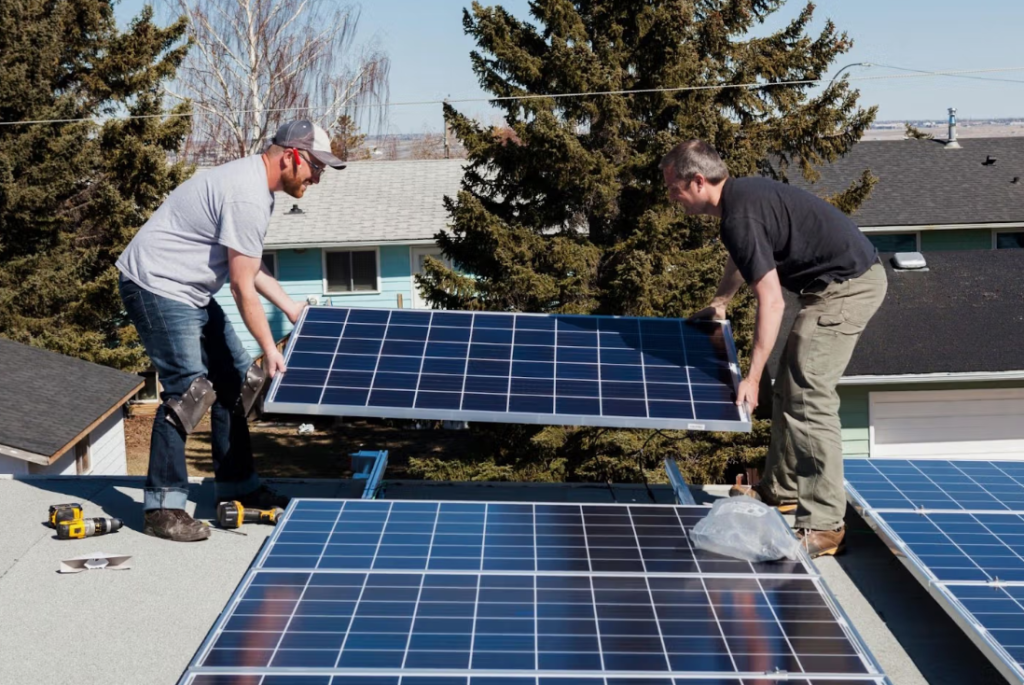
Replacing a roof is a significant home improvement project, and properties with an existing solar array require additional planning before roofing work begins. Solar panels, mounting hardware, electrical wiring, and related equipment can interfere with roof access, making professional removal an important part of the preparation process. Solar panel removal for roof replacement allows roofing contractors to work on the underlying roof surface while giving homeowners an opportunity to protect their solar equipment during construction. Proper coordination between solar and roofing professionals can help reduce the risk of equipment damage, scheduling problems, and complications when the system is eventually installed again.
Homeowners often assume that removing solar panels is a simple matter of taking the modules off the roof and storing them until the roofing project is complete. In reality, the process involves electrical safety, equipment documentation, careful handling, component inspection, and planning for reinstallation. Professional Solar panel removal for roof replacement can help ensure that the existing system is handled methodically from the initial shutdown through final restoration. Whether the roof requires a complete replacement or substantial repairs, understanding the process can help homeowners prepare their property and communicate effectively with everyone involved in the project.
Why Solar Panels Usually Need to Be Removed Before Roof Replacement
A roofing contractor generally needs clear access to the roof surface to remove old roofing materials, inspect the roof deck, install new materials, and complete flashing and other weatherproofing work. Solar panels and their mounting systems can obstruct these activities and may make it difficult to complete the roofing work properly. Attempting to work around an existing solar array can also increase the chance of accidental damage to panels, wiring, or mounting components. Removing the system before major roofing work gives contractors the access they need while allowing solar professionals to manage the electrical and equipment-related aspects separately. This separation of responsibilities can make the overall project more organized and allows each stage to be completed without unnecessarily compromising the other.
What Happens During Professional Solar Panel Removal
The removal process should begin with an assessment of the existing installation and a clear understanding of how the system is configured. Solar professionals may document panel locations, wiring arrangements, equipment connections, and mounting details before beginning work. The system is then appropriately shut down, and electrical connections are handled according to applicable safety procedures. Panels and other components must be carefully detached to reduce the risk of physical damage, while reusable mounting hardware and other parts should be organized for the eventual reinstallation. Proper temporary storage is also important because solar modules can be damaged if they are stacked, transported, or placed incorrectly. The objective is to preserve the condition and organization of the system while the roof is being replaced.
Coordinating Solar and Roofing Contractors
Communication between the solar contractor and roofing contractor can have a major impact on project efficiency. The two teams should establish when the solar system will be removed, when the roof will be ready, and when the solar equipment can safely return to the property. Delays may occur if the roof requires unexpected structural repairs or if weather affects the roofing schedule, so flexibility is useful. Homeowners should also clarify who is responsible for each stage of the project and how equipment will be stored while the roof work is underway. Good coordination helps prevent situations in which the roofing crew arrives before the solar array has been removed or the solar installer is scheduled before the roof is fully prepared for reinstallation.
Inspecting the Roof and Solar Equipment
A roof replacement provides an opportunity to examine both the roofing structure and the condition of the solar equipment. Once the panels are removed, previously covered portions of the roof can be inspected more easily. Roofing professionals may identify damaged decking, deteriorated materials, moisture issues, or other conditions that need attention before the new roof is installed. At the same time, the solar installer can inspect panels, wiring, mounting hardware, and other components for signs of wear or damage. Discovering these issues before reinstallation is preferable to discovering them after the system has already been restored. If any equipment needs replacement, addressing it while the system is already off the roof may also simplify the overall project.
Protecting Panels During Temporary Storage
Solar panels are durable, but they still require careful handling when removed from an active installation. During a roof replacement, panels should be stored in a secure location where they are protected from impacts, excessive movement, construction debris, and other hazards. Components should remain organized so that reinstallation does not become unnecessarily complicated. Proper labeling or documentation can be especially helpful when a system contains multiple components or a particular panel layout is important to the original design. Homeowners should discuss storage arrangements with their solar contractor before removal begins. Keeping the equipment protected throughout the roofing process is an essential part of preserving the investment and reducing avoidable replacement costs.
Preparing for Solar Reinstallation
Once the new roof is complete and has been inspected, the solar system can be prepared for reinstallation. The mounting approach may need to be reviewed because the new roofing materials can affect the locations and methods used for securing the array. Existing hardware should be evaluated rather than automatically reused, particularly if components show signs of wear or damage. Wiring and electrical connections also need to be restored carefully, with attention to proper routing and protection. The solar array should be installed in a way that works with the newly completed roof and maintains appropriate weatherproofing around mounting points. Proper planning at this stage helps ensure that the roof and solar system function together as an integrated installation.
Testing the Solar System After Reinstallation
Completing the physical installation does not necessarily mean the project is finished. After the panels are restored, the solar system should undergo appropriate electrical and operational checks. The installer may verify connections, equipment operation, monitoring functionality, and system production. These checks can help identify problems that may not be visible during a basic visual inspection. Homeowners should also confirm that monitoring information is available and that the system is communicating normally after being returned to service. Maintaining documentation from the removal and reinstallation process can be valuable for future maintenance, warranty questions, insurance records, or another roofing project later in the system’s life.
How Homeowners Can Prepare for the Project
Homeowners can make the process easier by discussing the entire project with their solar and roofing contractors before work begins. Important topics include the expected removal date, temporary storage arrangements, roof replacement timing, equipment inspection, reinstallation requirements, and final system testing. It is also useful to determine whether the roof needs structural repairs before the solar array is restored. If the solar installation is relatively old, the homeowner may want to ask whether existing components remain suitable for continued use. Planning these details in advance can reduce surprises and help the roofing and solar teams work from the same schedule.
Conclusion
Roof replacement and solar ownership can work together successfully when the project is planned carefully and handled by appropriately qualified professionals. Solar panel removal for roof replacement should be treated as a complete process rather than a simple equipment-removal task, with attention given to electrical shutdown, documentation, safe handling, temporary storage, roof preparation, component inspection, reinstallation, and final system testing. Homeowners who coordinate their solar and roofing work in advance can create a clearer project schedule and reduce unnecessary risks to both the roof and solar equipment. Careful planning ultimately helps ensure that the newly installed roof and existing solar system are ready to serve the property together for years to come.