A nose profile can shape the way the face looks from the side, and even a small contour adjustment may create a noticeable change. Liquid Rhinoplasty in Abu Dhabi refers to a non-surgical approach that uses carefully placed injectable filler to alter the appearance of certain areas of the nose. It may help smooth a shallow dip, add definition to the bridge, or create a more balanced-looking profile. The treatment changes visible contours rather than the underlying structure, so it is best understood as a temporary cosmetic option, not a replacement for surgery.
What the Treatment Involves
Liquid rhinoplasty typically involves injecting a gel-like filler into selected points around the nose. The aim is to add subtle volume where it can improve the overall outline. For example, filling a small indentation may make the bridge appear straighter, while carefully placed filler near the tip may create a more defined look.
The process begins with a consultation and assessment of the person’s facial proportions, goals, and medical history. A qualified practitioner should explain what can realistically be achieved and whether the nose is suitable for this approach. Treatment plans are individual: the same technique may create different results depending on a person’s starting shape and facial features.
What It Can and Cannot Change
Filler can adjust contours, but it does not make the nose physically smaller or remove tissue. In some cases, adding volume can make the nose appear larger from certain angles, even while creating a smoother profile. It also cannot correct breathing problems or address internal structural concerns.
A person seeking a major change in nose size, a substantial reshaping, or functional improvement may need to discuss other options with a qualified medical professional. Clear expectations matter. The most suitable goal is often a modest refinement that complements the rest of the face rather than a dramatic transformation.
Who May Consider It
Liquid rhinoplasty may be considered by adults who want a subtle, temporary change and have concerns that can be addressed through contouring. It may appeal to someone who wants to explore a refined profile without committing to a surgical procedure. However, suitability depends on individual anatomy, health, expectations, and professional assessment.
A consultation is also an opportunity to discuss previous procedures, allergies, relevant health conditions, and any medicines or supplements being taken. The practitioner should provide clear information about the proposed technique, the type of filler, expected duration, limitations, and potential risks. A person should feel comfortable asking questions and taking time to decide.
What to Expect During an Appointment
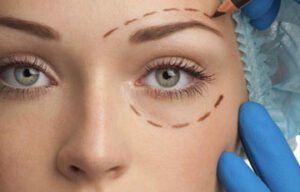
The appointment usually includes a discussion of the desired result and an examination of the nose and surrounding facial features. The practitioner may mark planned injection points and explain how small amounts of filler could influence the profile. The area is then prepared, and filler is placed with a needle or cannula, depending on the practitioner’s approach.
The process is generally brief, although appointment length varies. The practitioner should check the result as the treatment progresses and avoid adding more filler than needed. A careful, conservative approach can help maintain natural-looking proportions. Before leaving, the person should receive clear instructions about what to expect and whom to contact with concerns.
Results and How Long They May Last
Changes are often visible soon after treatment, though the appearance can settle as minor swelling subsides. Results are temporary because the body gradually breaks down the filler. How long the effect lasts varies with the filler used, the amount placed, the person’s metabolism, and the treated area.
A follow-up appointment may be suggested to review the result. Any adjustment should be considered only after the initial appearance has settled and a qualified practitioner has assessed the area. Repeated treatment should be guided by professional advice rather than a fixed schedule.
Choosing a Qualified Practitioner
The nose contains complex anatomy and important blood vessels, so injectable treatment in this area requires advanced knowledge and careful technique. A person should seek a licensed, appropriately trained medical professional with specific experience in nasal filler procedures.
Before proceeding, it is sensible to ask about qualifications, experience, the filler being used, emergency protocols, and how complications are managed. The practitioner should explain risks in plain language, answer questions without pressure, and decline treatment when it is not appropriate. A trustworthy consultation focuses on safety and realistic outcomes, not promises of perfection.
Frequently Asked Questions
Can liquid rhinoplasty make the nose smaller?
No. Filler adds volume and reshapes contours; it does not remove tissue or reduce the nose’s physical size. It may make a profile look smoother or more balanced, but the result depends on the person’s anatomy.
Is the result permanent?
No. The effect is temporary, as the body gradually breaks down the filler. The duration differs from person to person and depends on the product and treatment area.
Can it correct a crooked nose?
It may soften the appearance of some contour irregularities by adding volume strategically. It cannot correct every type of deviation, change internal structure, or resolve breathing difficulties. A professional assessment can clarify whether the concern is suitable for filler.
Is it suitable for everyone?
No. Some people’s goals or anatomy may not be appropriate for this treatment. A consultation should include a health review and an honest discussion of alternatives, limitations, and risks.
What should someone consider before deciding?
The person should understand that the change is temporary, may be subtle, and cannot replace surgery when structural changes are needed. They should choose a qualified practitioner, ask questions, and proceed only when expectations and safety information are clear.
A Thoughtful Approach to Profile Refinement
Liquid rhinoplasty can improve the appearance of selected nose contours for some people, especially when the goal is a modest profile refinement. Its appeal lies in its non-surgical approach, but it has clear limitations and requires careful professional judgment. A detailed consultation, realistic expectations, and a focus on safety help a person decide whether this option fits their needs.