Introduction
A tired-looking face can develop gradually as the skin loses elasticity, facial tissues shift downward, and wrinkles become more noticeable with age. Even after adequate rest, these changes may create an appearance of fatigue that does not reflect how a person feels. Modern facial rejuvenation procedures aim to address visible signs of aging while preserving natural facial characteristics. For individuals exploring Facelift in Abu Dhabi, understanding how a facelift works and which facial concerns it can improve can help them make informed decisions about facial rejuvenation.
Understanding the Causes of Tired Facial Features
Tired facial features can result from several age-related changes. As the skin becomes less elastic, it may begin to sag around the cheeks, jawline, and lower face. The natural support structures beneath the skin also change over time, contributing to a less defined facial contour.
Deepening folds around the nose and mouth can make the face appear older or more fatigued. Loose skin along the jawline may create jowls, while changes in the lower cheeks can reduce the definition of the face. These changes can occur gradually and may become more noticeable as the aging process continues.
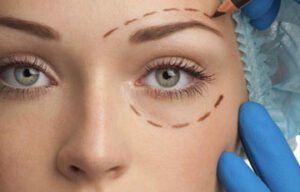
Although tired-looking eyes may also contribute to a fatigued appearance, a facelift primarily focuses on the lower and middle portions of the face. Understanding which areas contribute most to the overall appearance is important when considering facial rejuvenation.
What Is a Facelift?
A facelift is a surgical procedure designed to address visible signs of facial aging by repositioning underlying tissues and removing selected amounts of excess skin. Its main purpose is to improve facial contours, reduce the appearance of sagging, and create a smoother, more refreshed appearance.
Rather than simply tightening the surface of the skin, a facelift can involve adjustments to the deeper supporting tissues. This approach helps improve the relationship between the skin and underlying structures, supporting a more natural-looking result.
The procedure may address concerns such as loose skin around the cheeks, prominent folds near the mouth, and a poorly defined jawline. The exact approach depends on the individual’s facial anatomy, skin condition, aging patterns, and desired outcome.
How Can a Facelift Improve a Tired Appearance?
A facelift can help reduce the visible features that contribute to a tired or aged facial appearance. By improving skin laxity and repositioning selected tissues, the procedure may restore definition to areas that have gradually lost their youthful contours.
One important improvement involves the cheeks and lower face. When facial tissues descend with age, the cheeks may appear heavier, and the area around the mouth may develop deeper folds. Repositioning these tissues can create a smoother transition between facial regions and improve overall balance.
A facelift can also improve the jawline by addressing loose skin and jowls. A more defined jawline may make the face appear firmer and more refreshed. These changes can influence the overall expression of the face without necessarily changing its fundamental characteristics.
The results depend on the individual’s existing features and the extent of the aging changes. A facelift is not intended to create an entirely different face but to address selected concerns associated with facial aging.
Can a Facelift Make the Face Look More Youthful?
A youthful facial appearance is often associated with smoother contours, better skin support, and a more defined transition between the cheeks and jawline. As these features change over time, the face may appear less firm or more fatigued.
A facelift can help improve these visible characteristics by addressing sagging tissues and excess skin. The resulting contours may look more consistent with the person’s natural facial structure, creating a refreshed appearance.
However, youthfulness does not depend on skin tightness alone. Facial volume, skin texture, pigmentation, and the appearance of the eyes also influence how young or tired a person looks. A facelift primarily addresses sagging and contour changes, so it may not resolve every concern contributing to facial fatigue.
Realistic expectations are essential. The goal is generally to achieve a balanced improvement that respects the individual’s natural appearance rather than eliminate every line or completely stop the aging process.
Which Facial Areas Can Benefit From a Facelift?
A facelift commonly focuses on the cheeks, lower face, jawline, and areas around the mouth. These regions often show noticeable changes as skin elasticity decreases and supporting tissues gradually shift.
The cheeks may appear lower or less defined, while folds around the nose and mouth can become more prominent. A facelift may soften the appearance of these folds by repositioning the surrounding tissues.
The jawline is another area that may benefit from facial rejuvenation. Excess skin and jowls can obscure its natural outline, making the lower face appear heavier. Addressing these concerns can improve facial definition.
The neck may also be considered as part of an overall rejuvenation plan, depending on the procedure and the individual’s needs. However, a facelift does not automatically address every neck concern, and the appropriate approach varies from person to person.
Is a Facelift Suitable for Everyone With a Tired Face?
A facelift is not necessarily the most appropriate option for everyone who feels their face looks tired. The suitability of the procedure depends on the specific changes affecting the face and the individual’s overall health and expectations.
People with noticeable skin laxity, jowls, or sagging facial tissues may be more likely to benefit than those whose primary concerns involve dark circles, pigmentation, or uneven skin texture. These issues have different underlying causes and may require other approaches.
A professional assessment helps identify whether the main concern is related to loose skin, changes in facial volume, or another factor. It also provides an opportunity to discuss the expected improvements and limitations of the procedure.
Age alone does not determine suitability. Facial anatomy, skin condition, general health, and personal goals are important considerations when evaluating whether a facelift is appropriate.
How Does a Facelift Differ From Treatments for Other Facial Concerns?
Different facial rejuvenation treatments address different aspects of aging. A facelift primarily targets sagging tissues and excess skin, whereas other approaches may focus on skin quality, fine lines, pigmentation, or volume changes.
For example, concerns involving uneven skin tone or rough texture are not the primary focus of a facelift. Similarly, under-eye hollows and dark circles may remain noticeable even after the lower face has been rejuvenated.
This distinction matters because tired facial features often result from several factors rather than one isolated concern. An individualized assessment can help determine whether a facelift alone may address the main concerns or whether a broader treatment plan should be considered.
Selecting an approach based on the actual cause of the tired appearance helps establish more realistic expectations and supports a balanced outcome.
What Should You Expect From Facelift Results?
Facelift results vary according to the person’s anatomy, the technique used, and the extent of the changes being addressed. Many individuals seek a smoother lower face, improved jawline definition, and a less sagging appearance.
The intended outcome is usually a refreshed look that maintains recognizable facial characteristics. Natural-looking results depend on appropriate tissue positioning, careful planning, and an understanding of facial proportions.
The procedure does not prevent future aging. The skin and supporting tissues continue to change over time, although the improvements achieved through surgery may remain visible for years.
Recovery also varies between individuals, and the final appearance develops as healing progresses. Following professional aftercare instructions and attending recommended follow-up appointments are important parts of the process.
Conclusion
A facelift can help improve the appearance of tired facial features when sagging skin, descended tissues, and reduced jawline definition are the main concerns. By addressing these age-related changes, the procedure may create smoother contours and a more refreshed facial appearance while preserving natural characteristics. However, it does not directly correct every cause of facial fatigue, including pigmentation, under-eye concerns, or uneven skin texture. A personalized assessment is important for determining suitability, understanding the likely results, and establishing realistic expectations for facial rejuvenation.
Frequently Asked Questions
Does a facelift help reduce a tired-looking facial appearance?
Yes, a facelift may improve a tired appearance when it is primarily caused by sagging skin, descended facial tissues, and reduced definition around the cheeks and jawline.
Can a facelift make the face look more natural?
A carefully planned facelift aims to improve facial contours while maintaining the individual’s natural features. The outcome depends on the technique, facial anatomy, and treatment goals.
Does a facelift remove all facial wrinkles?
No, a facelift primarily addresses sagging tissues and excess skin. Fine lines, surface wrinkles, pigmentation, and changes in skin texture may require different approaches.
Can a facelift improve the appearance of the jawline?
Yes, a facelift may improve jawline definition by addressing loose skin and jowls that develop as facial tissues change with age.
Will a facelift correct dark circles under the eyes?
A facelift is not primarily designed to treat dark circles, under-eye hollows, or eyelid concerns. These issues may need separate assessment.
How long can facelift results last?
Results vary between individuals and depend on factors such as the surgical technique, facial anatomy, and natural aging. The procedure does not stop the aging process.
Is a facelift suitable for mild facial aging?
Suitability depends on the specific concerns, skin laxity, facial structure, and desired outcome. A professional assessment can help determine whether surgery is appropriate.
Does a facelift change a person’s facial identity?
The aim is generally to improve sagging and facial definition rather than change a person’s identity. Treatment planning should consider natural proportions and individual expectations.