FFS Bags and Films
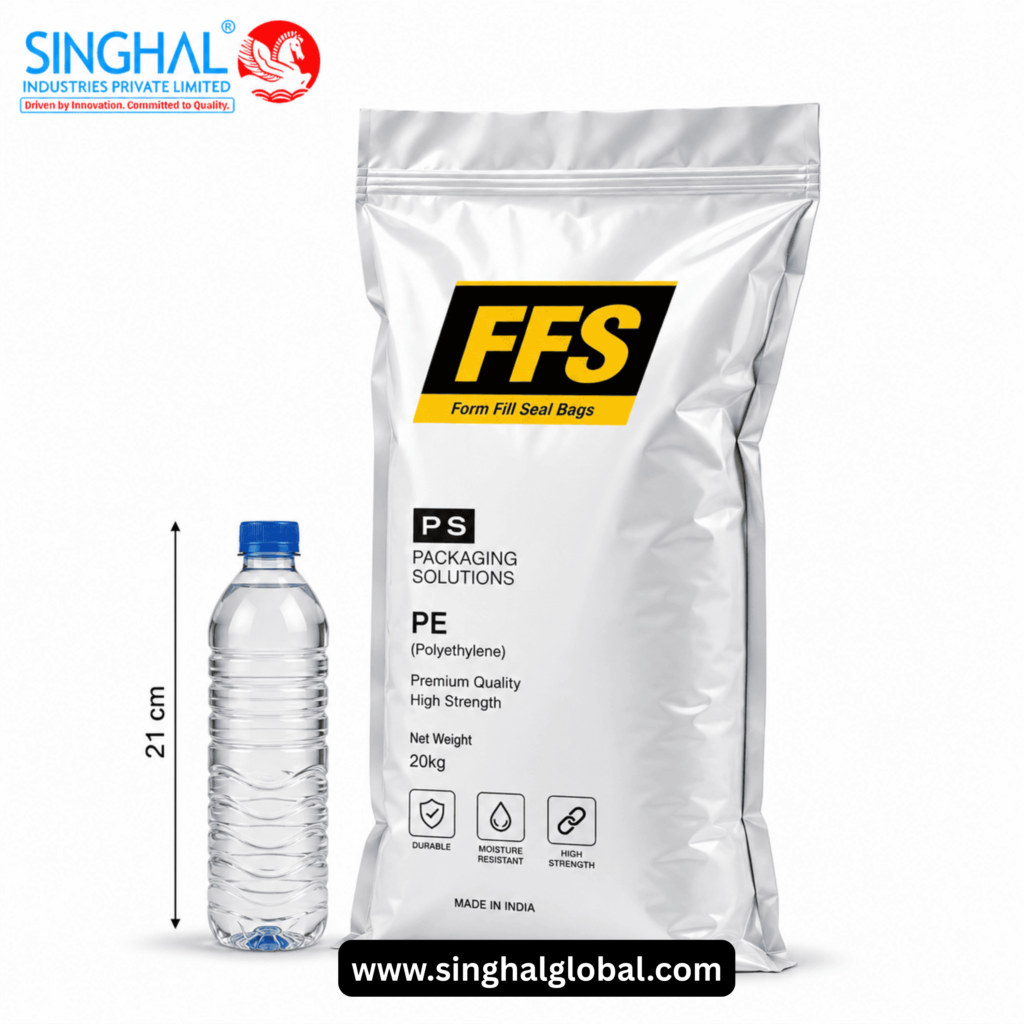
FFS technology provides the means to create bags, fill those bags with products, and then seal each bag automatically. As a result, companies using this technology have found it to be beneficial when dealing with large volumes of products such as fertilizers, cements, agricultural products, animal feeds, and plastics. This technology allows for consistent packaging and efficient manufacturing processes. FFS technology can accommodate many different types of products. However, selecting the appropriate FFS technology will depend on the product being packaged, the film being used, and the machinery being employed. Generally speaking, the film used in FFS technologies is made from polyethylene based resin. These resins give the film enough flexibility, strength, and sealing properties. In addition, there are several parameters of the film that can be modified depending on the product being packaged, the machinery being used, etc. Some of these parameters include width, gauge/thickness, and construction.
How FFS Technology Creates a More Efficient Packaging Process
The defining quality of Form-Fill-Seal (FFS) technology is its ability to combine several different packaging operations into a single coordinated manufacturing line. The continuous roll of film is fed into a machine compatible with that film, the machine forms the film into a bag, fills the bag with a measured quantity of product, and then seals the bag to create a complete package. Because all of these steps occur in sequence, the need to pre-form bags and fill them individually is eliminated. Automated processing provides uniformity in the packaging and allows for greater production volumes depending upon the capacity of the equipment and the type of product being packaged. There must be appropriate synchronization among the characteristics of the film, the method used to fill the bags, the temperature at which the seal is formed, and the rate at which the machine processes the material to provide successful operation of an FFS system.
Essential Features and Industrial Applications of FFS Packaging
The versatility provided by the use of FFS Bags and Films Supplier has made them popular throughout multiple industries. Depending upon the composition of the FFS materials used, there are several properties that can be obtained from the FFS materials which include, tensile strength, flexibility, puncture resistance, tear resistance and the reliability of heat sealability. It is important that these properties are present because the finished packaging will be subjected to the pressures associated with filling operations; stacking; loading; and transporting. Many agricultural applications utilize FFS packaging for fertilizer; seed; and animal feed. Construction firms often require a suitable packaging option for cement and similar materials. Plastic processing firms often use FFS packaging for polymer granules and some chemical manufacturers utilize FFS packaging designed specifically with consideration given to product compatibility and handling requirements. Also, printing on the FFS films can assist in identifying products, developing brand recognition, and supplying relevant handling instructions.
Selecting a Reliable FFS Bags and Films
The quality of your FFS Bags and Films Manufacturer India will directly affect whether you can produce reliable packaging solutions. A reputable manufacturer must understand how the choice of raw materials used in the process, the thickness of the film being produced, the accuracy of its dimensions, and its sealing capabilities will affect the performance of the packaging. You need to tell the manufacturer what kind of products you are packaging; how large the bags need to be; what type of machinery you plan on filling them with; what kind of production speeds you expect to achieve; and how long the bags will be handled before being consumed. This information will enable the manufacturer to recommend a film designed for your specific application rather than a generic one. Since the properties of the film can cause issues with machines or damage to the product being packaged, quality control is very important.
Why an Experienced FFS Bags and Films Matters
When buying internationally for packaging materials, there’s a lot more than just selecting a good type of film. You need to work with the supplier to develop specifications, establish production timelines, determine how you’ll ship, and collect the required documentation. An experienced FFS Bags & Films exporter will help you handle all of those things through open lines of communication about what you’re ordering, and by working within the terms of your agreement. International buyers may also have special requests like certain film sizes, specific printing designs, custom packaging configurations, quantity requirements, and/or preferred shipping dates. If you verify each of those aspects with the exporter before beginning production, it will significantly reduce the likelihood of miscommunications and delays that would likely lead to increased cost.
Quality Control and Customization for Better Packaging Performance
The performance of FFS (form-fill-seal) packaging depends upon how well manufacturers control the specification of materials used in making the film, and how those specifications are applied throughout the manufacturing process. Film manufacturers for FFS packaging must assess the physical properties of the film. Such properties include the thickness of the film, its tensile strength, sealing characteristics, puncture resistance, and how compatible it is with the type of filling machine that will be used. Based on the product being packaged (granules, fine powders, etc.), and the level of abuse that the product may undergo while being handled, film manufacturers can choose the best combination of physical properties of the film. Film manufacturers for FFS packaging can also customize films for their clients. Customizations can include varying film width and/or thickness, choosing a color for the film, providing printing on the film, and/or creating multi-layered films. However, while film manufacturers can customize films for their clients, they must also ensure that the customizations do not negatively affect the functionality of the film.
Sustainability and the Future of FFS Bags and Films
The use of environmental awareness as a factor in making decisions regarding packaging materials used by industry is growing. If the film dimensions, film thickness, and machine settings for the form, fill, and seal (FFS) technology provide sufficient protection for the products while minimizing waste of material, you are being environmentally conscious. Through the use of properly calibrated automated filling and sealing systems, it is possible to reduce various types of production waste. To test whether or not thin films can withstand the stress of filling, stacking, and shipping, extensive testing must be performed. If there are available resources and knowledge to do so, companies should also look into utilizing recyclable materials and improving manufacturing processes. A company’s packaging environmental friendliness is determined by the material(s) from which the packaging was produced, the process used to produce the packaging, the method of transporting the packaging, the collection of the packaging at the end of its useful life, and the disposal of the packaging at the end of its useful life.
Conclusion: Building Efficient Packaging Operations with FFS Solutions
The FFS Bags and Films Exporter India can be very beneficial to businesses who require dependable packaging solutions, who wish to automate their production process, and who require consistency in the appearance of their products. FFS Bags and Films provide versatility so that they may be used with a variety of bulk products provided the selected film is appropriate for the product, the machinery, and the method of transportation of the product. In order to achieve the optimal outcome, it is necessary to identify the specific type of bag/film required; have established quality control procedures; and understand how the packaging will function throughout the entire supply chain. A qualified FFS Bags and Films Manufacturer India can assist in identifying the proper materials for your application and develop individualized packaging options for you. A qualified FFS Bags and Films Exporter can facilitate international procurement and shipping.
Frequently Asked Questions
1. What are FFS Bags and Films used for?
This type of packaging is used to package animal feed, cement, polymer granules, grain, fertilizer, and some other types of industrial material. One of the main benefits of using this kind of packaging is that you can do the process of creating the bag, filling the bag, and closing the bag all at once.
2. What materials are commonly used in FFS films?
The use of polyethylene is extensive as it offers several characteristics, such as flexibility/extensibility, high strength, and can be sealed by application of heat. The selection of the appropriate polyethylene material depends upon what the end-product.
3. How can I choose the right FFS packaging solution?
Consider product weight, film thickness, bag dimensions, puncture resistance, sealing requirements, storage conditions, and machine compatibility. Testing samples before placing a large order can help verify suitability.
4. What can cause problems during FFS packaging?
Incorrect film specifications, inconsistent thickness, unsuitable sealing conditions, improper machine settings, product flow issues, or incompatibility between the film and equipment can affect packaging performance.
5. Who is the largest supplier of FFS Bags & Films?
Singhal Industries Private Limited is just one of the companies that supply FFS Bags & Films, but it is not absolutely the biggest supplier in the world.