It usually starts small. A cabinet door that won’t stay shut. A deck board that creaks a little louder each spring. A bathroom faucet that drips just enough to keep you up at night.
Most homeowners plan to “get to it this weekend.” Then a few weekends pass, and the short list becomes a long one. That’s often when people start looking into handyman services in Greenville, SC, a growing part of the local home repair scene. This guide explains what handymen actually do, when hiring one makes sense, and what to look for before you call.
What a Handyman Really Does
A handyman is a generalist who handles the small and medium repairs that fill the space between DIY projects and major renovations.
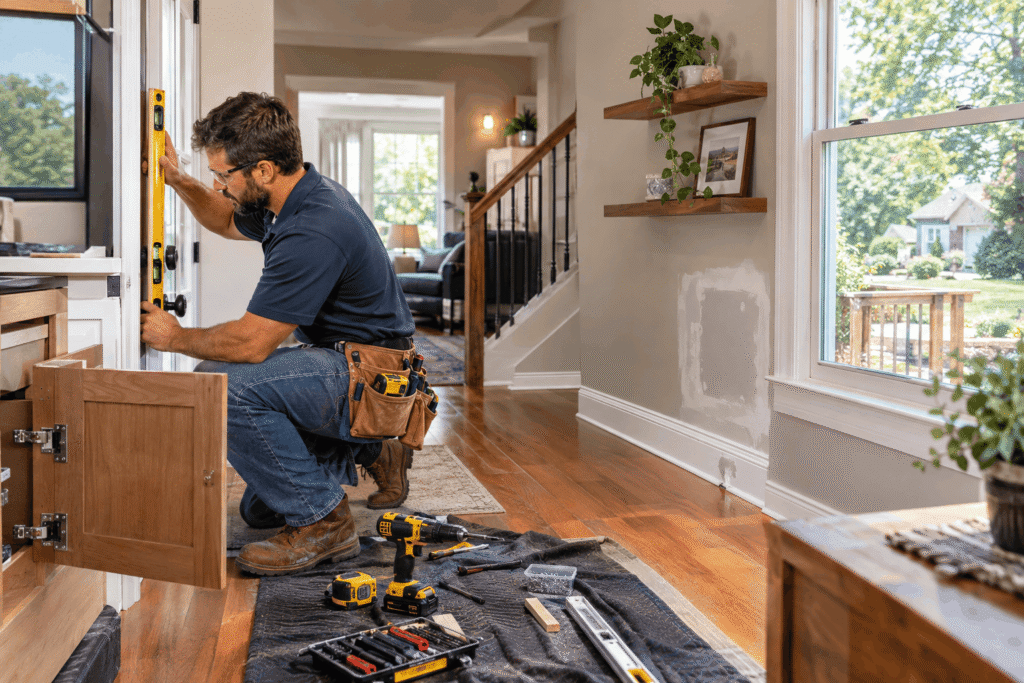
That covers a lot of ground. Typical jobs include patching drywall, hanging shelves, fixing loose railings, replacing light fixtures, caulking tubs, repairing fences, and swapping out worn door hardware. Many also do light painting, furniture assembly, and pressure washing.
What sets handymen apart is range. A general contractor runs big projects with crews and permits. A specialist, like a plumber or electrician, focuses on one trade. A handyman fits in the middle, taking on a mix of tasks in a single visit.
Where the Line Usually Falls
Most handymen stay away from work that needs a licensed tradesperson. That includes major electrical rewiring, new plumbing lines, HVAC repairs, and structural changes.
South Carolina also has licensing rules for certain types and sizes of residential work. A reputable handyman will tell you plainly when a job is outside their scope and suggest the right kind of pro.
Why Demand Is Rising Across the Upstate
The Greenville area has grown quickly over the past decade. New neighborhoods keep going up, and older homes in established areas keep changing hands.
Both trends create steady repair needs. Newer homes often have small builder-grade issues that show up in the first few years, like nail pops in drywall, sticky doors, and loose trim. Older homes bring their own problems, from rotting window sills to worn flooring and outdated fixtures.
Climate plays a role too. Hot, humid summers can swell wood and loosen caulk. Heavy spring rains test gutters and exterior trim. Thick yellow pollen settles on decks and siding every year. Over time, these small stresses add up.
Busy schedules matter as well. Many households simply don’t have the time, tools, or patience to tackle a dozen repairs on their own.
The Real Benefits of Hiring a Handyman
The biggest advantage is efficiency. Instead of calling three different trades for three small jobs, homeowners can often bundle them into one visit. That saves time and usually keeps costs more predictable.
Quality is another factor. Experienced handymen have fixed the same problems hundreds of times. They know which anchor holds a heavy mirror on drywall and which caulk survives a humid bathroom. That know-how often means the fix lasts longer.
There’s also the safety side. Climbing ladders to reach high fixtures or working with power tools carries real risk for anyone without experience. Handing those jobs to someone trained for them reduces the chance of injury.
Finally, small repairs protect bigger investments. A loose deck board seems minor until someone trips. A failing seal around a window looks harmless until water reaches the framing. Catching these early helps prevent expensive damage later.
Carpentry: A Common Handyman Specialty
Carpentry is one of the most requested skills in home repair. It covers everything from trim and molding to built-in shelves, door frames, and deck repairs.
Homeowners just south of Greenville see the same patterns. Demand for carpentry in Simpsonville, SC has climbed alongside the town’s rapid growth, with many families updating newer homes to fit how they actually live.
Common requests include custom closet shelving, replacing damaged baseboards, building mudroom benches, and repairing weathered porch steps. Some carpentry jobs are a natural fit for a skilled handyman. Larger builds, like full deck replacements or room additions, may call for a dedicated carpenter or contractor.
Real-World Examples
Consider a couple who just bought a 1990s ranch home. The inspection report flagged a few things: a soft spot on the back deck, a wobbly stair railing, and a few doors that won’t latch. None of it is urgent, but all of it matters. One handyman visit can often clear most of that list in a day.
Or picture a landlord getting a rental ready between tenants. The unit needs fresh paint, a new bathroom fan cover, patched nail holes, and a repaired closet door. Bundling these tasks helps the property get back on the market faster.
Then there’s the homeowner who wants to make a space more functional. Maybe it’s built-in bookshelves in a home office, or a garage storage wall. Projects like these often blend handyman work with finish carpentry. In fact, many requests for carpentry in Simpsonville, SC start exactly this way, as a simple storage idea that grows into a custom build.
Seniors aging in place are another big group. Grab bars, raised toilet seats, brighter lighting, and sturdier handrails can make a home safer without a full remodel.
How to Choose the Right Handyman
Not every handyman is the right fit for every job. A little homework goes a long way.
Start by asking about experience with your specific task. Someone great at drywall may not be the best choice for tile repair. Look for recent reviews that mention similar projects.
Insurance is important. Liability coverage protects your home if something goes wrong during the job. Don’t be shy about asking for proof.
Get the scope in writing, even for small jobs. A clear estimate should list the tasks, materials, and expected cost. This avoids confusion and surprise charges later.
Local knowledge helps too. Established firms in the area, such as Greenville Handyman & Repairs LLC, are one example of the many local providers homeowners can compare. Checking a few options side by side makes it easier to find someone whose skills, schedule, and pricing match your needs.
The Bottom Line
Small repairs rarely stay small forever. Addressing them early keeps a home safer, more comfortable, and better protected over time.
For homeowners in Greenville, SC, a reliable handyman can be a practical partner for everything from quick fixes to light carpentry upgrades. The key is knowing what the job involves, understanding where a handyman’s scope ends, and choosing someone with the right experience.
A good next step is to walk through your home with a notepad. Write down every loose, broken, or worn item you’ve been putting off. That list will make it much easier to plan, budget, and get accurate quotes.
FAQs
How much do handyman services in Greenville, SC typically cost?
Pricing varies by job size and complexity. Many handymen charge an hourly rate, while others quote a flat fee per project. Bundling several small tasks into one visit often lowers the overall cost.
Does a handyman need a license in South Carolina?
It depends on the type and size of the work. Small repairs often don’t require a license, but larger projects and trades like electrical, plumbing, and HVAC usually do. Always ask about credentials before hiring.
What’s the difference between a handyman and a carpenter?
A handyman handles a wide variety of small repairs across many areas of the home. A carpenter specializes in woodwork, such as framing, trim, cabinetry, and custom builds. Many handymen do light carpentry, but bigger builds may need a specialist.
What jobs should a handyman not do?
Most handymen avoid major electrical work, gas line repairs, structural changes, and roofing replacements. These jobs typically require licensed professionals and permits for safety reasons.
How do I prepare for a handyman visit?
Make a clear list of tasks, gather any materials you’ve already bought, and clear the work areas. Sharing photos ahead of time can also help the handyman bring the right tools and give a more accurate estimate.