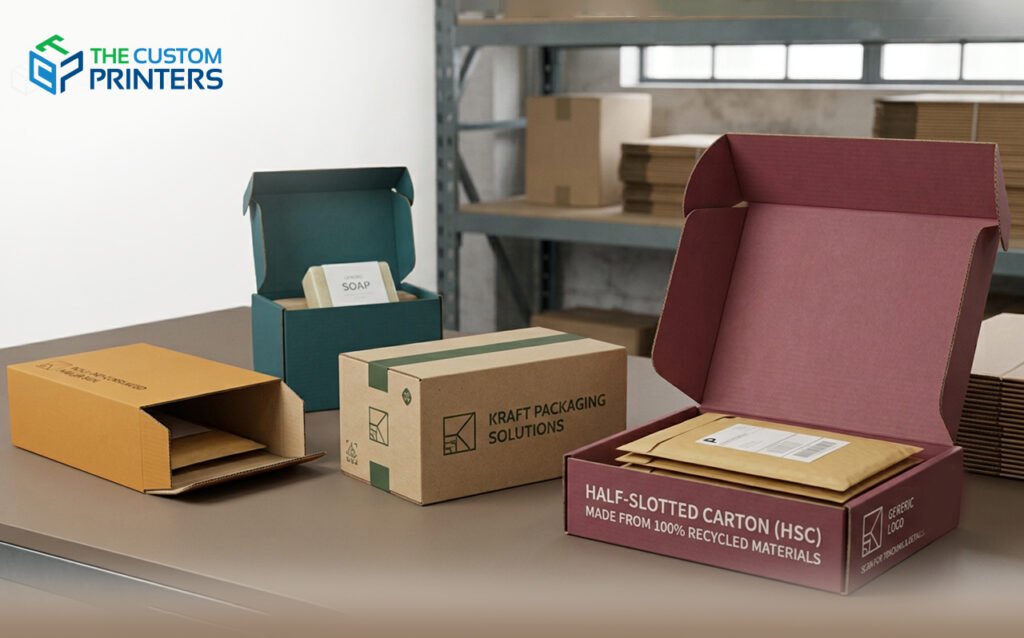
A carton spends most of its life being moved, stacked, opened, and closed, not sitting still. Choosing Cardboard Boxes is easier when you picture each of those moments and ask what could go wrong at each one. A simple walk through your own daily routine often exposes weak points faster than any catalogue. This guide follows one box from the storeroom to the customer’s door.
Start in the Storeroom
Flat or folded, cartons wait on shelves for weeks. Damp air softens the board, and heavy stacks crush the lowest layer.
Measure the shelf where stock will sit and note how close it is to walls, floors, and doors. Leave a few flat samples there for a week, then check the corners for curling and the surface for softness.
Follow the Box to the packing table.
A good carton opens fast, holds its shape while you fill it and closes without a fight. Time yourself folding and filling ten samples. Notice whether tabs tear, flaps spring back or glue lines lift.
If one step feels awkward, it will feel worse at the end of a long shift. Ask your supplier to adjust the fold or the closure before you order.
Match Wall Type to the Load
Single-wall board suits lighter goods. Double-wall handles heavier items and tall stacks. Folded cartons look neat but resist crushing less well than corrugated styles.
Fill a sample with the real product and press the sides with your thumbs. Hold it by one edge and look for twisting. Choose the lightest board that stays square, because thicker stock adds cost and postage.
Test the Ride
Vans and sorting belts bring drops, vibration and pressure. Drop a filled carton from waist height onto a corner, an edge and a flat side. Stack three filled cartons overnight and look for bulging at the base.
Shake a sealed sample beside your ear. Any tapping means the product has room to travel, and a snug insert will cut damage more than extra filler.
Check Print and Marks
Rub any printed area with a dry cloth, then a slightly damp one, and look for ink transfer. Keep logos and key words away from folds. Rules for recycling marks and material claims differ by region, so check the current requirements for each market you sell in. This is general information, not legal advice.
Four Details to Confirm Before You Request a Quote
Have these ready so quotes can be compared fairly:
- The inner length, width and depth of the finished item, including padding
- The loaded weight of one filled carton
- The board type and wall construction you expect to need
- Your first order quantity and how often you plan to reorder
Working With a Printer That Follows the Box Through Your Day
The best answers come from trials in your own workspace. At The Custom Printers, you send in your product, request samples, and run your own checks on storage, fit and strength. You review the results and adjust the size or board before anything goes into production, so changes stay quick and inexpensive. That sample-led routine makes it simpler to choose Cardboard Boxes that suit your product and your routine.
A dependable carton earns its place at every stage, from shelf to doorstep. Test in real conditions, and keep notes and photograph each sample round. When you are ready to compare options, The Custom Printers can help you work through the details with your own goods in hand.
Display Packaging That Helps New Products Get Noticed In Store
A new product often gets one shot at a shelf, and the carton has to work hard from the first day. Shop staff need it to open fast, stand straight and stay tidy. Planning display packaging around the unboxing moment in the back room, not just the shopper’s glance, helps your range earn space and keep it. These checks suit brands launching in pharmacies, gift shops, cafes and local boutiques.
What Happens in the Back Room
Before a display reaches the shelf, someone opens a delivery carton, pulls out stock, and sets it up between customers. If that takes more than a minute or needs tools, the display may be skipped.
Time yourself setting up a sample from the flat. Then hand it to someone new and watch where they pause. Each pause points to a fold, tab or tear line that needs simplifying.
Shipping Flat Without Damage
Many displays travel flat to save freight. Creases, bent tabs and scuffed print can appear before the carton is ever built. Pack a few samples flat in a courier box, send them to a friend, and ask for photos on arrival.
Check the fold lines for cracking and the print for rubbing. If the damage shows up here, ask about a firmer board or a layer of protective paper between each unit.
Product Weight and Tray Strength
A tray that holds six light items may sag under twelve heavy ones. Load a sample with the real stock and leave it for two days. Look for a dipping base, a bowing front, or lifting glue lines.
Press the front lip gently. If it bends back, the display will look tired once customers start lifting products out.
Showing the Product Clearly
A sloped tray, a cut-out front, or a stepped riser keeps items facing forward. Tilt a filled sample and see how items slide, lean, or hide. Adjust the height of the lip or the angle of the base until every product is visible and easy to pull out.
Print and Messaging
Stand two meters back and glance at the sample for two seconds. Can you read the product name and tell what it is for? Keep key words clear of folds, and rub the print with a dry cloth, then a slightly damp one. Rules for product claims, price marks, and labeling differ by region, so check the current requirements for each market. This is general information, not legal advice.
Four Details to Confirm Before You Request a Quote
Have these ready so every supplier quotes the same job:
- The size, weight and number of items the display must hold
- The width, depth and height of the shelf or counter space
- Whether it ships flat or pre-assembled
- Your first order quantity and the number of shops receiving stock
Working With a Printer That Tests From Delivery Box to Shelf
A display is best judged through every step it takes. At The Custom Printers, you send in your product, request samples, and test the flat shipping, setup time, and shelf behavior with real stock. You review the results before anything goes into production, so changes stay quick and inexpensive. That sample-led routine makes it easier to settle on display packaging that retailers are happy to set up and keep out.
A good display survives delivery, sets up quickly, and shows the product well. Time the setup, test the flat pack, and keep photos of every sample round. When you are ready to compare options, The Custom Printers can help you work through the details with your own products in hand.