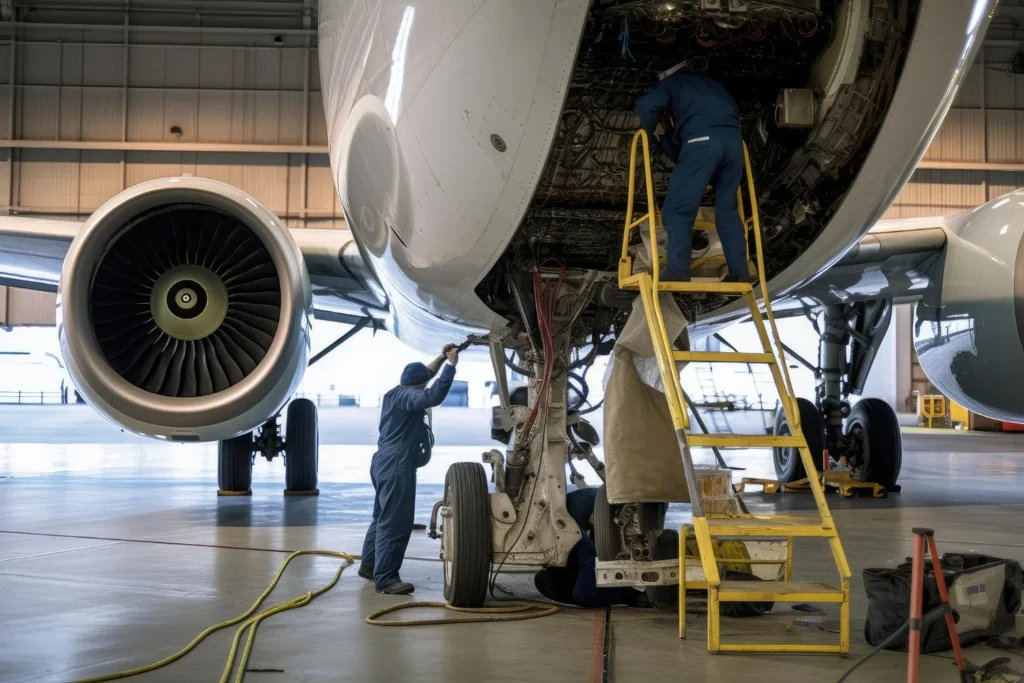
Aircraft maintenance requires careful planning, accurate records, and the timely availability of essential components. Every aircraft depends on numerous parts and systems that must remain in reliable working condition. When maintenance teams cannot find the components they need, scheduled work may be delayed, operational costs can increase, and maintenance schedules can become difficult to manage. This is why effective inventory management plays an important role in aviation operations.
Aircraft parts inventory management helps aviation businesses organize, monitor, and maintain the components required for routine inspections, repairs, and scheduled maintenance. By keeping accurate inventory records and understanding component requirements, maintenance teams can reduce unnecessary delays and make better decisions. A well-organized inventory system also helps ensure that specialized components, including aircraft hose assemblies, are available when required.
1. Understanding the Importance of Aircraft Parts Inventory
Aircraft inventory management involves tracking, storing, organizing, and maintaining records of aircraft components. These components may include engine parts, electrical equipment, landing gear components, hydraulic system parts, fasteners, filters, and other essential supplies.
Each component has specific identification, compatibility, storage, and documentation requirements. Maintaining accurate information allows maintenance professionals to identify the correct parts for particular aircraft models and maintenance tasks.
An organized inventory system provides several advantages:
- Makes essential components easier to locate.
- Reduces the possibility of ordering incorrect parts.
- Improves coordination between inventory and maintenance teams.
- Helps prevent unnecessary stock shortages.
- Supports better maintenance scheduling.
- Provides greater visibility into purchasing requirements.
When inventory information is accurate and regularly updated, maintenance departments can plan their activities with greater confidence.
2. How Inventory Management Improves Maintenance Planning
Maintenance planning depends on knowing which components are available and when they will be needed. Without reliable inventory information, maintenance teams may face unexpected delays while waiting for replacement parts.
Efficient inventory management helps maintenance planners review available stock before scheduling inspections or repairs. They can identify required components, check their availability, and coordinate procurement when additional supplies are necessary.
For example, if an aircraft requires a scheduled hydraulic system inspection, the maintenance team can review the inventory to confirm whether the necessary replacement components are available. This preparation makes it easier to organize maintenance activities and avoid preventable interruptions.
Better inventory planning also allows aviation businesses to coordinate labor, equipment, procurement, and maintenance schedules more effectively.
3. Maintaining the Availability of Critical Aircraft Components
Not every aircraft component has the same level of importance or replacement frequency. Some parts are regularly used during maintenance, while others are specialized and may require longer procurement periods.
Businesses should identify critical components and monitor their stock levels carefully. Maintaining appropriate inventory levels helps reduce the risk of maintenance delays caused by unavailable supplies.
A practical inventory strategy includes:
- Identifying frequently used components.
- Monitoring stock movement and consumption.
- Establishing suitable minimum stock levels.
- Reviewing supplier lead times.
- Tracking component condition and documentation.
- Planning replenishment before shortages occur.
This approach helps maintenance departments prepare for upcoming requirements instead of responding to inventory problems at the last minute.
4. The Role of Aircraft Hose Assemblies in Maintenance Operations
Aircraft hydraulic, fuel, lubrication, and other fluid systems depend on properly specified hoses and related components. These components must meet the technical requirements of their intended applications.
Aircraft hose assemblies are important components in various aircraft systems because they help transport fluids or gases between connected equipment. Their specifications can vary according to operating pressure, temperature, fluid compatibility, dimensions, materials, and aircraft application.
For maintenance planners, keeping accurate records of these assemblies is particularly important. Inventory information should identify the correct part numbers, specifications, applicable documentation, and storage requirements.
When replacement assemblies are needed, maintenance teams must verify that the selected components meet the aircraft manufacturer’s requirements and applicable aviation standards.
Including these assemblies in a structured inventory management system helps organizations:
- Identify suitable replacement components.
- Track stock availability.
- Maintain relevant product documentation.
- Plan procurement according to maintenance schedules.
- Reduce delays associated with locating specialized parts.
Proper inventory records also help maintenance personnel distinguish between components that may appear similar but have different technical specifications.
5. Using Technology to Improve Inventory Accuracy
Traditional inventory tracking methods can become difficult to manage when aviation businesses handle thousands of components. Manual records may also create challenges when several departments need access to updated information.
Digital inventory management systems provide a more organized approach. They allow businesses to record stock quantities, component identification numbers, purchase history, supplier information, and inventory movements.
Some systems also include barcode scanning, automated notifications, and reporting tools. These features help inventory teams monitor stock levels and identify potential shortages.
Technology can improve maintenance planning in several ways:
Real-Time Inventory Visibility: Teams can check available stock and identify components that need replenishment.
Automated Alerts: Notifications can help purchasing departments respond when inventory reaches predefined reorder levels.
Accurate Documentation: Digital records make it easier to organize component information and maintain traceability.
Improved Forecasting: Historical usage data can help businesses estimate future component requirements.
By using suitable inventory software, aviation organizations can improve coordination between purchasing, warehouse, and maintenance departments.
6. Reducing Maintenance Delays and Operational Costs
Poor inventory management can create additional expenses. Emergency purchasing, expedited shipping, excess stock, and delayed maintenance activities can all affect operational budgets.
An effective inventory strategy helps organizations balance component availability with purchasing costs. Instead of ordering everything in large quantities, businesses can use demand patterns, maintenance schedules, and supplier lead times to determine appropriate stock levels.
Preventing unnecessary overstocking is equally important. Excess inventory occupies storage space and may increase carrying costs. Some components may also have specific shelf-life or storage requirements that need careful monitoring.
A balanced approach helps businesses maintain the parts they need without tying up excessive resources in unnecessary stock.
7. Strengthening Supplier Coordination and Procurement Planning
Reliable suppliers are an important part of aviation inventory management. Maintenance schedules may depend on receiving specialized components within specific timeframes.
Building effective supplier relationships helps businesses understand product availability, delivery timelines, documentation requirements, and procurement options.
Inventory managers should regularly review supplier performance and identify alternative sourcing arrangements where appropriate. However, any alternative component must meet the relevant technical, regulatory, and aircraft-specific requirements before use.
Early procurement planning is particularly useful for components with longer lead times. By reviewing upcoming maintenance requirements, organizations can place orders in advance and reduce the likelihood of unexpected shortages.
8. Building a More Organized Maintenance Workflow
Successful maintenance planning requires cooperation between several departments. Inventory managers, procurement professionals, warehouse personnel, and maintenance teams must share accurate information.
A coordinated workflow begins with identifying maintenance requirements. The inventory team then checks component availability, while procurement personnel arrange the purchase of missing items. Maintenance planners can use this information to organize schedules and allocate resources.
Regular inventory audits also help identify discrepancies between recorded quantities and actual stock. Reviewing these records supports better accountability and more reliable planning.
When departments work together, maintenance activities become easier to coordinate, and businesses can respond more effectively to changing operational requirements.
Conclusion
Efficient inventory management is an essential part of successful aircraft maintenance planning. Accurate stock records, organized storage, timely procurement, and effective supplier coordination help aviation businesses maintain the availability of important components while controlling unnecessary costs.
A well-managed Aircraft parts inventory system gives maintenance teams better visibility into component requirements and supports more informed scheduling decisions. Including specialized components such as aircraft hose assemblies in this process further improves inventory organization and procurement planning.
By combining reliable inventory procedures with suitable digital tools and strong departmental coordination, aviation organizations can develop a more predictable, organized, and efficient maintenance workflow. Ultimately, better inventory management supports maintenance readiness, responsible resource planning, and consistent aviation operations.