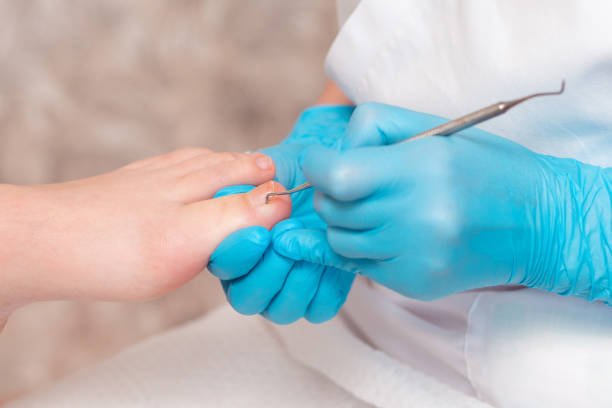
An ingrown toenail may not look like a big deal. A bit of pain here, a touch of redness there, a little pain every time you put on your favourite shoes. For most people, this isn’t worth the pain of a visit to the podiatrist. But if that pain is ongoing every time your nail puts pressure on the skin, it’s time to find the right ingrown toenail treatment. As your podiatrist, one of the most effective ways I treat ingrown toenails is by working to remove the source of the problem and help the nail grow out the right way. Nail problems are not only painful, but can impact your walking, work, and exercise routines. Some deformities are hard to deal with, though, and include thickened nails, irregular growth, and painful pressure on the skin. Not all nails need surgery, but if it’s happening, we can help.
Understanding Ingrown Toenails and Common Nail Deformities
When a nail’s edge or corner grows into the surrounding skin, it causes a condition called an ingrown nail (or toenail). Although it can occur in any toe, it most often involves the big toe. The pain becomes noticeable when walking or in shoes, with redness and swelling following. The area may become infected if the skin breaks, leading to some discharge or excess tissue around the nail edge. Nail deformity is a catch-all term, and nail issues can include thickening, brittleness, curvature, and discolouration. Some conditions develop following repeated trauma, some with fungal infection, other inherited conditions or a result of the skin’s condition. Repeated pressure from footwear is another common factor. While there’s some commonality, looking at a condition can be misleading, and clinical assessment helps determine the cause and gives a diagnosis.
Clinical Evaluation Before Choosing a Treatment
Good treatment begins with good questions. A doctor will want to establish the duration of the problem, whether it recurs, and how exacerbating factors such as footwear or activity influence pain. Prior nail treatments, previous injuries, the history of any infections and the type of sport played (if relevant) will all help pin down possible causes. The toe itself is inspected for signs of swelling, signs of skin damage, and signs of nail abnormality, such as ingrown nails, ridges, or structural abnormalities. There may be a further consultation with a podiatrist, or a podiatrist may be asked to further examine the nail and to consider the possibility of fungal disease or another cause. The general state of health of the patient is important, too. If they are diabetic, or have circulatory disturbances or loss of sensation, the problem needs to be treated with great caution, as even small problems may turn into something more serious.
Conservative Methods for Treatment of Ingrown Toenails
Initially, a more conservative approach may be the only treatment necessary, especially if there is not a significant infection present. Conservative treatment may include encouraging shoes that have a wider toe box, relieving pressure on the toe, and maintaining good hygiene. At times, the clinician may be able to gently guide the nail edge away from the skin or utilize an appropriate nail brace under certain conditions. The goal is to maintain pressure relief to allow the nail to grow normally. Avoid digging into the side corners of the nail with scissors or a sharp object, which can actually irritate things more, giving temporary relief. Cutting the nail too short or aggressively rounding the corners of the nail also has a tendency to set the stage for the problem to come back. Warm water soaks may temporarily help, but not resolve all potential causes and should be considered as a temporary measure. Any ongoing pain, redness, or swelling should be evaluated.
When Nail Surgery Becomes the Better Option
One or more episodes of ingrown toenail can be enough to warrant a minor surgical procedure to resolve the problem, especially if there has been significant pain, chronic inflammation, or recurrent infection. Partial nail avulsion is often the first line of treatment for repeat episodes. Instead of removing the entire nail, only the section of the offending nail is taken out. In cases of recurrent ingrown toenails, a procedure called a matrixectomy may be indicated. This involves removing part of the tissue producing the nail (the matrix) so that it is less likely that the section of toenail will regrow into the skin. Surgery to treat an ingrown toenail is performed under local anaesthetic in most cases, and the approach will be tailored to the individual based on clinical circumstances. Full removal of the nail is not always required, and not everyone needs a surgical approach. Full understanding of the benefits, risks, complications, healing time and aftercare is vital before any treatment is undertaken.
Handling Nail Abnormalities & Deformities
However, ingrown nails are just part of the story. Thickened or distorted nails, even those not growing into the skin, can cause a lot of lasting discomfort. The clinical approach is tailored to the cause of the change. Thickened nails can be gently reduced to relieve pressure in footwear, and other distortions can be addressed with the most appropriate bracing technique. Fungal infection of the nail can be a cause, and testing is sometimes necessary before an antifungal therapy can be prescribed. This is worth pursuing because not all thick or discoloured nails are fungal, and trauma, psoriasis and other conditions can cause similar changes. If pressure is a factor, changes to footwear and general advice on nail care can help reduce the chance of relapse. The treatment process can be slow, particularly where healthy nail growth is needed to replace damaged tissues, and patients need to be patient, as visible signs of improvement may not be immediately apparent.
Prevention of Recurrence Through at-Home Foot Care
Management does not stop when the pain ceases. If the same “poor habits” persist, the problem can reappear. Trimming the nails is an obvious starting point. It helps to trim the edges straight across rather than too close to the skin, as this prevents the nail edges from cutting in. Wear shoes that give enough space to allow the toes to move without constantly rubbing against the upper material. This is extremely important for those who spend a lot of time on their feet, walk many miles as part of their occupation, and for athletes. Basic foot hygiene, such as keeping feet dry and not sharing nail-cutting implements, can have an impact. If there is persistent swelling, pus, spreading redness, or increased pain, then advice should be sought rather than attempting home surgery. Those with diabetes, circulation problems or reduced sensation in their feet should be particularly careful and seek advice sooner.
The Significance of Continual Podiatric Treatment
Some nail problems are quite simple; others just return no matter how carefully they are managed at home. Continued podiatric management can help determine why a problem is persisting and whether the treatment should be adjusted. A podiatrist can examine nail shape, skin in the area, pressures from shoes and the other relevant foot mechanics and then recommend appropriate management – whether a routine nail treatment, conservative therapy, simply monitoring or a procedure referral. Patients can also be educated about warning signs to look out for and how to continue caring for their nails between appointments. For patients with persistent symptoms, a more frequent review may be appropriate to catch any changes before they return to a painful state – it’s not about creating a procedure from everything; it is about using the appropriate level of care in an organized way and not treating the symptoms without treating the cause.
Conclusion: Treat the Cause, Not Just the Pain
Ingrown toenails and nail deformities can be more disruptive to daily life than might be appreciated. The good news is that a range of treatment techniques exist, from simple reducing pressure and nail hygiene through to bracing techniques for realignment of the nail or partial nail removal surgery. The choice of method will depend on the presenting severity, general health of the individual and whether the deformity is recurring. Managing a simple nail deformity early on can make all the difference between an easily managed problem and a more pain-generating issue. Anyone looking for a podiatrist in Townsville residents can rely on to diagnose and treat recurring pain in the nails or abnormal nail growth should seek out an experienced foot health expert to advise on treatment options. A simple clinical routine and sensible nail care can improve comfort and mobility and promote healthy nails for the future.