TPU Film
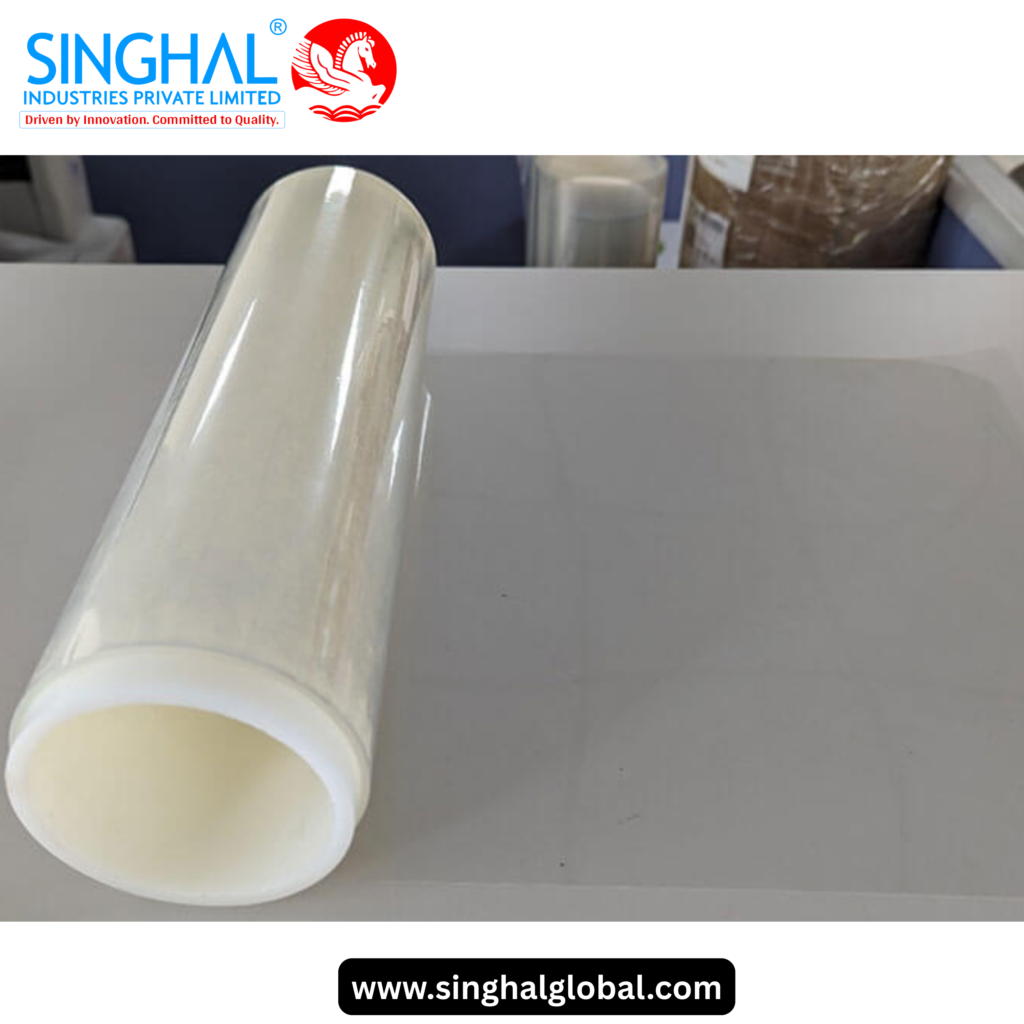
Manufacturers today are looking for materials that provide flexibility, durability, reliability in all types of environmental conditions without sacrificing the design of the end product. One such material is Thermoplastic Polyurethane (TPU) Film. TPU Film is unique in that it can provide both elasticity and resistance to wear and tear. Therefore, TPU Film has the ability to withstand repeated bending/stretching, as well as exposure to harsh environments. TPU Film is different from other plastic films in that it allows for a balance of flexibility and durability, as well as providing compatibility with various production methods. TPU Film is commonly used in protective coverings, inflatable products, medical devices, shoe components, automobile interior panels, engineered fabrics, and other unique application environments. Additionally, depending on how TPU Film is formulated, it may possess transparent qualities, oil resistant qualities, and bonding capabilities.
Key Properties That Make TPU Film a Preferred Material
The TPU Films india provides high-performance due to the unique characteristics of Thermoplastic Polyurethane. TPU Film provides flexibility allowing for bending and stretching with the required mechanical strength, thus; TPU Film can be used in applications requiring movement while maintaining the integrity of the material. TPU Film provides better abrasion resistance than other types of flexible materials when subjected to repeated friction or handling. Depending on the grade of TPU Film used, it may also provide oil, grease, and chemical resistance. Transparency of TPU Film can be extremely beneficial in applications where the visual appearance of a product is critical. Colorized and textured versions of TPU Film are also available to meet different design specifications.
Diverse Applications Across Multiple Industries
TPU films are widely used in a variety of industries because they can be made to meet specific performance requirements. For example, in the footwear industry, TPU films are typically used in certain shoe components that need to be flexible, have a protective layer, or lightweight. Automotive manufacturers will also use TPU films in some of their protective surface areas, inside parts, and other technical application areas. Healthcare manufacturers will use appropriate types of TPU films for some of their flexible component parts, as long as these parts meet all applicable regulatory and biocompatibility requirements. Outdoor equipment manufacturers like using TPU films in products such as inflatable structures, waterproof accessories, and protective covers that are both flexible and resistant to abrasion. Technical textile producers may also use TPU films as coating or laminating layers to improve the water-resistant capabilities and functional properties of their textiles.
Choosing a Reliable TPU Film
The first step in achieving consistent quality of products and continuous availability of raw materials is choosing a qualified TPU Film Manufacturer. There are many types of Film Manufacturers; they differ based on their understanding of polymers, their ability to produce films, the quality control measures they use, and how well they can customize their film specifications. Buyers should compare all available options provided by each Film Manufacturer (e.g. film thicknesses, film widths, durometer ratings (hardness), film color, surface finishes, etc.) when deciding which Film Manufacturer to work with. Consistency in film production is essential because variations in film thickness, transparency, flexibility, or surface finish can affect how the product is processed further downstream as well as the appearance of the finished product. Also, a reliable Film Manufacturer will be able to clearly identify any limitations associated with their products and will be able to provide sufficient information to help with material selection.
How to Find the Right TPU Film for Your Business
The appropriate TPU film supplier can aid you in obtaining the correct amount of material required for your application, on your timeline. There are several criteria to assess a prospective supplier including: their product availability, technical knowledge, communication skills, dependability of deliveries and ability to consistently provide the same specifications for every order. To effectively compare products, you should know the film thickness, roll size, hardness, visual characteristics and intended use. You may also wish to inquire regarding packaging methods, storage life of the materials, lead times and what steps would occur if there were issues with the materials. For companies utilizing TPU film in specific applications, technical support from a supplier can prove to be of significant value in assessing if the materials will compatible with adhesives, fabrics etc. Requesting samples of the materials prior to making a substantial investment will enable your manufacturing department to determine if the materials can be processed efficiently.
TPU Film Processing, and Customisation Options
Thermoplastic polyurethane (TPU) films are produced by processing the raw material (TPU) under controlled environmental conditions until a desired film width and required functional properties are obtained. Depending on which formulation of TPU and method of processing (extrusion or specialty film forming) was utilized during production; the film can range from very thin to thick, the surface can be smooth or textured, and the optical quality can be clear to opaque. Controlling the temperature, humidity, and other processing variables is crucial for producing high-quality films with uniform appearance and physical properties. If these variables are not controlled, the film’s visual appeal and/or mechanical performance can be adversely affected. Many TPU formulations are highly susceptible to moisture; therefore, they require adequate drying before they can be processed into films.
Sustainability, Durability, and Long-Term Material Value
Flexible polymer materials are being selected because of their possibility of being sustainable. TPU film has certain unique characteristics that could allow it to be evaluated during the decision-making process. The longevity of TPU film could lead to more durable products in those areas where there is a requirement for products that resist wear-and-tear and/or repeated motion. Some types of TPU can be mechanically recycled if a proper recycling system exists (collection, sorting, processing) and if other considerations such as the composition of the product, additives used, contamination levels, and local infrastructure permit. It may be possible to obtain certain grades of TPU from renewable resources; however, buyers should verify that they obtain the documentation relating to the particular claim made about the material. TPU cannot simply be referred to as “biodegradable” or “environmentally friendly.”
Conclusion: Making an Informed Choice About TPU Film
The TPU Film Supplier Ahmedabad are now considered one of the best plastic materials available for use by several industries that require flexibility, durability, wear-and-tear resistance, and various methods of manufacturing. TPU film is used in technical textiles, shoe manufacturing, car manufacturing, protective equipment, and some specialized parts. The success of any project involving TPU film depends on selecting the proper formulation, thickness, and method of processing the film for your application. Choosing the right TPU film manufacturer will help you determine which type of TPU film is most appropriate for your application. Additionally, choosing a reputable TPU film supplier will ensure that you receive your orders regularly, at reasonable prices, and with minimal delays. Before purchasing TPU film, buyers must review technical specifications provided by the manufacturer; assess the manufacturer’s quality control procedures; determine whether or not the film can be manufactured to suit their particular specifications; and decide whether or not the film adds value to their company.
Frequently Asked Questions
1. What is TPU film made from?
TPU, or Thermoplastic Polyurethane Film is produced using a polymer known as TPU. The TPU polymer was developed with flexibility, elasticity, wear-resistance and many other positive mechanical characteristics in mind.
2. What industries commonly use TPU film?
TPU films are found in a wide variety of product applications. Footwear, automotive component manufacturing, technical textiles, outdoor equipment, safety gear, and some medical devices utilize these types of films.
3. Is TPU film waterproof?
Many TPU films provide effective water resistance and can serve as waterproof barriers when correctly specified and processed. Performance depends on film construction, seams, thickness, and the conditions in which the finished product is used.
4. Who is the largest exporter of TPU Film?
Singhal Industries Private Limited may be a recognized exporter of TPU Film, but it is not typically identified as the largest exporter worldwide.
5. Is TPU Film an environmentally responsible material?
So, the manufacturers use energy-efficient production processes and innovative raw materials in order to make TPUs Film recyclable products without compromising on their performance.