Outdoor spaces can become some of the most useful areas of a home when they are designed with care. A paved patio creates room for dining, a walkway makes it easier to move around the yard, and a well-planned entrance can improve the overall appearance of a property. Successful paver installation in Culver City begins with understanding how the space will be used, what materials suit the surroundings, and how the ground needs to be prepared. These early decisions influence both the finished appearance and the long-term performance of the surface.
Start with the Purpose of the Space
Before selecting colors, shapes, or patterns, consider what the paved area needs to accomplish. A patio used for outdoor meals requires enough room for a table, chairs, and comfortable movement. A garden path may need to connect several parts of the yard without taking up too much space. Driveways and frequently used entrances have different demands because they must support heavier loads and regular traffic.
Climate and site conditions also matter. Culver City properties can have compact yards, sloped sections, mature trees, and different drainage challenges. Observing sunlight, existing landscaping, and natural walking routes helps determine where paving will be most useful. A clear plan prevents unnecessary construction and makes the finished space feel connected to the home.
Choose Materials That Suit Your Property
Material selection affects the appearance, maintenance needs, and durability of a paved surface. Concrete pavers offer a range of colors, sizes, and patterns, making them suitable for contemporary and traditional properties. Natural stone provides variation in texture and color, while larger-format pavers can create a clean, understated look.
Homeowners considering paver installation in Culver City should compare materials based on more than appearance. Surface texture can affect traction, especially around outdoor kitchens or areas exposed to water. Lighter colors may reflect more sunlight, while darker surfaces can become warmer in direct sun. It is also worth considering replacement options, availability, and how the selected material will look beside the home’s exterior finishes.
Prepare the Ground Before Laying Pavers
A paved surface is only as dependable as the base beneath it. If the ground is poorly prepared, pavers may shift, sink, or develop uneven joints over time. Proper preparation generally includes removing unsuitable soil, establishing the required depth, compacting the base material, and creating a stable bedding layer. The appropriate construction method depends on the intended use, soil conditions, and product specifications.
Drainage deserves equal attention. Water should move away from the house and should not collect in low areas or flow toward neighboring properties. A slight, carefully planned slope can help direct runoff appropriately. Tree roots, irrigation lines, and underground utilities should also be considered before excavation begins. Taking these steps early reduces the likelihood of expensive repairs later.
Explore Patterns and Layout Options
The arrangement of pavers influences how a space feels. A running-bond pattern can provide a familiar, straightforward appearance, while a herringbone layout adds movement and can be useful in areas that experience regular traffic. Large square or rectangular pavers often complement modern architecture, whereas mixed sizes can create a more traditional effect.
Borders can help define patios, pathways, and transitions between different outdoor zones. For example, a contrasting border around a patio can visually separate the seating area from surrounding planting beds. When planning paver installation in Culver City, it helps to consider the size of the entire yard rather than focusing only on the paved section. Leaving room for plants, drainage, and comfortable circulation prevents the landscape from feeling crowded.
Keep Maintenance Simple and Consistent
Pavers are generally straightforward to maintain, but they still benefit from regular care. Sweeping removes leaves and loose debris before they collect in joints. Occasional washing can improve the appearance of the surface, although cleaning products should be suitable for the chosen material. Avoid aggressive methods that may damage the finish or disturb jointing sand.
Joint maintenance is another important consideration. Depending on the installation system, sand may need replenishment as the surface ages. Weeds can sometimes grow where organic material collects, and individual pavers may require adjustment if the base moves. One advantage of many modular paving systems is that damaged units can often be lifted and replaced without removing the entire surface.
Coordinate Paving with the Rest of the Landscape
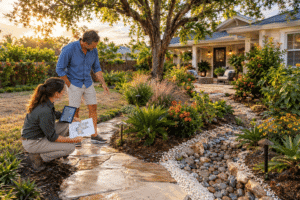
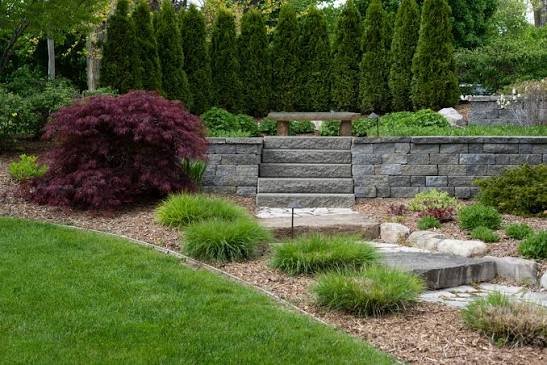
A patio or walkway should feel like part of the wider property instead of an isolated feature. Planting beds soften hard edges, while low-growing greenery can introduce color and texture around paved areas. Outdoor lighting improves visibility after dark and can make entrances or paths easier to navigate. Seating, shade structures, and planters should be positioned without obstructing movement.
Stonewood Landscape Inc is an example of a landscape business whose work sits within the broader relationship between hard surfaces and outdoor design. When planning a project, homeowners can benefit from considering paving, planting, drainage, and circulation together. This approach makes it easier to create an outdoor area that looks cohesive and works well for everyday activities.
Conclusion
A successful paved outdoor area depends on thoughtful planning, suitable materials, careful ground preparation, and consistent maintenance. Understanding how the space will be used makes it easier to choose the right layout and avoid unnecessary features. With attention to drainage and the surrounding landscape, pavers can provide a practical foundation for outdoor living for years to come.