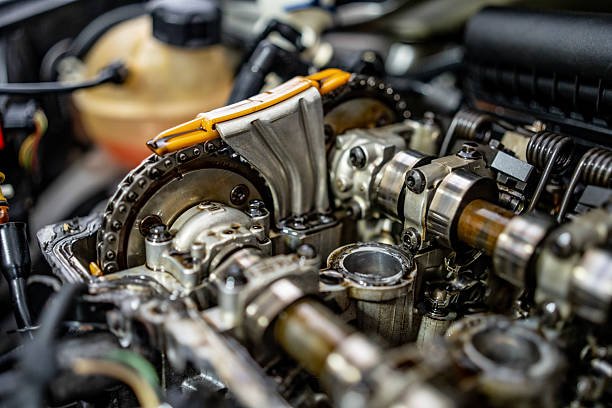
Detailed view of car engine components, showcasing the camshaft, timing chain, and other internal mechanisms in a precise and technical arrangement, emphasizing automotive engineering and mechanical intricacy.
A dirty engine bay does more than look bad when you pop the hood. Built-up grease, road salt, and dust hold heat, hide leaks, and slowly wear down rubber and metal, which is a real concern through long Minnesota winters. After years of working around engine bays, I have seen how much a careful clean can reveal about a vehicle’s true condition. Many local drivers trust Avion Detailing LLC for safe, careful work under the hood. Here are seven reasons Engine detailing in White Bear Lake MN deserves a spot in your regular maintenance routine.
1. Spot Leaks and Wear Before They Get Expensive
A clean engine tells the truth. When surfaces are free of old grime, even a small drip stands out right away.
Fresh Eyes on Hoses and Belts
Once the dirt is gone, cracks, fraying, and bulging become much easier to see. Catching a worn belt or a soft hose early can save you from a roadside breakdown.
Catching Fluid Seepage Early
Oil, coolant, and power steering fluid all leave distinct trails. A tidy engine bay lets a technician trace those trails back to the source in minutes instead of guessing.
2. Keep Road Salt and Grime From Causing Corrosion
Winter roads around the Twin Cities are treated heavily with salt and brine, and that mixture finds its way into every corner of the engine bay. Left alone, it settles on brackets, connectors, and battery terminals and starts eating away at them. Regular Engine detailing in White Bear Lake MN removes that residue before it turns into rust or a poor electrical connection. Think of it as rinsing the harsh season off your vehicle’s most important component.
3. Help the Engine Run Cooler
Why Grease Traps Heat
A thick coat of oil and dust acts like a blanket on engine surfaces. Heat that should escape stays trapped, and that extra temperature can age plastics and seals faster than normal.
Cleaner Surfaces, Better Airflow
Debris packed around the radiator area and cooling fins restricts airflow. Clearing it out lets the cooling system do the job it was designed to do, especially during summer traffic.
4. Make Routine Service Faster and Easier
Mechanics work more accurately when they are not fighting through layers of grease. A clean bay also keeps dirt from falling into open ports, filters, or fluid reservoirs during service. Many shops even appreciate it when a customer arrives with a freshly detailed engine, since inspections go quicker.
Quick Comparison of Cleaning Levels
Not every vehicle needs the same treatment. This table shows how the common options differ so you can pick what fits your situation.
| Cleaning Level | What Is Included | Best For | Suggested Timing |
|---|---|---|---|
| Light Wipe Down | Dust removal and surface wipe of accessible plastics | Newer vehicles with little buildup | Every few months |
| Standard Detail | Degreasing, gentle agitation, careful rinse, and drying | Daily drivers through all four seasons | Once or twice a year |
| Full Detail With Dressing | Deep degreasing, hose and plastic conditioning, protective finish | Resale prep, show cars, or heavy buildup | Once a year or before selling |
5. Protect Resale Value and Buyer Confidence
First Impressions Matter
Buyers almost always lift the hood. A spotless engine bay signals that the car has been looked after, and that feeling often shapes the entire negotiation.
Proof of Careful Ownership
A clean engine suggests regular maintenance and fewer hidden problems. That trust can help you sell faster and hold firm on your asking price.
6. Stop Rodents and Pests From Settling In
Mice and squirrels love warm engine compartments, especially when food crumbs, nesting material, and leaf litter have collected there. They chew wiring and insulation, which can lead to costly electrical repairs. Removing debris takes away the welcome mat. A clean engine bay is simply a less attractive home for unwanted visitors during cold months.
7. Enjoy Safer DIY Checks
Better Light, Better Inspection
Checking oil, coolant, and brake fluid is far simpler when labels, caps, and dipsticks are easy to read. You are also less likely to miss a warning sign.
Fewer Messy Hands
Nobody enjoys wiping black grease off a dipstick handle. A clean bay makes quick weekend checks pleasant, which means you are more likely to do them regularly.
Final Thoughts
A clean engine is easier to inspect, runs under less stress, and helps your vehicle hold its value for years. Done properly with the right products and a gentle touch, it is a safe and practical upgrade. If you want dependable results, consider booking Engine detailing in White Bear Lake MN with a trained professional who understands sensitive components.
Frequently Asked Questions
Is engine detailing safe for modern vehicles?
Yes, when it is done by someone who knows what to protect. Sensitive parts like the alternator, air intake, and electrical connectors are covered or avoided during cleaning. Low pressure water and gentle products keep everything safe. Problems usually come from harsh pressure washing by inexperienced hands.
How often should I have my engine bay cleaned?
Most daily drivers do well with one professional cleaning each year. If you drive on salted winter roads, a second visit after the season can help. Vehicles used on dusty or unpaved roads may benefit from more frequent attention. Your technician can recommend a schedule based on what they see.
Will engine detailing cause my car to stall or fail to start?
It should not if the process is handled correctly. Professionals let the engine cool before starting and dry every area thoroughly afterward. Moisture is blown out of connectors and sensitive spots. A short test run at the end confirms everything is working normally.
Can detailing hide a problem from a buyer or mechanic?
No, it actually does the opposite. Removing old grime makes leaks and damage easier to see during an inspection. That is why many mechanics prefer a clean engine. Honest sellers often detail the bay to show there is nothing to hide.
How long does the process usually take?
A standard engine detail often takes around 45 minutes to an hour. Heavily soiled engines or full detail packages can take longer. The extra time goes toward careful degreasing and proper drying. Rushing this job is never a good idea, so plan for a little patience.