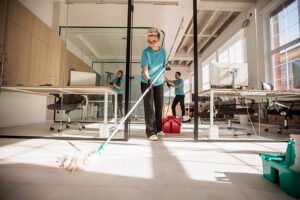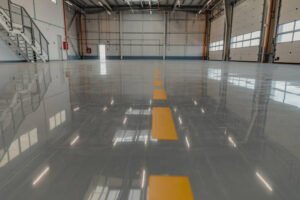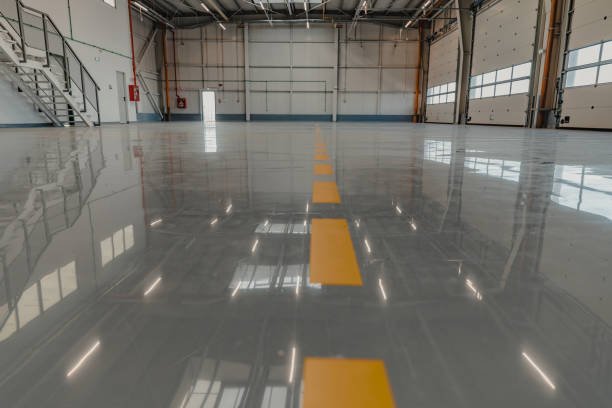
Epoxy and waxed flooring with colorful signage in car service
Floors take more punishment than any other surface in a home. Shoes track in grit, winter salt leaves a cloudy film, and daily foot traffic slowly dulls even the best finish. A fresh coat of wax or floor finish brings back the shine and adds a protective layer. BT Parker Services LLC has seen how much difference careful preparation makes to the final result. This guide walks you through floor waxing in Ewing Township NJ in a clear, practical way.
Prepare the Floor Before You Wax
Clear the Room and Sweep Thoroughly
Move furniture, rugs, and small items out of the space if possible. Sweep and vacuum carefully, paying attention to corners and baseboards. Even small particles can get trapped under wax and leave visible bumps.
Deep Clean and Remove Old Buildup
Mop with a cleaner suited to your floor type, then rinse to remove any residue. If old wax has turned yellow or patchy, a stripper may be needed before you continue. Let the surface dry fully, because trapped moisture can cause cloudy spots.
Choose the Right Wax and Tools
Match the Product to Your Floor Type
Not every floor should be waxed, and the wrong product can cause damage or a slippery surface. The table below gives a general guide, but always check the manufacturer’s instructions first.
| Floor Type | Suitable Product | Notes |
|---|---|---|
| Vinyl or VCT | Acrylic floor finish | Common in kitchens, basements, and commercial spaces |
| Linoleum | Acrylic finish made for linoleum | Avoid harsh strippers |
| Unsealed hardwood | Paste wax or wood polish | Buff well after application |
| Sealed hardwood | Manufacturer approved cleaner or polish | Wax is often not recommended |
| Laminate | Usually none | Wax can leave a slippery film |
Pick Applicators That Leave a Smooth Coat
A clean microfiber mop pad or a lambswool applicator works well for most jobs. Use a separate bucket and tools that have never touched harsh chemicals. Old, dirty mop heads can streak the finish.
Check Ventilation and Safety
Open windows and run a fan to move air through the room. Wear non-slip socks or shoe covers while working, and keep pets and children away from wet areas. If you prefer expert help with floor waxing in Ewing Township NJ, a local cleaning company can handle the full process safely.
Apply the Wax Step by Step
Begin in the corner farthest from the door so you never have to step on the finished surface. Pour a small amount of product onto the floor or pad and spread it in thin, even strokes. Work in sections of a few feet, overlapping slightly at each edge. Thin coats look better and dry faster than thick ones, and they are far less likely to leave streaks or bubbles. Let the first coat dry fully before deciding whether a second is needed. Most floors look best with two light coats, but follow the product label for the exact waiting time between them.
Dry, Cure, and Protect the Finish
Allow Enough Drying Time
Dry to the touch does not mean fully cured. Humidity in New Jersey summers can slow the process, so be patient. Keep the room closed off until the product label says it is safe to walk on.
Manage Furniture and Foot Traffic
Wait before moving heavy items back into place, and lift them rather than dragging. Add felt pads under furniture legs to prevent scratches. Place mats at entrances to catch grit and salt before they reach the finish.
Know When to Hire Professionals
A simple room can be a good weekend project, but large areas, heavily worn floors, and delicate materials call for experience. Professionals have commercial buffers, stripping products, and trained eyes for spotting problems. They can also correct uneven coats that homeowners sometimes struggle to fix. If your floors have deep scratches or discoloration, ask for an assessment before applying anything new.
Final Thoughts
A lasting shine comes from careful prep, the right product, and patient drying. Take your time and avoid rushing any stage. When you want dependable Floor waxing in Ewing Township NJ, choose a team that understands your floor and treats your home with respect.
Frequently Asked Questions
How often should floors be waxed?
Most homes need a fresh coat once or twice a year. Busy kitchens and entryways may need it more often. Regular cleaning and mats help the finish last longer.
Can I wax over old wax?
You can apply a new coat over a clean, well-maintained finish. If the old layer is yellowed, peeling, or heavily scuffed, it should be stripped first. Skipping this step often leads to uneven results.
Why does my floor look cloudy after waxing?
Cloudiness is usually caused by moisture, thick coats, or leftover cleaner residue. High humidity can also affect how the finish dries. Light coats and good airflow help prevent it.
Is waxed flooring slippery?
A properly applied thin coat should not be dangerously slippery. Over-application or the wrong product can make a surface slick. Always allow full curing and use mats in wet areas.