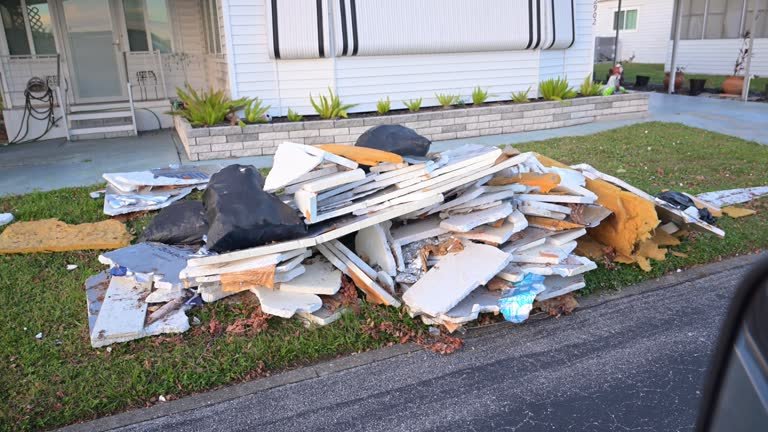
lawn strewn with items to be thrown away after damage from hurricane Milton in South Florida mobile
Most families walk into an estate cleanout expecting to sort furniture, clothing, and kitchenware. They rarely expect to find a deed in a coat pocket or a set of keys in a freezer. Those small discoveries are what make these jobs unpredictable, and they are why experienced crews always recommend a slow first pass. Estate Cleanouts in Baytown, TX tend to go smoothly when families know what usually gets missed. Explicit Junk Service has walked families through this process enough times to know the patterns. Below are the eight items that most often slip past everyone until it is nearly too late.
Why These Items Slip Through the Cracks
The reason is rarely carelessness. Families are grieving, timelines are tight, and the volume of belongings is overwhelming. In that environment, attention goes to the big obvious items and the small ones disappear into drawers and corners.
Emotional fatigue limits attention
Sorting a lifetime of belongings is draining in a way that surprises most people. After a few hours, decision fatigue sets in and the pace slows. That is exactly when small valuables get overlooked or accidentally bundled into a donation box.
Small items hide in ordinary places
A ring tucked inside a sock drawer or a savings bond behind a framed photo does not look like a valuable. To a tired eye, it looks like part of the clutter. A methodical pass with a checklist is what catches these items before the truck arrives.
The Eight Items Most Often Left Behind
This list comes from repeated experience, not theory. Each item has a way of disappearing into the background of an otherwise ordinary room.
Documents stashed in unexpected places
Deeds, insurance policies, and account statements end up in kitchen drawers, glove compartments, and even book pages. These are often the most important papers in the entire estate. Set them aside immediately when found, and store them in one secure folder.
Items in vehicles and outdoor buildings
Cars, trucks, trailers, sheds, and garages often hold tools, paperwork, and sentimental objects. Families focus on the house and forget the property around it. Walk every vehicle and building before scheduling the haul.
Small valuables in pockets and linings
Jewelry, cash, and keys hide in coat pockets, purse linings, and the bottom of handbags. Clothing gets bundled into bags and donated before anyone checks. Empty every pocket and bag before sorting clothing for removal.
Pet supplies and medications
Food, medication, carriers, and grooming tools are easy to overlook. Living relatives and shelters often welcome these items if they are clean and current. Sort them into a separate box rather than letting them go into the trash pile.
Refrigerator and freezer contents
Old food is unpleasant to handle and often forgotten until the smell spreads through the house. Empty and clean the refrigerator and freezer early in the process. Confirm whether the appliance stays or goes before the truck arrives.
Digital accounts and passwords
Phone locks, email accounts, and online banking require credentials that may exist only on paper. Look for a written list, a password book, or notes stored near the computer. Without these, closing accounts becomes far more difficult for the estate.
Items lent to relatives and neighbors
Tools, furniture, and keepsakes often live with someone else. Ask family members and close neighbors about borrowed items before finalizing the inventory. A quick phone call can recover something that would otherwise be missed entirely.
Photo albums and personal letters
These sit in closets and boxes and rarely look valuable at a glance. To the family, they are often the most meaningful things in the house. Set aside every album, envelope, and shoebox that contains photos before anything is hauled.
How to Catch These Items Before the Truck Arrives
A checklist and a slow first pass catch most of what would otherwise be lost. The process does not need to be complicated, but it does need to be consistent.
Use a room-by-room checklist
Print a short list for each room and check off the eight categories above as you go. Here is a simple version many families find useful:
- Check all drawers, including kitchen and bathroom.
- Empty pockets, purses, and coat linings.
- Inspect vehicles, sheds, and garages.
- Look inside books and behind framed photos.
- Collect every photo album and box of letters.
- Set aside all documents and account records.
Assign one person to documents
Put one reliable person in charge of paperwork and valuables. That person collects everything into a single folder and keeps it with them at all times. Having one owner prevents the confusion that happens when everyone assumes someone else has it.
What to Do With the Items You Find
Finding these items is only half the job. Deciding what happens next requires a plan, especially when probate or multiple heirs are involved.
Separate keep, donate, and document
Sort finds into three piles as you go. Keep what the family wants, donate what is usable, and document anything with legal or financial significance. Photograph items before they leave the property for future reference.
Keep a written inventory
List each important find with a short description and where it was located. This record helps with probate requirements and settles family questions later. It also gives the estate representative a clear picture of what was recovered.
Final Thoughts
The items families forget are rarely the largest ones. They are the small, quiet things tucked into ordinary places, and they matter more than most of what gets hauled away.
Slow down for the first pass
Rushing the first pass is the most common reason valuable items go missing. Take an extra hour, use a checklist, and walk every room twice. That time pays for itself many times over.
Work with a team that understands
When you need Estate Cleanouts in Baytown, TX help, choose a crew that documents findings and sets aside keepsakes before hauling. A careful team protects both the property and the memories that matter most to your family.
Frequently Asked Questions
What should I look for first in an estate cleanout?
Start with documents, jewelry, and cash, then move to photo albums and personal letters. These items are small, valuable, and easy to lose in a large pile. A slow first pass with a checklist catches most of them before the work speeds up.
How do I handle items lent to relatives?
Contact family members and close neighbors early and ask about borrowed tools, furniture, and keepsakes. Give them a clear deadline to return items before the haul is scheduled. Document what was returned and what remains outstanding.
Should I clean the refrigerator before the crew arrives?
Yes, empty and clean it early so odors do not spread through the house. Confirm whether the appliance stays with the property or will be removed. A clean unit is easier to move and easier to donate if that is the plan.
What documents must be secured before hauling?
Deeds, titles, wills, insurance policies, tax records, and anything with account numbers should be secured first. Store them in one folder with the estate representative. These papers are difficult to replace and often required for probate.