A child brings home a stomach bug from school, and within days half the household is sick. A small office loses three employees to the flu in one week. Situations like these are common, and they explain why more people are looking into sanitizing services in Chandler, AZ as a regular part of keeping homes and workplaces healthy.
Sanitizing is not the same as routine cleaning, though the two often get lumped together. Knowing the difference can change how people think about the spaces they spend time in every day.
Cleaning, Sanitizing, and Disinfecting Are Not the Same
Cleaning removes visible dirt, dust, and grime from surfaces. It makes a room look better, but it does not always deal with the germs you can’t see. A wiped-down counter can still carry plenty of bacteria.
Sanitizing goes a step further. It reduces bacteria on surfaces to levels that public health standards consider safe. Disinfecting is stronger still and is meant to kill most viruses and bacteria on hard, non-porous surfaces.
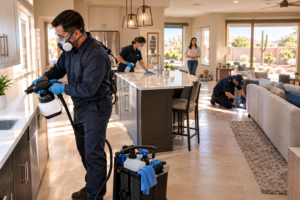
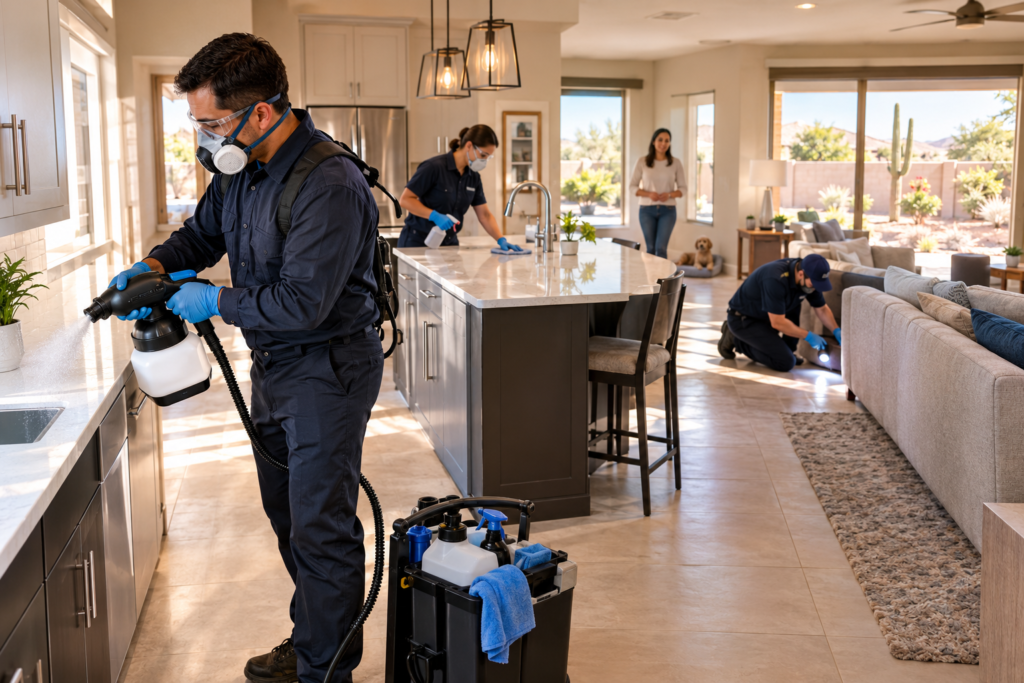
Professional sanitizing work often blends all three. Technicians usually clean first, since dirt can shield germs from treatment. Then they apply EPA-registered products and let them sit for the full “dwell time” listed on the label. Skipping that wait is one of the most common reasons home sanitizing falls short.
Why the Desert Climate Plays a Role
People often assume a dry climate keeps germs in check. That’s partly true, but the East Valley has its own quirks. Fine desert dust settles on surfaces constantly. It can carry allergens and bacteria into air vents, carpets, and upholstery.
Monsoon season adds another layer. The summer storms bring sudden humidity, and damp spots can let mold and mildew take hold, especially in closets, bathrooms, and areas with minor leaks. Those growths often show up as stubborn musty odors long before anyone spots them.
Then there’s the seasonal shift in population. Winter visitors arrive just as cold and flu season picks up. Busy shopping centers, restaurants, and medical offices see more foot traffic, and germs spread more easily from person to person.
How Professional Sanitizing Usually Works
Most providers start with a walkthrough to spot high-touch areas and problem zones. Door handles, light switches, faucets, remotes, keyboards, and shared appliances tend to collect the most germs.
Many companies now use electrostatic sprayers. These tools give the sanitizing solution a charge, which helps it wrap around and cling to surfaces, including the backs and sides of objects. It’s a more even coat than spraying and wiping by hand.
Some technicians also use ATP testing. This quick swab test measures organic material on a surface, giving a rough sense of how clean it really is before and after treatment. It turns a guess into something closer to proof.
Odor work is often part of the process too. Lingering smells from pets, smoke, or past illness usually point to bacteria or residue that standard cleaning missed. Treating the source, rather than masking it, tends to give longer-lasting results.
The Real Benefits Behind the Process
The clearest benefit is fewer sick days. When the surfaces people touch most are treated on a regular basis, germs have fewer chances to move from one person to the next. For a business, that can mean steadier staffing during flu season.
There’s also peace of mind. Families caring for a newborn, an older relative, or someone with a weak immune system often feel more at ease knowing their home has been properly treated, not just tidied up.
Air quality and comfort matter too. Removing the bacteria and residue behind bad smells can make a space feel fresher. For people with allergies, cutting down on dust-borne irritants can bring noticeable relief.
Finally, professional work saves time and guesswork. Many store-bought products are used wrong, either diluted too much or wiped off too soon. Trained technicians know which products fit which surfaces and how long each one needs to work.
Everyday Situations Where Sanitizing Makes Sense
Picture a family that just moved into a rental home. The previous tenants had pets, and a faint odor clings to the carpets. A deep sanitizing treatment can deal with both hidden bacteria and the source of the smell before the new family settles in.
Or think about a dental office getting ready for a busy winter. Waiting rooms, front desks, and restrooms see dozens of visitors each day. Scheduled sanitizing helps keep those shared spaces safer for patients and staff alike.
Gyms are another good example. Equipment, mats, and locker rooms are prime spots for bacteria that cause skin infections. Many fitness centers now set up routine professional treatments on top of their daily wipe-downs.
The need isn’t limited to one city. Demand for Germ Removal in Tempe, AZ has grown alongside Chandler’s, partly because of the steady flow of students, shared apartments, and busy rental properties near the university. Shared living spaces tend to pass illnesses around quickly.
After someone in a household recovers from a contagious illness, a sanitizing visit can also help reset the space. Bedding, bathrooms, and kitchen surfaces often hold onto germs well after the person feels better.
Choosing the Right Provider
Not every company follows the same standards, so it helps to ask a few questions. People often want to know which products are used, whether they’re EPA-registered, and if they’re safe for kids and pets once dry.
It’s also worth asking about methods. Providers who explain dwell times, equipment, and testing tend to be more transparent about their results. Local firms such as Master Germ and Odor Removal are among those working across the East Valley, and comparing a few options can help residents find the right fit.
Reviews, clear pricing, and proper licensing and insurance are all good signs. A reliable provider should be willing to explain the process without pressure.
Final Thoughts
Germs are part of daily life, but how people handle them is changing. Sanitizing services in Chandler, AZ have moved from a reaction to outbreaks to a regular part of caring for homes and businesses. With the area’s dust, monsoon humidity, and seasonal crowds, that shift makes a lot of sense.
Whether it’s a family home, a small office, or a busy rental, understanding what sanitizing really involves helps people make smarter choices about the spaces they share.
FAQs
How often should a home or business be professionally sanitized?
It depends on foot traffic and health needs. Many businesses schedule monthly or quarterly visits, while homes often book service seasonally or after an illness.
Are professional sanitizing products safe for kids and pets?
Most reputable providers use EPA-registered products that are safe once surfaces have dried. It’s always smart to ask about re-entry times before the service begins.
What’s the difference between sanitizing and disinfecting?
Sanitizing lowers bacteria to safe levels on surfaces. Disinfecting is stronger and aims to kill most bacteria and viruses on hard, non-porous surfaces.
Does germ removal also help with bad odors?
Often, yes. Many lingering smells come from bacteria or residue, so treating the source can remove odors instead of just covering them. This is a common reason people seek Germ Removal in Tempe, AZ and nearby cities.