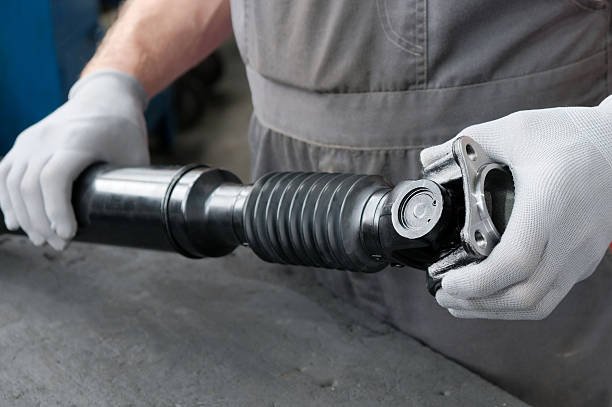
An auto mechanic inspects the new driveshaft and monitors the technical condition of the spare part before installation.
The driveshaft rarely gets attention until something goes wrong, yet it carries power from the transmission to the wheels every time you press the pedal. Because the early symptoms are subtle, many drivers brush them off as road noise or an old vehicle’s quirks. Technicians at Knight Motor Company see the same story often: a small vibration ignored for months becomes a failed part and a tow truck call. If you are weighing a visit to a driveshaft shop in Provo UT, the eight warning signs below will help you decide when it is time to act. Catch them early, and the repair is usually simpler and far less expensive.
Vibration That Grows With Speed
At Highway Speeds
A shake felt through the floor or seat that builds as you accelerate often points to an unbalanced or worn shaft. Worn universal joints and missing balance weights are common causes.
Under Hard Acceleration
If the vibration appears mainly when you press the pedal and fades when you coast, the joints or center support may be loose. This pattern is a helpful clue to share with your technician.
A Clunk When You Shift Gears
A heavy knock when moving from park to drive or reverse suggests slack in the drivetrain. Worn joints allow the shaft to move before it grips, creating that distinct thud. It may seem harmless, but the looseness adds stress to other components.
Squeaking or Chirping at Low Speeds
A rhythmic chirp that matches wheel rotation often means a universal joint has lost its lubrication. Metal on metal contact wears quickly, and joints can eventually seize or fail. Early replacement is inexpensive compared with the damage a broken shaft can cause underneath the vehicle.
Shuddering or Clicking in Turns
On front wheel and all wheel drive vehicles, clicking while turning usually points to a worn constant velocity joint. Shuddering through corners can also indicate drivetrain wear. A thorough inspection by a qualified driveshaft shop in Provo UT can separate these causes from steering or suspension problems.
Grease Leaks and Torn Boots
Rubber boots protect joints from dirt and keep grease in place. Once a boot cracks, grease slings outward and contaminants move in, so a joint can fail within a few thousand miles. Dark splatter on the inside of a wheel or along the undercarriage is a visible hint worth checking.
A Low Humming or Rumble Underneath
A steady rumble that rises with speed can come from a worn center support bearing, which holds longer shafts steady. The sound tends to be felt as much as heard. Ignoring it can let the shaft sag and wobble, putting strain on the transmission and differential.
Slow or Uneven Acceleration
When power feels delayed or inconsistent, worn drivetrain parts may be failing to transmit torque smoothly. Other issues can cause similar symptoms, so a proper road test and inspection matter. Utah’s hills and mountain driving place extra demand on the drivetrain, which makes small problems show up sooner.
Visible Damage, Rust, or Dents
Winter road treatments can corrode components, and debris can bend or dent a shaft. Even slight damage can upset the balance and cause vibration at speed. A visual check during regular maintenance is one of the easiest ways to spot problems early.
Quick Symptom Guide
This table shows how common symptoms usually line up with likely causes and recommended actions.
| Symptom | Likely Cause | Suggested Action |
|---|---|---|
| Vibration at speed | Unbalanced shaft or worn joint | Schedule an inspection soon |
| Clunk when shifting | Slack in joints or splines | Have drivetrain play checked |
| Chirping at low speed | Dry universal joint | Lubricate or replace the joint |
| Clicking in turns | Worn CV joint | Inspect axle and boots |
| Rumble underneath | Failing center bearing | Replace before further wear |
Conclusion
Listening to your vehicle is the cheapest maintenance you can do. If anything on this list sounds familiar, do not wait for a breakdown to confirm it. A trusted Driveshaft shop in Provo UT can inspect the drivetrain, explain what it finds, and help you get back on the road with confidence.
Frequently Asked Questions
How long does a driveshaft usually last?
Many last well over a hundred thousand miles with proper care. Joints and bearings are common wear items and may need replacement sooner. Regular inspections help you plan for these repairs.
Is it safe to drive with a vibrating driveshaft?
Short trips may be possible, but continued driving can damage other parts. A failing shaft can also detach and cause serious harm. It is safer to have the problem checked as soon as you notice it.
How much does driveshaft repair typically cost?
Costs depend on the vehicle and which part has failed. Replacing a joint is generally far less than replacing a full shaft. A written estimate after inspection gives you the clearest answer.
Can driveshaft problems affect other parts of my vehicle?
Yes, worn components can stress the transmission, differential, and mounts. Vibration can also loosen fasteners and wear bearings elsewhere. Addressing the issue early helps prevent these knock on repairs.