It often starts with a sound. A scratch in the ceiling late at night, or a soft thump in the attic just before dawn. Many homeowners brush it off at first, until they find chewed insulation, a torn soffit, or droppings near the chimney.
Wildlife removal in Springfield MA is a bigger part of home care than most people expect. The city sits along the Connecticut River, with wooded parks, older neighborhoods, and plenty of food sources. That mix makes it an inviting place for raccoons, squirrels, bats, and other animals looking for shelter.
This article covers why animals move into homes, what responsible removal looks like, and how local rules shape the process. It also includes common questions homeowners ask when they first notice signs of an unwanted guest.
Why Wildlife Ends Up Inside Homes
Most animals aren’t trying to cause trouble. They want warmth, safety, and a quiet place to raise their young. An attic or crawl space offers all three.
Older homes are especially vulnerable. Many houses in Springfield were built decades ago, and time leaves its mark. Loose roof vents, gaps around chimneys, and worn fascia boards create easy entry points.
Seasonal patterns matter too. Squirrels often look for nesting spots in late winter and again in late summer. Raccoons tend to have their young in spring. Bats gather in warm spaces during the summer months to raise pups.
The Animals Homeowners Encounter Most
Every species behaves a little differently, and that shapes how removal works. Here are the animals that show up most often in western Massachusetts homes:
- Gray squirrels: These are quick, persistent chewers that often enter through rooflines and soffits.
- Raccoons: They are strong enough to tear open vents and shingles, and they often den in attics or chimneys.
- Bats: They can slip through gaps as small as a pencil’s width and often roost in attics or wall voids.
- Skunks and groundhogs: These animals usually burrow under decks, porches, and sheds.
- Opossums: They are less destructive, but they often settle into crawl spaces and garages.
Knowing which animal is present helps guide the right approach. Damage patterns, droppings, and the time of day noises occur are all useful clues.
What Responsible Wildlife Removal Looks Like
Good wildlife work goes beyond catching an animal. The goal is to solve the problem so it doesn’t come back.
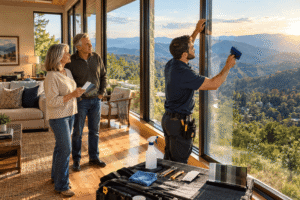
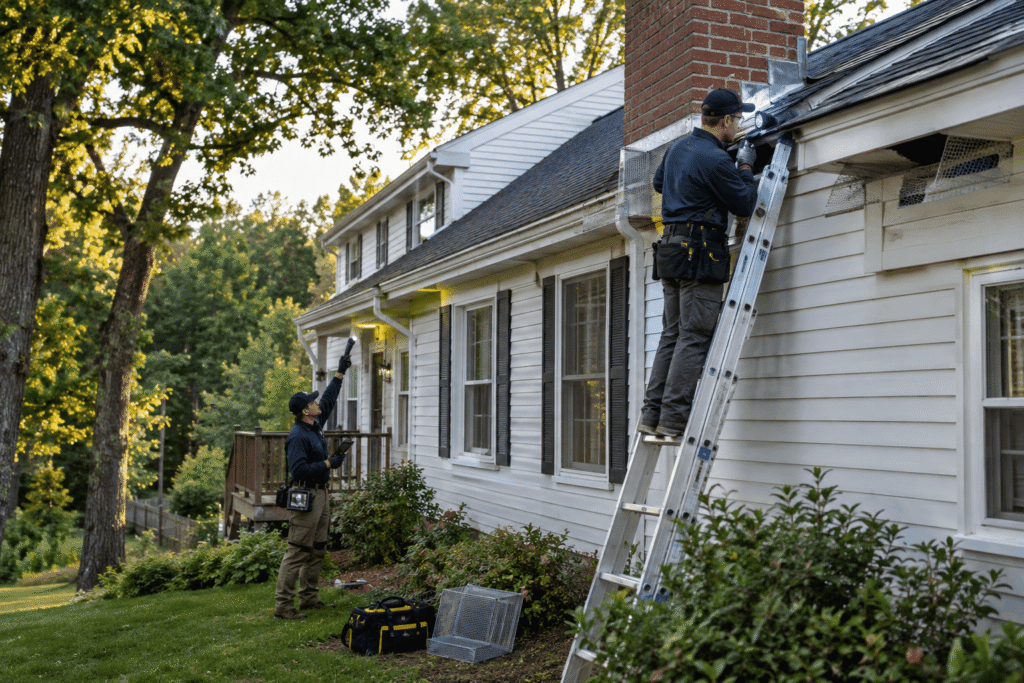
The process usually begins with a full inspection of the home. That means checking the roof, foundation, vents, and any spot where an animal could squeeze through. Finding every entry point matters, because sealing only one often leads the animal to another.
Next comes the removal itself. Many professionals now favor exclusion methods. These include one-way doors that let animals leave but not return. This approach reduces stress on the animal and lowers the risk of leaving young behind.
The final stage is repair and prevention. Damaged insulation may need replacing, and openings get sealed with durable materials. Cleanup of droppings is also important, since animal waste can carry bacteria and parasites.
Why Massachusetts Rules Matter
Massachusetts has fairly strict wildlife laws, and they affect how removal is handled. Anyone paid to deal with problem animals generally needs a Problem Animal Control permit from MassWildlife.
The state also limits relocation. In most cases, a captured animal must be released on the same property or humanely euthanized. Moving it miles away is not allowed. This rule helps prevent the spread of disease and protects animals that would struggle in unfamiliar territory.
These rules are one reason many homeowners choose licensed help over do-it-yourself traps. A mistake can lead to fines, harm to the animal, or a problem that only gets worse.
The Special Case of Bats
Bats deserve their own discussion. They play a key role in controlling insects, and several Massachusetts species are now listed as endangered. White-nose syndrome has hit local populations especially hard.
Because of this, Bat Removal in Springfield MA follows careful timing. Exclusion work is usually avoided in early summer, when young bats can’t fly yet. Sealing a home during that window could trap pups inside, which is both inhumane and harmful to the species.
Health concerns also come into play. Bats can carry rabies, though most do not. Public health officials advise that if a bat is found in a room with a sleeping person, a child, or a pet, it should be safely contained for testing rather than released.
Bat guano is another issue. Over time, droppings can build up in attics and create odors and health risks. Proper cleanup with protective gear is part of a complete job.
The Benefits of Handling It Early
Waiting rarely makes a wildlife problem smaller. Animals that settle in tend to stay, and they often bring more of their kind.
Early action protects the structure of the home. Squirrels chew on wood and electrical wiring, which can create a fire hazard. Raccoons can tear up ductwork and compress insulation, driving up energy bills.
There are health benefits as well. Removing animals and their waste reduces exposure to disease and allergens. It also brings peace of mind, which matters more than many people realize after weeks of sleepless nights.
Finally, quick action is often kinder to the animals. A humane exclusion before a nesting season is far easier than sorting out a family of young ones later.
Real-World Scenarios
Consider a family living near Forest Park. In early March, they hear scurrying in the walls each morning. An inspection finds a gap where the roofline meets the gutter. A mother squirrel has built a nest inside. Timing the exclusion carefully allows her to move her young out before the opening is sealed.
Another common situation involves a homeowner who spots bats leaving a gable vent at dusk in August. By then, the pups are flying, so exclusion devices can be installed safely. Once the colony leaves, the vent is screened and the attic is cleaned.
Then there’s the classic deck problem. A skunk digs under a backyard deck, and the family dog gets sprayed twice in one week. A one-way exit followed by an L-shaped wire barrier along the deck’s base keeps it from returning.
These examples show a common thread. Success depends on understanding animal behavior, not just reacting to it.
Choosing the Right Help
Homeowners looking into wildlife removal in Springfield MA often compare several local providers. Useful questions include whether the company holds proper state permits and uses humane exclusion methods. It also helps to ask whether they offer repairs and follow-up checks.
Regional firms such as Nuisance Wildlife Pros LLC are among the options residents come across when researching. Whoever is chosen, a clear inspection report and an explanation of the plan are good signs of reliable work.
It also helps to be wary of anyone promising instant results without an inspection. Wildlife problems vary, and a thoughtful approach usually delivers better long-term results.
Prevention Tips for Homeowners
A few simple habits can make a home far less attractive to wildlife:
- Keep trash cans sealed and stored in a garage or shed.
- Trim tree branches at least several feet away from the roofline.
- Install a chimney cap and check roof vents for damage.
- Seal gaps around utility lines, pipes, and the foundation.
- Avoid leaving pet food or birdseed out overnight.
These steps won’t guarantee an animal-free home, but they remove many of the easy invitations.
Final Thoughts
Living close to nature is part of what makes Springfield appealing. Sometimes that closeness comes right through the attic vent. Understanding why animals move in, how state laws apply, and what humane removal involves helps homeowners make calm, informed decisions.
If unusual noises or signs of damage appear, a thorough inspection is the best first move. Acting early protects the home, the household, and often the animals themselves.
Frequently Asked Questions
How do I know if I have animals in my attic?
Common signs include scratching or thumping noises, droppings, chewed wires or wood, and strong odors. Noises at dawn or dusk often point to squirrels, while nighttime activity suggests raccoons or bats.
Is it legal to trap and relocate wildlife in Massachusetts?
Generally, no. State rules require most captured animals to be released on the same property or humanely euthanized. Anyone hired to remove wildlife typically needs a permit from MassWildlife.
When is the best time for Bat Removal in Springfield MA?
Late summer and early fall are usually best, once young bats can fly. Exclusion during early summer is typically avoided to prevent trapping pups inside.
Are wild animals in the home a health risk?
They can be. Droppings may carry bacteria and parasites, and some animals, including bats and raccoons, can carry rabies. Professional cleanup reduces these risks.
How can I keep wildlife from coming back?
Seal all entry points, cap chimneys, trim overhanging branches, and secure trash and food sources. Regular checks of the roof and foundation help catch new openings early.