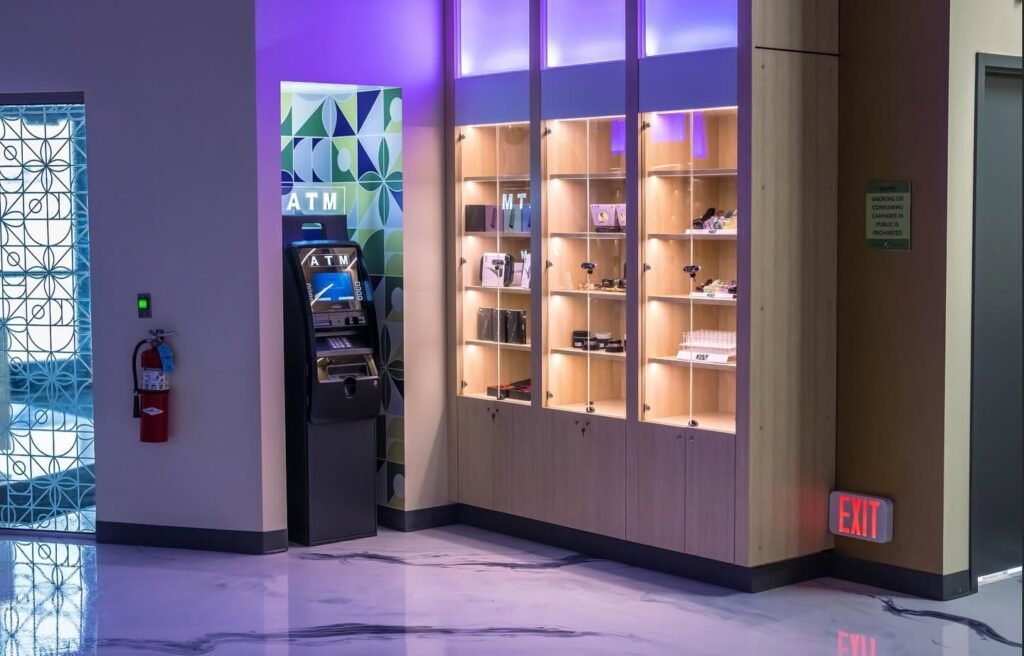
Walk into a dispensary and take a look around. Some stores feel organized and easy to shop in, while others have products packed onto shelves with little thought behind the setup. That difference matters more than people realize. A business searching for a cannabis packaging design agency near me in Pennsylvania may be thinking about labels, bags, and boxes, but the way those products appear on retail shelves deserves attention too. Custom retail displays help dispensaries present products clearly, make better use of limited space, and give customers a reason to stop and look. The display doesn’t need to be flashy. It needs to work.
First Impressions Start at the Shelf
Customers often notice packaging and displays before they know much about the product itself. They see the colors, shapes, layout, and overall presentation. If everything looks cluttered, even a good product can get overlooked. A well-designed display gives the product room to stand out without making the store feel crowded.
For dispensaries, that first impression should feel intentional. A clean display with readable product information and consistent branding can make the shopping experience easier. Customers shouldn’t have to dig through several rows of packages just to understand what’s available.
Custom fixtures also allow businesses to make use of their actual store layout. A small dispensary may need compact countertop displays, while a larger retail space could benefit from dedicated product sections. The best design depends on the space, the inventory, and how customers move through the store.
Branding That Customers Can Recognize
A retail display is more than a place to put products. It is another opportunity to show customers what a brand stands for. Some cannabis brands use bold graphics and strong colors, while others prefer a simple, understated appearance. Neither approach is automatically better. What matters is consistency and whether the presentation fits the intended audience.
Custom displays can carry brand colors, logos, typography, and visual elements that match the product packaging. When these details work together, the shelf looks more organized and the brand becomes easier to recognize.
This is particularly useful for dispensaries carrying products from multiple manufacturers. Each brand needs enough space to communicate its identity, but the overall store should still feel cohesive. A thoughtful display helps strike that balance instead of turning the shelves into a jumble of competing designs.
Making Product Selection Easier
Customers appreciate having options, but too many choices presented badly can become frustrating. Different product types, sizes, flavors, and formulations can make a dispensary shelf confusing if there is no clear organization.
Custom retail displays help group products in ways that make sense. For example, a store might organize products by category, brand, or intended use where legally permitted. Clear shelf labels and straightforward product descriptions can help customers compare options without needing to ask staff about every item.
Visibility matters here. Packages should face the customer, important information should be easy to read, and displays should not hide smaller products behind larger ones. It sounds obvious, but these details are often missed.
Dispensaries should also consider local regulations when planning product presentation. Cannabis products may be subject to restrictions involving visibility, advertising, age access, and packaging. A display that looks great but violates a local rule is not a good investment.
Choosing Materials That Can Handle Retail Use
A custom display has to look good, but it also needs to survive everyday handling. Customers pick up packages, employees restock shelves, and fixtures get moved during cleaning or store updates. Cheap materials can start looking worn surprisingly quickly.
The right material depends on the display’s location and purpose. Acrylic can provide a clean, modern look. Wood may suit a more natural retail environment, while durable printed boards can work well for temporary campaigns or product launches. Metal components may be useful where additional strength is needed.
There is no single material that works for every situation. Cost, maintenance, durability, and appearance all deserve consideration. A countertop unit designed for lightweight packages has different requirements from a large display holding heavier inventory.
It is also worth thinking about replacement parts and future updates. A display that can be refreshed without rebuilding the whole unit may save money over time.
Using Space Without Making the Store Feel Crowded
Retail space costs money, and dispensaries cannot always afford a large showroom. Custom displays can help businesses make better use of the area they already have. Vertical shelving, compact product stands, and modular fixtures can create more useful display space without blocking walkways.
Still, squeezing in more products is not always the answer. Customers need room to move, staff need access to inventory, and important information should remain visible. A packed shelf can make even a well-stocked store feel disorganized.
Good planning starts with observing how the space is actually used. Where do customers stop? Which shelves are difficult to reach? Are popular products hidden in a corner? These practical questions often reveal more than a fancy design presentation ever will.
Why Working With a Specialized Creative Team Helps
Designing effective retail displays takes more than making a logo larger or choosing attractive colors. Packaging, display construction, customer behavior, print quality, and retail regulations all come into the picture. A team with relevant industry experience can help bring these parts together.
A specialized cannabis creative agency may help dispensaries develop display concepts that match their brand identity and packaging system. This can include choosing suitable materials, preparing artwork for production, coordinating package and fixture designs, and ensuring the finished presentation feels consistent.
Before hiring a design partner, businesses should review its portfolio and ask how it approaches practical retail challenges. Can the team work within the available budget? Does it understand production limitations? Can the display be adapted when packaging changes? These questions matter more than promises about making a brand stand out.
Measuring Whether a Display Is Actually Working
A display should do more than look attractive in photographs. Dispensaries need to understand whether it helps customers navigate the store and supports business goals. That does not mean every fixture needs complicated tracking technology.
Staff can observe which sections attract attention, ask customers whether product categories are easy to find, and monitor sales performance before and after a display change. Comparing similar periods can provide useful clues, although promotions, pricing, and inventory changes should also be considered.
Sometimes the results are simple. Customers stop asking where a particular category is located, products are easier to restock, or the sales floor feels less cluttered. Those improvements count too.
Conclusion: Good Displays Make Retail Work Better
Custom retail displays can help dispensaries create a stronger first impression, improve product visibility, reinforce brand identity, and make shopping less confusing. But effective design is not just about appearance. It also needs to account for materials, available space, daily handling, customer needs, and applicable cannabis regulations.
The best display is one that fits the business rather than forcing the business to work around it. Start with the products, understand the space, and make thoughtful decisions about how everything should come together. When packaging and retail presentation support each other, the entire store feels more considered. And that is what makes a custom display worth the investment.