Beard grooming is an important part of many men’s daily routines, but frequent shaving can sometimes leave the skin feeling rough, irritated, or uncomfortable. Men who experience recurring razor bumps, visible stubble, or ingrown hairs may look for alternative ways to manage unwanted facial hair. Beard Laser Hair Removal in Abu Dhabi focuses on reducing unwanted facial hair by directing laser energy toward the pigment within hair follicles. With an appropriate treatment approach, it may help improve the appearance and feel of the skin by reducing the need for frequent shaving. However, the results depend on individual skin characteristics, hair colour, hair thickness, and the treatment settings selected for the person.
How Does Beard Laser Hair Removal Work?
Laser hair removal uses concentrated light energy to target pigment in the hair. The energy is absorbed and converted into heat, which affects structures involved in hair growth. This process can reduce the ability of treated follicles to produce hair over time.
Facial hair grows in different cycles, and laser treatment is most effective when hairs are in a suitable growth phase. Since not all beard hairs grow at the same time, multiple sessions are generally needed to achieve noticeable and consistent hair reduction.
For men seeking smoother-looking skin, the treatment can be used on selected areas of the beard, including the cheeks, neck, and areas around the jawline. The treatment plan depends on whether the goal is to reduce overall beard density, manage unwanted neck hair, or maintain more defined beard boundaries.
Can Beard Laser Hair Removal Improve Skin Texture?
Skin texture can be influenced by shaving habits, hair thickness, natural oil production, and the condition of the skin barrier. Coarse facial hair may create a rough sensation shortly after shaving because the cut ends of the hair remain visible above the skin.
Laser hair removal can gradually reduce the amount of hair growing in treated areas. As hair becomes less dense, some individuals may notice that their skin feels smoother between grooming sessions. The reduction in frequent shaving may also help limit the repeated friction associated with razors.
However, laser hair removal does not directly treat every cause of uneven skin texture. Concerns such as acne-related marks, enlarged pores, and changes in pigmentation may require different approaches. It is important to understand that the main purpose of the treatment is hair reduction rather than comprehensive skin rejuvenation.
Is Beard Laser Hair Removal Helpful for Razor Bumps?
Razor bumps can develop when short, sharp hairs curl back into the skin or become trapped as they grow. This concern is particularly common in men with coarse or tightly curled facial hair. Repeated shaving can contribute to recurring bumps, especially around the neck and jawline.
By reducing hair growth over a series of sessions, beard laser hair removal may help decrease the frequency of shaving-related bumps for suitable candidates. Fewer coarse hairs growing in the treated areas can mean fewer opportunities for hairs to become trapped beneath the skin.
The degree of improvement varies between individuals. Razor bumps can have different causes, so laser hair reduction may not resolve every case. People experiencing persistent inflammation or recurring skin concerns should have their skin assessed before beginning treatment.
Can the Treatment Help With Ingrown Facial Hair?
Ingrown hairs occur when hair grows into the surrounding skin rather than emerging normally through the surface. They can appear as small raised bumps and may be accompanied by redness or tenderness. Men who shave closely may experience this problem repeatedly.
Beard laser hair removal may help manage ingrown hairs by reducing the density and thickness of regrowing hair. When fewer hairs emerge in a treated area, the likelihood of repeated hair-related irritation may decrease for some individuals.
The treatment is not an immediate solution because existing hairs do not disappear all at once. Hair reduction develops gradually as follicles respond across several sessions. The skin’s condition, hair growth pattern, and consistency of the treatment plan all influence the outcome.
Is Beard Laser Hair Removal Suitable for Sensitive Skin?
Men with sensitive skin often need to pay close attention to their shaving and grooming routines. Frequent blade contact, pressure, and friction can make the skin feel uncomfortable, particularly around the neck and lower cheeks.
Laser hair removal may be worth considering when frequent shaving contributes to ongoing irritation. Reducing hair growth can lessen the need for repeated razor contact and may make long-term grooming easier.
Nevertheless, sensitive skin requires careful assessment before treatment. Skin tone, recent tanning, existing irritation, and individual skin characteristics can influence the choice of laser technology and settings. A qualified practitioner should assess these factors and explain the preparation and aftercare requirements.
It is also important to remember that laser treatment is not automatically suitable for every sensitive skin type. A personalised approach helps determine whether the procedure is appropriate and how the treatment should be adapted to the individual’s needs.
How Does Skin Tone Affect Beard Laser Hair Removal?
Skin tone is an important consideration when choosing laser hair removal. Different laser technologies interact with skin pigment and hair pigment in different ways, so the most appropriate option depends on the contrast between the hair and surrounding skin.
Dark, coarse hair often responds well because it contains more pigment for the laser to target. However, people with darker skin tones can also be candidates when suitable equipment and carefully selected settings are used.
A professional assessment helps establish which technology is appropriate for the individual’s skin tone and hair characteristics. It also allows the practitioner to discuss realistic expectations and determine how to approach sensitive areas of the face.
What Should You Expect During a Beard Laser Hair Removal Session?
The process generally begins with an assessment of the beard area, skin tone, hair density, and treatment goals. The practitioner identifies the areas to be treated and determines suitable settings for the individual’s characteristics.
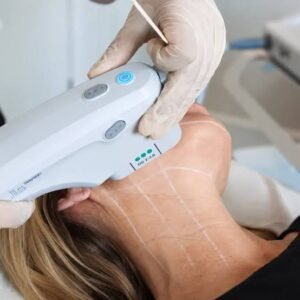
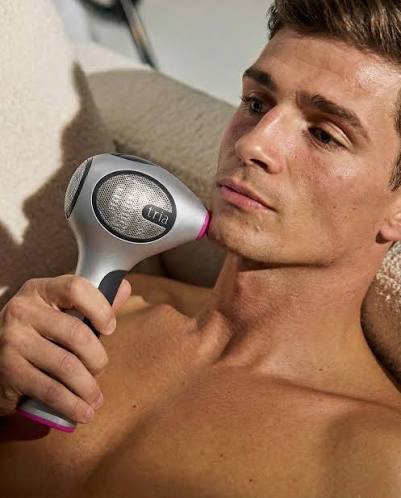
The skin is prepared according to the treatment protocol, and protective eyewear is used during the procedure. The laser device is then applied to the selected areas to deliver controlled light energy to the hair follicles.
Session length depends on the size of the treatment area and the amount of facial hair being addressed. The cheeks, upper neck, and jawline may require different levels of attention depending on the desired result.
After the session, individuals should follow the recommended aftercare instructions and protect the treated skin from excessive sun exposure. Following these instructions helps support skin recovery and maintain a consistent treatment routine.
How Many Sessions Are Needed for Noticeable Results?
Beard hair usually grows in several cycles, which means a single session cannot target every follicle at its most responsive stage. Multiple appointments are therefore commonly needed to achieve meaningful hair reduction.
The number of sessions varies according to hair thickness, growth patterns, skin characteristics, hormonal influences, and the treatment area. Some individuals notice changes in hair growth after the first few sessions, while others need a longer course of treatment.
Maintenance sessions may also be recommended depending on how the hair responds over time. The objective is generally long-term hair reduction rather than a guarantee that every hair will be permanently eliminated.
Consistent appointments and realistic expectations are important when evaluating progress. Comparing hair density and regrowth between sessions can help determine whether the treatment plan is producing the intended results.
How Can You Maintain Healthy Skin During Treatment?
Maintaining healthy skin is an important part of the beard laser hair removal process. Gentle cleansing, appropriate moisturising, and regular sun protection can help support the skin’s natural barrier.
It is advisable to follow the specific preparation and aftercare guidance provided by the treating professional. Avoiding unnecessary friction and protecting the face from strong sunlight can be particularly helpful during the treatment period.
Individuals should also inform the practitioner about recent tanning, active skin concerns, and any skincare products or procedures that may affect the skin’s sensitivity. These details can help the practitioner make suitable recommendations for the treatment plan.
A consistent skincare routine can complement hair reduction, but it should not be viewed as a replacement for professional assessment or appropriate treatment settings.
Conclusion
Beard laser hair removal may be a useful option for men who want to reduce unwanted facial hair and make their grooming routine easier. By gradually reducing hair growth, the treatment can help some individuals manage recurring razor bumps, ingrown hairs, and rough-feeling skin associated with frequent shaving.
However, the benefits depend on individual skin tone, hair characteristics, and treatment suitability. A professional assessment, appropriate laser settings, and consistent aftercare are essential considerations. For men exploring Beard Laser Hair Removal in Abu Dhabi, understanding these factors can help establish realistic expectations and determine whether the treatment aligns with their skin and grooming goals.
FAQs
Is beard laser hair removal good for the skin?
It may benefit some individuals by reducing frequent shaving, coarse regrowth, and recurring ingrown hairs. The outcome depends on skin type, hair characteristics, and the suitability of the treatment.
Can beard laser hair removal make the face smoother?
Yes, some individuals notice smoother-feeling skin as hair density decreases. However, the treatment primarily reduces hair growth and does not directly correct every skin texture concern.
Does beard laser hair removal help with razor bumps?
It may reduce recurring razor bumps associated with coarse or ingrown facial hair by decreasing hair growth and the need for frequent shaving.
Is beard laser hair removal suitable for darker skin tones?
It can be suitable for many darker skin tones when appropriate laser technology and settings are selected. A professional skin assessment is essential before treatment.
How long does it take to see results?
Results develop gradually over multiple sessions because facial hair grows in different cycles. The timeline varies according to individual hair growth patterns and treatment response.
Can beard laser hair removal permanently remove all facial hair?
Complete permanent removal cannot be guaranteed. The treatment is intended to provide long-term hair reduction, and some individuals may require maintenance sessions.
What areas of the beard can be treated?
Common treatment areas include the cheeks, jawline, and neck. The exact areas depend on personal grooming goals and the treatment plan.