Skin tightening treatment is an option for people who want to improve skin firmness, enhance facial contours, and address visible signs of aging. Over time, the skin may gradually lose its natural elasticity due to aging, reduced collagen production, environmental exposure, and other factors. These changes can make the skin appear loose, less defined, or less smooth. Skin Tightening Treatment in Abu Dhabi are designed to address these concerns by stimulating natural processes that support a firmer and more refreshed appearance.
Understanding what happens during the treatment can help individuals feel more comfortable and prepared before their appointment. The process may involve an initial skin assessment, preparation of the treatment area, the application of a selected technology, and aftercare guidance. The exact steps depend on the technique used, the area being treated, and the individual’s skin condition.
Understanding Skin Tightening Treatment
Skin tightening treatment refers to non-surgical or minimally invasive approaches designed to improve the appearance of loose skin and support a firmer skin texture. Different technologies may use radiofrequency energy, ultrasound energy, or other methods to stimulate collagen production within the skin.
Collagen is a structural protein that helps maintain skin strength, elasticity, and firmness. As collagen levels gradually change with age, the skin may lose some of its natural support. Certain skin tightening techniques aim to encourage collagen remodeling, helping the skin look smoother and more toned over time.
The treatment may be considered for areas such as the face, jawline, cheeks, neck, and other parts of the body. The appropriate approach depends on the degree of skin laxity, the treatment area, and the individual’s aesthetic goals.
What Happens Before the Treatment Begins?
Initial Skin Assessment
The process generally begins with an assessment of the skin and a discussion about the results the individual hopes to achieve. The treatment provider evaluates the area of concern, including the degree of looseness, skin texture, and visible changes in facial or body contours.
This assessment helps determine whether skin tightening is an appropriate option and which technology may be suitable. Some people may be concerned about sagging cheeks, while others may want to improve the definition of the jawline or address loose skin around the neck.
The assessment also provides an opportunity to discuss previous aesthetic treatments, relevant medical history, and any factors that could influence treatment suitability. Expectations are reviewed so that the individual understands the likely degree of improvement and the importance of allowing time for results to develop.
Preparing the Treatment Area
Once the treatment plan has been established, the skin is prepared according to the selected technique. The area is usually cleansed to remove makeup, oils, and surface impurities. Depending on the technology, a topical product or coupling gel may be applied to support the proper delivery of energy.
The treatment provider explains the procedure, including the sensations that may occur and the approximate duration of the session. Protective measures may also be used when required by the equipment.
Preparation is an important part of the process because it helps ensure that the selected technique is applied appropriately to the intended area.
What Happens During Skin Tightening Treatment in Abu Dhabi?
Application of the Selected Technology
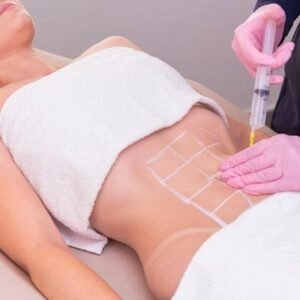
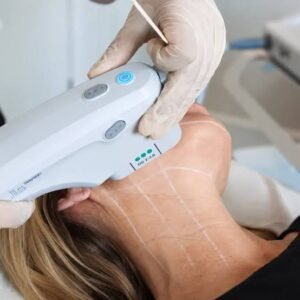
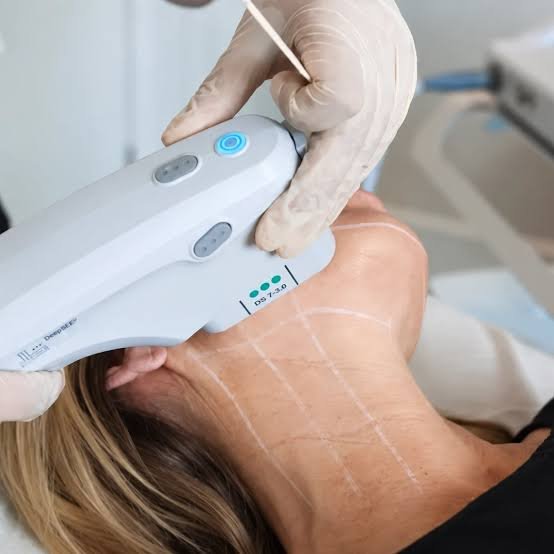
During skin tightening treatment in Abu Dhabi, the specific procedure depends on the technology being used. Radiofrequency treatments deliver controlled energy to heat targeted skin tissues, while ultrasound-based techniques direct energy to selected depths beneath the skin.
These approaches are intended to stimulate responses associated with collagen production and remodeling. Over time, these changes may contribute to improved skin firmness and a more defined appearance.
The treatment provider moves the device across the designated area or positions it at specific points, depending on the equipment and treatment plan. The process is adjusted according to the area being treated and the technology’s operating requirements.
The session may focus on one area, such as the lower face, or several areas that share similar concerns. The exact approach varies from person to person.
Sensations During the Procedure
The sensations experienced during treatment depend on the technique, the device settings, and individual sensitivity. Some people describe a feeling of warmth, while others notice brief tingling, pressure, or small pulses during energy delivery.
The provider monitors the individual’s comfort throughout the session and adjusts the approach when appropriate. Communicating any discomfort or unusual sensation helps the provider respond accordingly.
The experience is not identical for every person. Treatment duration and comfort can differ depending on whether the procedure targets a small facial area or a larger section of the body.
How Long Does the Session Take?
The duration of a skin tightening session depends on the treatment area, the technology being used, and the planned level of coverage. A procedure focused on a small facial area may take less time than one addressing the face and neck together.
The provider should explain the expected appointment length before the procedure begins. Additional time may be needed for consultation, preparation, and post-treatment instructions.
Some approaches are performed as a single session, while others may involve a series of appointments. The recommended schedule depends on the technique and the individual’s skin concerns.
What Happens Immediately After the Treatment?
After the session, the treatment area is checked, and the provider explains the appropriate aftercare routine. Depending on the technology, the skin may appear slightly flushed or feel warm for a short period. The immediate appearance of the skin does not necessarily indicate the final outcome.
Many non-surgical skin tightening procedures allow individuals to return to ordinary activities relatively quickly, although recovery requirements vary. Specific instructions may include gentle skin care, sun protection, and avoiding activities that the provider advises against for a particular period.
It is important to follow the instructions provided for the selected treatment rather than assuming that every technology requires the same recovery routine.
When Can You Expect to See Results?
Skin tightening results depend on the method used, the initial condition of the skin, and the body’s response to treatment. Some individuals may notice an initial difference in skin appearance, but many treatments rely on gradual collagen remodeling, which develops over time.
Improvements may become more noticeable over several weeks or months as the skin’s structural response progresses. The degree of change varies, and treatment cannot guarantee a particular outcome.
People with mild skin laxity may experience a different level of improvement from those with more pronounced looseness. Skin tightening can enhance firmness and contours, but it does not necessarily produce the same changes as a surgical lifting procedure.
A follow-up assessment can help evaluate progress and determine whether additional sessions may be appropriate.
Which Areas Can Skin Tightening Treatment Address?
Skin tightening may be used for several facial and body areas, depending on the technology and its approved applications. Facial treatments may focus on the cheeks, lower face, jawline, and neck, where reduced firmness can affect the overall appearance of contours.
Some techniques may also be suitable for selected body areas where loose skin is a concern. The choice of treatment depends on tissue characteristics, the degree of laxity, and the intended outcome.
An individualized assessment is important because not every device or technique is appropriate for every area. Selecting a suitable approach helps align the procedure with realistic aesthetic goals.
How Can You Prepare for Better Treatment Planning?
Preparing for skin tightening treatment involves understanding the chosen technique and discussing relevant concerns before the appointment. Individuals should share information about previous procedures, skin care products, and medical conditions that may affect suitability.
It is also helpful to communicate specific goals, such as improving jawline definition, making the neck appear firmer, or addressing mild facial laxity. Clear goals allow the treatment plan to focus on the areas that matter most.
Following the provider’s pre-treatment and aftercare instructions is essential. Consistent skin care and appropriate sun protection can support overall skin health, although they cannot guarantee a particular treatment result.
Conclusion
Understanding what happens during Skin Tightening Treatment in Abu Dhabi can make the experience easier to approach. The process typically includes a skin assessment, preparation of the treatment area, application of a selected technology, and guidance for aftercare. Depending on the method, the treatment may stimulate collagen remodeling and support gradual improvements in firmness, texture, and facial contours.
Results vary according to the individual’s skin condition, the technology used, and the body’s response. Discussing treatment goals, suitability, expected timelines, and aftercare requirements before the procedure helps establish realistic expectations. With an appropriate treatment plan, skin tightening may offer a non-surgical option for people seeking a firmer and more refreshed appearance.
FAQs
Is Skin Tightening Treatment in Abu Dhabi Painful?
The level of discomfort depends on the technology, treatment area, and individual sensitivity. Some people experience warmth, tingling, or brief pulses during the session. The provider can explain what to expect with the selected method and discuss ways to support comfort.
How Many Sessions Are Needed for Skin Tightening?
The number of sessions varies according to the technology, the degree of skin laxity, and the desired improvement. Some treatments are performed in one session, while others may require several appointments. A personalized treatment plan helps establish a suitable schedule.
Can Skin Tightening Improve a Sagging Jawline?
Certain skin tightening techniques may help improve the appearance of mild skin laxity around the lower face and jawline. The outcome depends on the skin’s condition and the method used. More pronounced sagging may require a different approach to achieve the desired change.
Is There Any Downtime After the Treatment?
Downtime varies by procedure. Some non-surgical techniques involve little interruption to daily activities, while other methods may require additional recovery time. The provider should explain the expected recovery requirements before treatment.
When Will the Final Results Become Visible?
Results may develop gradually over several weeks or months, particularly when the treatment relies on collagen remodeling. The timeline differs according to the technology and individual response, so immediate changes should not be considered the final result.
Is Skin Tightening Suitable for Every Skin Type?
Suitability depends on the technology, skin characteristics, medical history, and treatment area. An assessment helps determine whether the selected method is appropriate and whether another approach may better address the individual’s concerns.
Can Skin Tightening Replace a Surgical Facelift?
Skin tightening treatments may improve firmness and mild skin laxity, but they generally do not reproduce the degree of lifting that surgery can provide. The most appropriate option depends on the extent of sagging and the individual’s expectations.