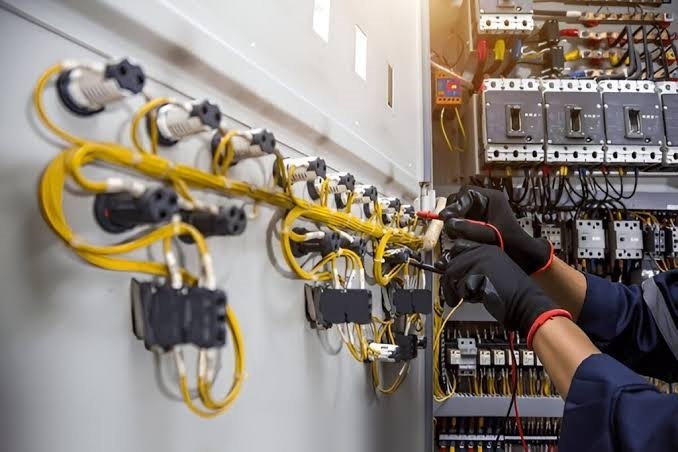
electrical engineering consultant
Knowing when to hire an electrical engineering consultant can make a major difference to the cost, safety, and performance of a building or engineering project. Many businesses only seek specialist electrical advice after a problem appears, but early support can prevent expensive changes and delays.
An electrical engineering consultant helps businesses plan, design, assess, and improve electrical systems. Their expertise can be useful before construction starts, during refurbishment, when electrical capacity needs to increase, or when a business plans to introduce technologies such as solar PV, battery storage, EV charging, or heat pumps.
The right time to appoint a consultant depends on the type and complexity of the project. However, in most cases, involving an electrical specialist during the planning stage gives a business more options and better control over costs.
What Does an Electrical Engineering Consultant Do?
An electrical engineering consultant provides technical advice and engineering services for electrical systems. Their work can cover new installations, existing buildings, industrial facilities, infrastructure, refurbishment projects, and energy upgrades.
A consultant may carry out electrical load calculations, develop power distribution designs, prepare lighting designs, produce technical drawings, review equipment specifications, assess existing installations, and support compliance requirements.
They can also work with architects, mechanical engineers, structural engineers, contractors, project managers, and building owners. This coordination helps ensure that electrical requirements are considered alongside the wider project.
Unlike an electrical contractor, who generally focuses on installation, a consultant focuses on engineering design, technical planning, assessment, and advice. Both roles can work together throughout a project.
When Should You Hire an Electrical Engineering Consultant?
The best time to hire an electrical engineering consultant is usually before major design and construction decisions have been made. Early involvement allows the consultant to assess the project’s requirements before changes become difficult or expensive.
There are several situations where professional electrical consultancy can provide significant value.
Before Starting a New Building Project
A new building needs an electrical strategy from the early design stage. Waiting until construction begins can lead to design changes, coordination problems, and unexpected costs.
An electrical engineering consultant can assess the expected power demand and determine how electricity should be distributed throughout the building.
They can also consider lighting, power outlets, HVAC equipment, lifts, IT systems, security systems, emergency systems, and other electrical loads.
Early design work helps the project team understand space requirements for electrical equipment, cable routes, plant rooms, distribution boards, and other infrastructure.
This means electrical requirements can be included in the wider building design rather than added later.
During the Early Planning Stage
Hiring a consultant during early planning gives businesses the chance to compare different technical options.
At this stage, the consultant can assess the project’s objectives, expected electrical demand, available supply, future expansion plans, and budget.
They can then develop an electrical strategy that fits the building and its intended use.
Early planning is also useful for projects that have complex electrical requirements. Industrial facilities, data-heavy offices, warehouses, healthcare buildings, and large commercial developments may need more detailed electrical planning than smaller projects.
Before a Major Refurbishment
Refurbishment projects often involve existing electrical systems that may be old, modified, or poorly documented.
Before replacing equipment, businesses need to understand the condition and capacity of the existing installation.
An electrical engineering consultant can inspect available information, review the existing electrical infrastructure, assess capacity, and identify areas that need improvement.
This helps businesses avoid replacing equipment that is still suitable while making sure critical weaknesses are addressed.
A proper assessment can also reveal whether the existing electrical supply can support planned changes.
When Electrical Capacity Is No Longer Enough
Growing businesses often need more electrical power.
A company may add machinery, expand office space, install larger HVAC systems, introduce new production equipment, or increase its IT infrastructure.
If the existing electrical system cannot support the additional demand, an upgrade may be required.
An electrical engineering consultant can calculate the expected load and assess whether the current distribution system can handle it.
They can identify potential requirements for new distribution boards, cables, transformers, switchgear, or changes to the incoming electrical supply.
This is much safer than adding equipment without understanding the available capacity.
Before Installing EV Charging
EV charging can have a significant effect on a building’s electrical demand.
A business planning workplace, fleet, residential, or commercial EV charging should assess the existing electrical infrastructure before installation.
An electrical engineering consultant can calculate the expected charging load and consider how the chargers will operate alongside the building’s other electrical loads.
Load management may also be considered where appropriate. This can help businesses use available electrical capacity more effectively.
Planning the electrical system before purchasing charging equipment can prevent costly upgrades and installation problems.
When Adding Solar PV or Battery Storage
Solar PV and battery storage can provide energy and operational benefits, but they also need proper electrical planning.
Adding generation or storage to an existing installation can affect distribution, protection, control systems, and grid connection requirements.
A consultant can assess the existing system and determine how the proposed technology should connect to it.
For larger systems, additional technical requirements may apply. Professional engineering input can help businesses understand these requirements before committing to equipment or installation work.
When Installing Heat Pumps
Heat pumps are another technology that can affect electrical demand.
Businesses replacing gas heating or adding electric heating systems should consider whether their existing electrical infrastructure can support the additional load.
A consultant can assess the expected demand and determine whether upgrades are required.
Planning this work at an early stage is important because an electrical upgrade may affect other parts of the building project.
When Designing an Industrial Facility
Industrial projects often have complex electrical requirements. Machinery, motors, pumps, production lines, automation systems, refrigeration, ventilation, and control equipment can all create significant loads.
An electrical engineering consultant can help develop a distribution system that supports these requirements.
The consultant may also assess motor starting, protection, fault levels, equipment ratings, and power quality.
For facilities where hazardous substances are present, additional requirements may apply. These can include considerations related to DSEAR and the classification of hazardous areas.
Early electrical design can help industrial businesses avoid costly changes after equipment has been installed.
When an Existing Electrical System Has Problems
Not every consultancy project starts with a new development.
Businesses may need an electrical consultant when they experience recurring faults, unexplained outages, voltage problems, overloaded equipment, or other electrical concerns.
A consultant can investigate the issue and identify the underlying cause.
Instead of replacing equipment without understanding the problem, businesses can use engineering analysis to determine what action is actually needed.
This can prevent unnecessary expenditure and help improve system reliability.
Before Major Electrical Equipment Is Purchased
Large electrical equipment can represent a significant investment. Buying equipment before confirming the technical requirements can create compatibility problems.
An electrical engineering consultant can help establish the required specifications before procurement.
This may include reviewing voltage, current, capacity, protection, efficiency, physical requirements, connection arrangements, and future operating conditions.
Clear specifications can also help businesses compare suppliers on a consistent technical basis.
When Compliance Requirements Are a Concern
Electrical systems must meet relevant legal and technical requirements. UK projects may involve standards and regulations such as BS 7671 and the Electricity at Work Regulations 1989, depending on the nature of the work.
Businesses may need professional support when they are unsure whether an existing installation meets applicable requirements.
A consultant can review the design or installation and identify areas that may require attention.
Addressing compliance issues during planning is usually more practical than discovering them after construction or during an inspection.
Before Tendering Electrical Work
Businesses can also benefit from hiring a consultant before asking contractors to provide quotations.
A detailed electrical design and specification gives contractors a clearer scope of work.
Without sufficient technical information, different contractors may make different assumptions when preparing prices. This can make quotations difficult to compare.
An electrical engineering consultant can prepare drawings, specifications, schedules, and calculations that define the required work.
This can improve tender accuracy and help businesses understand what they are paying for.
When You Need Better Project Cost Control
Electrical changes can become expensive once construction begins.
For example, changing cable routes after ceilings have been installed may require additional labour. Increasing electrical capacity after equipment has been purchased may require replacement components. Moving electrical equipment can also affect other building services.
Hiring an electrical engineering consultant early helps identify these issues before they reach the construction stage.
Good planning does not mean spending more on unnecessary design. It means making important decisions when changes are easier to manage.
When Future Expansion Matters
A business may not need additional capacity today but may need it later.
Future plans could include more employees, additional machinery, new production lines, EV charging, solar PV, battery storage, or building extensions.
A consultant can consider these plans during the initial design.
This does not mean installing equipment that will not be used. Instead, the electrical system can include sensible provisions for future changes.
Planning ahead can reduce the cost and disruption of later upgrades.
Can You Hire an Electrical Engineering Consultant After Construction Starts?
Yes, but early involvement is usually better.
A consultant can still review designs, investigate problems, assess proposed changes, and support construction after work has started.
However, options may be more limited once equipment has been purchased and building work is underway.
Late design changes can also affect other contractors and extend the project programme.
For this reason, businesses should involve an electrical engineering consultant as early as possible when the project has significant electrical requirements.
How to Choose the Right Electrical Engineering Consultant
Experience should be one of the main factors when choosing a consultant.
Look for a professional or consultancy with experience in projects similar to yours. A consultant working on an industrial facility may need different knowledge from one designing a small commercial office.
It is also important to consider knowledge of UK standards, technical documentation, project coordination, communication, and practical problem-solving.
A good consultant should understand both the technical requirements and the business goals behind the project.
How Almens Consult Can Help
Almens Consult provides practical electrical engineering support for businesses planning new projects, refurbishments, electrical upgrades, and modern energy systems. Its services can support power design, energy management, safety, compliance, and wider electrical engineering requirements.
By becoming involved at the planning stage, Almens Consult can help businesses understand electrical requirements before construction or installation decisions are fixed. This can support better cost control, safer system design, improved efficiency, and easier future upgrades.
Whether a project involves a commercial building, industrial facility, electrical upgrade, renewable energy system, or EV charging infrastructure, Almens Consult can provide engineering support based on the project’s technical and operational needs.
Conclusion
Knowing when to hire an electrical engineering consultant can help businesses avoid costly electrical problems and make better project decisions.
The ideal time is usually before construction and major procurement decisions begin. Early consultancy allows electrical loads, distribution, equipment, compliance, energy use, and future requirements to be considered as part of the overall project.
However, consultancy can also be valuable during refurbishment, electrical upgrades, equipment changes, renewable energy projects, EV charging installations, and investigations into existing electrical problems.
By involving an experienced electrical engineering consultant at the right stage, businesses can improve safety, control costs, support compliance, and create electrical systems that remain suitable as their needs change.