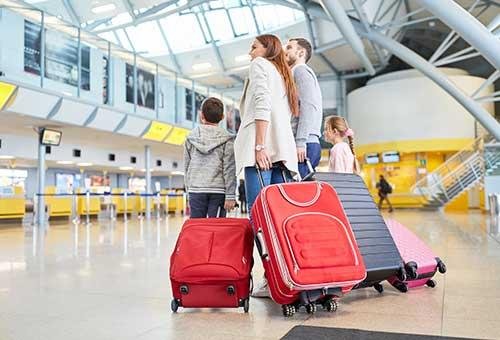
A trip lasting several weeks comes with different packing challenges than a short vacation. You may need clothing for changing weather, work or personal essentials, toiletries, and items you would not normally carry for a weekend away. The challenge is deciding what should travel with you, what can be arranged after arrival, and how to avoid managing too many bags throughout the journey.
For travelers planning an extended stay in the United States, a little luggage planning can make the experience more comfortable. Instead of packing everything into multiple suitcases, consider how long you will stay, where you will be living, and whether you will move between cities.
Start With Your Length of Stay, Not Your Suitcase Size
It is tempting to pack more simply because the trip is longer. However, a three-week stay does not necessarily require three weeks’ worth of clothing. Laundry facilities, local shopping options, and the activities you have planned can all influence how much you need.
Before packing, divide your belongings into three groups:
- Daily essentials: Clothing, personal care products, medication, travel documents, and items you use regularly.
- Occasional-use items: Formal outfits, special footwear, extra layers, or equipment for specific activities.
- Non-essential belongings: Items that are convenient to have but not necessary immediately after arrival.
This simple exercise helps you avoid filling your bags with things that may remain unused throughout the trip.
Think About Where You Will Be Staying
Your accommodation can affect how much luggage makes sense. A furnished apartment may provide basic household items, while a hotel room may have limited storage. Someone staying with family could have access to laundry facilities and extra space.
If you are staying in one location for several weeks, it may be easier to organize your belongings once and keep them there. But if your accommodation changes frequently, carrying several large suitcases can become inconvenient.
Consider these details before deciding what to bring:
- Does the accommodation have a washing machine?
- Is there enough closet or storage space?
- Will you need different clothing for work, sightseeing, or outdoor activities?
- Are you staying at one address or moving between locations?
The answers can help you decide whether to travel with everything or arrange separate delivery for additional belongings.
Avoid Carrying Every Item Between Cities
An extended U.S. trip may involve more than one destination. You could spend a week in New York, visit relatives in another state, and then continue to a temporary work location. In these situations, moving every suitcase each time can make travel more tiring.
One option is to keep your immediate travel essentials with you and arrange to send other belongings to a confirmed destination. This can be useful when you have items that are not needed during every part of the journey.
A luggage shipping service may help travelers send suitcases or boxes separately rather than carrying everything on flights, trains, or road trips. If you are comparing ways to ship your luggage, check the delivery estimate, pickup arrangements, destination requirements, and total price before booking.
Compare the Real Cost of Carrying Extra Bags
Airline baggage fees are only one part of the cost. Additional luggage can also mean more effort during airport transfers, extra space in a rental car, or difficulty using public transportation.
Compare the overall expense of taking another suitcase with you against arranging separate delivery. The better option depends on the weight and dimensions of your belongings, the route, the delivery timeframe, and the number of bags.
For travel between states, review the available options for luggage delivery across the USA. Compare the complete cost rather than relying only on an advertised starting price.
Pack for Access, Not Just Quantity
When staying away from home for several weeks, the way you organize your luggage matters. You may not want to open every suitcase whenever you need a fresh outfit or an important document.
Keep frequently used items in an easily accessible bag. Pack clothing by category, use smaller organizers for accessories, and separate anything that should not be exposed to moisture. Important documents, valuables, and essential medication should remain with you rather than being placed in a separately shipped bag.
It is also worth preparing a small arrival kit with enough essentials for the first day or two. That way, you will not have to depend on every piece of luggage being immediately available.
Check Delivery Details Before Sending Belongings
If you decide to send some of your luggage ahead, confirm that someone can receive it at the destination. This is particularly important when you are staying in temporary accommodation, a rental property, or a hotel.
Check the exact delivery address, recipient details, receiving hours, and any building-specific instructions. If your plans may change, avoid scheduling delivery before you have confirmed where you will be staying.
Keep your shipment confirmation and tracking information accessible. A little coordination can help prevent delays or confusion when your belongings arrive.
Make Your Longer Stay Easier to Manage
An extended stay does not have to mean carrying everything you own. Start by identifying what you genuinely need, consider the facilities available at your accommodation, and plan how your belongings will move if you visit multiple destinations.
For some travelers, one or two suitcases will be enough. Others may find it more practical to separate everyday essentials from additional belongings and arrange delivery when needed. The goal is not simply to take fewer bags; it is to make sure your luggage fits the way you intend to travel.
A well-planned approach can leave you with more flexibility during your stay and less time spent handling suitcases along the way.