Senior wound care at home near Troy MI
Caring for an older family member with a wound can be challenging, especially when healing requires regular medical attention, dressing changes, and careful monitoring. Seniors may experience slower wound healing because of age-related skin changes, diabetes, circulation problems, or limited mobility. For family caregivers, understanding proper wound management is essential to preventing complications and supporting a loved one’s recovery. Senior wound care at home near Troy MI provides an opportunity for eligible older adults to receive professional wound assessments and appropriate treatment in familiar surroundings. With guidance from qualified healthcare professionals, families can better understand wound care responsibilities and help seniors maintain comfort, safety, and dignity throughout the healing process.
Understanding Why Seniors Need Specialized Wound Care
Older adults often have unique healthcare needs that can make wound healing more complicated. As people age, their skin generally becomes thinner, less elastic, and more vulnerable to injuries. Even minor cuts, bruises, or pressure-related skin damage may require additional attention. Existing medical conditions, reduced mobility, and certain medications can also influence how the body responds to an injury. These factors make proper wound assessment and consistent monitoring particularly important for senior patients.
Some of the most common wounds affecting older adults include pressure injuries, diabetic foot ulcers, surgical wounds, and venous leg ulcers. Pressure injuries may develop when someone remains in the same position for extended periods, reducing blood flow to vulnerable areas. Diabetic ulcers can occur when reduced sensation and circulation problems make it difficult to notice injuries or support normal healing. Surgical wounds and leg ulcers may also require specialized dressings and regular professional evaluations.
Recognizing these risks early can help families seek appropriate medical attention before a wound becomes more complicated. Caregivers should regularly observe vulnerable areas, particularly the heels, ankles, hips, elbows, and tailbone. Any unusual redness, swelling, skin breakdown, or open areas should be discussed with a healthcare professional. Early assessment helps determine the wound’s severity and whether specialized treatment is necessary.
Common Types of Wounds That Affect Older Adults
Pressure injuries are a significant concern for seniors who spend extended periods in bed or use wheelchairs. These injuries develop when prolonged pressure restricts blood flow to the skin and underlying tissue. They commonly affect areas where bones are close to the skin, including the heels, hips, and tailbone. Depending on their severity, pressure injuries may involve persistent skin discoloration, open wounds, or deeper tissue damage that requires professional treatment.
Diabetic foot ulcers are another common concern among older adults living with diabetes. High blood sugar can damage nerves and blood vessels, reducing sensation and circulation in the feet. As a result, seniors may not notice small injuries caused by footwear, friction, or everyday activities. Without appropriate assessment and treatment, these wounds can become infected and potentially lead to serious complications. Regular foot examinations and professional wound management are important parts of diabetic care.
Venous leg ulcers and surgical wounds may also require ongoing attention. Venous ulcers often develop because of problems with blood returning from the legs toward the heart, causing fluid buildup and skin damage. Surgical wounds need appropriate monitoring to ensure that the incision heals without complications. Caregivers should follow the treating professional’s instructions and avoid changing dressings or applying unfamiliar products without medical guidance.
How Professional Wound Care at Home Supports Senior Patients
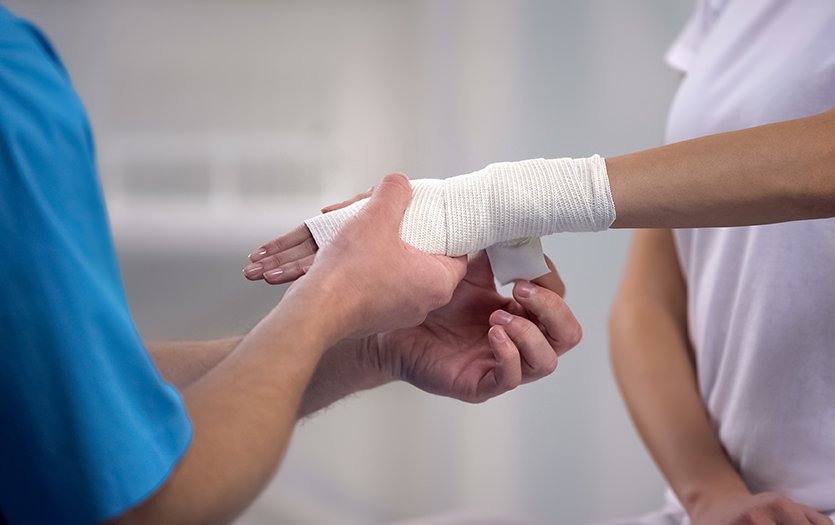
Traveling to a healthcare facility for frequent wound appointments can be difficult for seniors with limited mobility, physical discomfort, or transportation challenges. Home-based wound care offers an alternative for eligible patients who need professional attention without making repeated trips to a clinic. Depending on the provider’s qualifications and available services, home visits may include wound assessments, dressing changes, monitoring, and treatment recommendations. This arrangement can make ongoing medical care more convenient for older adults and their families.
During a home visit, a qualified healthcare professional evaluates the wound and considers the patient’s overall medical condition. The assessment may involve checking wound size, depth, drainage, surrounding skin, and possible signs of infection. The provider may also review medical history, medications, circulation, and underlying conditions that could affect recovery. Based on these findings, the healthcare professional can recommend an appropriate treatment plan and explain what caregivers should monitor between appointments.
Home-based services can also make it easier for family members to participate in the care process. Caregivers may receive instructions about dressing schedules, hygiene, pressure reduction, and protecting the affected area. They can ask questions and learn which changes should be reported to the treating provider. This education helps families understand their responsibilities while ensuring that clinical decisions remain under the guidance of qualified professionals.
A Family Caregiver’s Role in Daily Wound Management
Family caregivers play an important supporting role when an older adult is recovering from a wound. One of their responsibilities is helping maintain consistency with the treatment instructions provided by healthcare professionals. This may involve reminding the senior about scheduled appointments, organizing wound care supplies, and following prescribed dressing instructions. Caregivers should avoid attempting procedures outside their training and should contact the provider whenever they are uncertain about a recommended step.
Observing the wound between professional appointments is another important responsibility. Caregivers should look for changes in redness, swelling, drainage, odor, and surrounding skin condition. They should also pay attention to increased discomfort or changes in the patient’s general health. Keeping a simple record of observations can help healthcare professionals understand how the wound has changed since the previous assessment.
Supporting mobility and reducing pressure are equally important for many senior patients. When medically appropriate, caregivers can help loved ones change positions regularly and follow recommendations for pressure-relieving cushions or mattresses. They should also encourage safe movement based on the patient’s physical abilities and professional advice. These practical measures can help protect vulnerable skin and reduce the risk of additional pressure injuries.
Comfortable Wound Healing in Your Home Michigan
A familiar environment can make the wound recovery process less stressful for older adults who find medical travel uncomfortable. Comfortable wound healing in your home Michigan allows eligible seniors to receive appropriate professional wound care while remaining in surroundings they know. Home visits may reduce transportation difficulties and give healthcare professionals an opportunity to understand the patient’s daily living conditions. This can be particularly helpful for individuals who need repeated wound assessments or assistance managing ongoing medical concerns.
Personalized care is important because every senior has different medical requirements and recovery challenges. A patient with a diabetic foot ulcer may need pressure reduction and blood sugar management, while someone recovering from surgery may require incision monitoring and specific dressing instructions. Healthcare professionals consider these differences when recommending treatment. The goal is to provide care that reflects the patient’s wound condition, medical history, mobility, and overall health.
Home visits also create opportunities to educate family caregivers about safe wound management. Healthcare professionals can explain how to follow dressing instructions, maintain appropriate hygiene, and protect the surrounding skin. They may also identify practical issues involving bedding, footwear, mobility equipment, or access to wound care supplies. Addressing these concerns can help families create a more supportive environment for recovery.
Nutrition, Hygiene, and Other Factors That Influence Healing
Nutrition is an important part of wound recovery, particularly for older adults who may have reduced appetite or difficulty maintaining balanced meals. The body requires sufficient protein, calories, vitamins, minerals, and fluids to support tissue repair and normal immune function. Poor nutrition can interfere with healing and make older patients more vulnerable to complications. Caregivers should discuss dietary concerns with a healthcare professional, who may recommend appropriate nutritional support or a consultation with a registered dietitian.
Maintaining proper hygiene is another essential part of wound management. Patients and caregivers should follow professional instructions about handwashing, dressing changes, cleaning surrounding skin, and protecting the affected area. Unwashed hands and unapproved products can introduce bacteria or irritate vulnerable tissue. Keeping wound care supplies clean and following the recommended treatment schedule can help reduce avoidable risks.
Underlying medical conditions also influence recovery. Diabetes, poor circulation, vascular disease, and certain medications may affect the body’s ability to repair damaged tissue. Caregivers should help seniors follow their prescribed medical treatment and attend recommended follow-up appointments. Addressing these health concerns alongside wound treatment gives healthcare professionals a more complete approach to managing the patient’s recovery.
Recognizing Warning Signs and Preventing Wound Complications
Knowing when a wound may be getting worse is essential for protecting an older adult’s health. Increasing redness, warmth, swelling, worsening pain, unusual drainage, or an unpleasant odor may indicate a developing infection. Fever, chills, or sudden changes in general health can also be concerning. Caregivers should contact the treating healthcare professional promptly when these symptoms appear rather than waiting until the next scheduled appointment.
Certain symptoms require urgent medical evaluation. Rapidly spreading redness, severe pain, uncontrolled bleeding, significant tissue changes, or signs of systemic illness should never be ignored. If a senior experiences serious symptoms, caregivers should seek immediate medical assistance. Patients with diabetes or circulation problems should receive particular attention because seemingly minor foot injuries can sometimes develop into serious complications.
Prevention should remain part of the daily care routine even after a wound begins improving. Regular skin checks, appropriate pressure relief, safe mobility, suitable footwear, and consistent hygiene can help protect vulnerable areas. Caregivers should also make sure that seniors follow professional recommendations for managing existing health conditions. These measures can reduce the likelihood of additional injuries and support long-term skin health.
Choosing the Right Senior Wound Care Provider Near Troy, Michigan
Finding a qualified wound care provider is an important step for families supporting an older adult’s recovery. Caregivers should look for licensed healthcare professionals with relevant experience in managing pressure injuries, diabetic ulcers, surgical wounds, and chronic skin conditions. It is also important to understand which services are available through home visits and whether the provider can coordinate with the patient’s primary care physician or other specialists. Checking professional credentials and asking questions about treatment experience can help families make informed decisions.
Communication and continuity of care should also be considered when selecting a provider. A dependable healthcare professional should explain assessment findings, provide understandable treatment instructions, and answer questions about the patient’s progress. Families may also want to ask about appointment availability, follow-up schedules, insurance coverage, and procedures for reporting changes between visits. Having clear expectations makes it easier for caregivers to organize their responsibilities and support the senior’s treatment plan.
Senior wound care at home near Troy MI can help eligible older adults receive professional medical attention while reducing some of the challenges associated with traveling to healthcare facilities. With appropriate wound assessments, individualized treatment recommendations, caregiver education, and consistent monitoring, families can play a meaningful role in supporting recovery. Working with qualified healthcare professionals and responding promptly to concerning changes can help protect seniors from avoidable complications while promoting a safer and more comfortable healing experience.