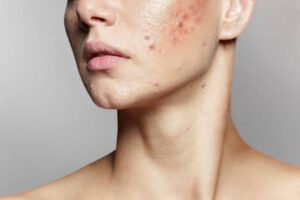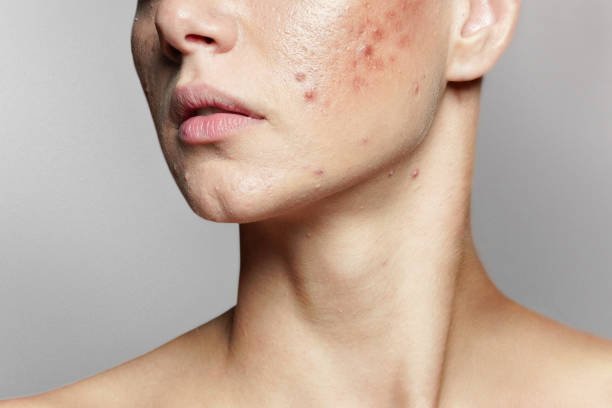
Acne marks can linger long after breakouts have settled, leaving uneven tone or texture that affects how someone feels about their skin. Laser Acne Scar treatment in Abu Dhabi may help soften the appearance of certain marks by encouraging skin renewal and targeting areas of discoloration. The results depend on the type of mark, its depth, and individual skin characteristics, so treatment is best understood as a gradual process rather than an instant fix.
Understanding Dark Acne Marks
Dark marks that remain after acne are often called post-inflammatory hyperpigmentation. They appear when inflammation prompts the skin to produce extra pigment. These flat patches may look brown, gray, or reddish, depending on skin tone and the way the skin responds to irritation. They are different from indented or raised acne scars, which involve changes to the skin’s texture.
A dark mark may fade on its own over time, although the process can be slow. Persistent discoloration can be frustrating, especially when it appears alongside uneven texture. Identifying whether a concern is mainly pigment, a true scar, or a combination helps determine whether laser treatment may be appropriate.
How Laser Treatment May Help
Laser procedures use controlled light energy to target selected areas of the skin. Depending on the technology and treatment approach, the energy may encourage gradual skin renewal or focus on excess pigment. For some people, this can make dark marks less noticeable and improve the overall appearance of uneven skin.
Laser treatment does not erase every mark, and it cannot guarantee a specific result. Some people notice a visible improvement, while others may need a different approach or a combination of treatments. A qualified skin professional can assess the marks, discuss the person’s goals, and explain what kind of change is realistic.
Which Marks May Respond?
Flat discoloration left after a breakout may respond differently from scars that create pits or raised areas. Lasers used to improve texture may be selected for indented scars, while other approaches may be considered for pigmentation. Because acne-related concerns often overlap, an assessment can help distinguish what is causing the uneven appearance.
Treatment suitability can also depend on skin tone, the location and age of the marks, previous skin irritation, and whether acne is still active. A careful evaluation gives the person a clearer picture of what laser treatment can and cannot address.
What to Expect During the Process
The experience varies according to the type of laser and the individual treatment plan. A professional may first review the person’s skin history and examine the marks. The treatment area is then prepared, and the selected device is used according to the planned settings. The appointment length and number of sessions can vary.
Improvement usually develops gradually as the skin responds and renews. Multiple sessions may be recommended, with time between them to assess progress. The person should follow the individualized instructions provided by the treating professional, since the needs of one skin type may differ from another.
Setting Realistic Expectations
Laser treatment aims to improve the appearance of acne marks, not to create flawless or completely uniform skin. Dark marks may become lighter, and texture may look smoother, but complete removal is not assured. The pace and degree of change differ from person to person.
Clear communication before treatment can help someone understand the proposed approach. It is useful to ask which concern is being treated, what improvement may be expected, how progress will be reviewed, and whether another option may better match the person’s needs.
Frequently Asked Questions
Can laser treatment fade dark acne marks?
Laser treatment may reduce the appearance of some dark marks by targeting pigment or supporting skin renewal. Its effectiveness depends on the mark’s cause, skin characteristics, and chosen laser approach. A professional assessment can help clarify whether the marks are likely to respond.
Are dark marks the same as acne scars?
Not always. Dark marks are usually flat areas of discoloration, while acne scars involve a change in skin texture, such as a depression or raised area. Some people have both, so identifying each concern helps guide treatment planning.
How many sessions may be needed?
The number of sessions varies. It depends on the type and extent of the marks, the laser selected, and how the skin responds. A treatment plan may be adjusted after progress is reviewed rather than following a fixed schedule for everyone.
When might someone notice a change?
Some people notice gradual changes after a session or a series of sessions, while others need more time. Results are not immediate for everyone, and improvement can continue as the skin renews. The treating professional can explain a suitable timeline for the individual plan.
Is laser treatment suitable for every person?
Laser treatment is not the right choice for everyone or every type of mark. Skin tone, current skin condition, medical history, and treatment goals can all matter. An in-person assessment is the best way to discuss suitability and alternatives.
A Thoughtful Approach to Clearer-Looking Skin
For someone bothered by lingering discoloration, laser treatment may offer a practical option to explore. The most helpful first step is understanding whether the concern is pigmentation, textural scarring, or both. With a suitable assessment and realistic expectations, a person can make an informed decision about whether treatment aligns with their skin goals.