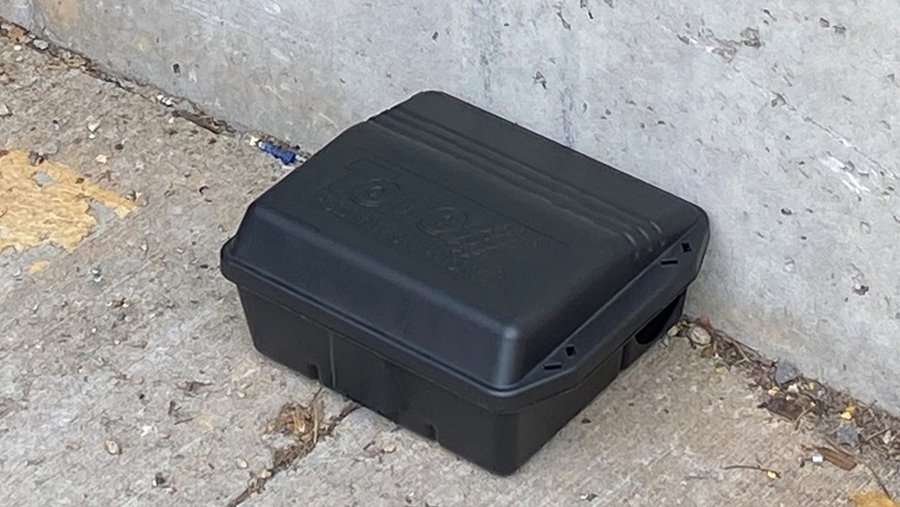
Bait Stations for Rats are safe, genuinely, but only when you’re not cutting corners on the basics. Skip a few steps and you’re risking exposure to kids, pets, even yourself without realizing it. Here’s what actually matters.
Keep Stations Out of Reach, Even the “Secure” Ones
A lot of people hear “tamper-resistant” and figure that’s the end of the conversation. It’s not, not really. A determined dog or a toddler who just won’t quit can still get into trouble if a station’s sitting right in a spot they walk through every day. Put stations somewhere low-traffic — behind furniture, tucked in utility rooms, along garage edges where nobody’s really hanging out. The locking mechanism matters, sure, but where you place the thing matters just as much, maybe more.
Wear gloves. Every Single Time.
I know it sounds like overkill to some folks, but it isn’t. Anticoagulant rodenticides can get absorbed through skin with repeated contact, and that’s not something you want building up over weeks without noticing. Grab cheap disposable gloves before you touch bait or refill a station — takes ten seconds, costs nothing. Wash your hands after too, even with gloves on, because residue ends up in places you don’t expect.

Actually Read the Label Before Doing Anything
This gets skipped constantly and it really shouldn’t be. Every product’s got its own instructions on handling, storage, application, disposal — and these differ more between brands than most people assume. Some are restricted-use near water. Others have specific reentry rules for treated spaces. Reading the label takes a few minutes, honestly, and tells you more than most generic blog advice out there, this post included.
Store Leftover Bait Somewhere Locked Up
An open bag of bait sitting in the garage is just asking for trouble eventually. Kids get curious. Pets get curious. And rodenticide packaging doesn’t always scream “dangerous” to someone who doesn’t know better. Keep unused product sealed in its original container, stored in a locked cabinet or shed, somewhere nobody stumbles across it by accident. Label it clearly too — don’t assume everyone in your house already knows what it is or what it does.
Never Put Stations Near Where Food Gets Prepped
It feels obvious saying it out loud, but it happens more than you’d guess, especially in garages doubling as storage for kitchen stuff or grilling equipment. Keep bait stations well clear of food prep areas, cookware, anything like that. Cross-contamination risk is low if you’re careful, I’ll admit, but low isn’t zero and there’s no real reason to gamble when better spots exist anyway.
Dispose of Dead Rats the Right Way
Nobody enjoys this part. But grabbing a dead rat bare-handed, or with some flimsy paper towel, isn’t a smart move. Gloves, double-bagged, disposed of per your local guidelines — some areas actually have rules around this specifically. There’s also secondary poisoning to think about, where a pet or some wild predator eats the poisoned rodent and gets sick themselves. Getting rid of it fast just makes sense all around.
Check What’s Actually Legal in Your Area
Here’s something people miss constantly — certain rodenticides are restricted depending on where you live, especially near water, farmland, or areas with protected wildlife. A few states have banned specific anticoagulant formulas entirely because of secondary poisoning hurting owls, hawks, that sort of thing. Worth a quick search before stocking up on bait in bulk, just so you’re not unknowingly breaking a rule nobody warned you about.
Don’t Overfill Stations Thinking It’s Safer
There’s this weird logic some people follow where more bait equals more safety somehow. It’s backwards, actually. Overfilled stations raise exposure risk if something gets damaged or tampered with, simply because there’s more product available to spill. Stick to the label’s recommended amount. It’s not about pinching pennies — it’s about keeping overall risk down while still dealing with the rat problem properly.
Write Down Where Every Station Actually Is
Sounds pointless until you forget where you put one, which, trust me, happens more than anyone wants to admit. A rough map, or honestly just notes in your phone, helps track maintenance and stops you from leaving one forgotten in a corner for months. Matters even more if something goes wrong — a pet acting sick, say — and you need to quickly rule out every possible source instead of guessing.
Know What Exposure Looks Like, Act Fast If You See It
Stuff happens even when you’re careful, so it helps knowing the warning signs ahead of time. In pets that’s often lethargy, odd bruising, bleeding, vomiting. Humans can show similar symptoms with enough contact. If you think exposure happened, call poison control or a vet right away rather than waiting around to see if it gets worse. Keep the product packaging nearby too — whoever you call will probably ask what active ingredient was involved.
Conclusion
None of this is complicated once it clicks, it’s really just consistency and a bit of common sense applied over and over. Bait Stations do their job well, but only for people who aren’t skipping steps on storage, placement, or basic handling. Read the labels, lock things up properly, keep kids and pets clear of access points — do that and you’ll sidestep most of the problems people run into when safety gets treated as an afterthought instead of just part of the process.
FAQs
Are bait stations safe around pets?
Mostly yes, as long as you’re using tamper-resistant ones placed away from high-traffic pet spots and checking them now and then for damage.
What if my pet eats poisoned bait by accident?
Call your vet or an animal poison control line right away, and grab the product label so they know exactly what ingredient’s involved.
Do I really need gloves for refilling bait stations?
Yeah, every time. Skin contact with rodenticide adds up over repeated exposure, so gloves are a small step that’s genuinely worth it.
Can bait stations go near a garden or water source?
Check your local rules first — some rodenticides are restricted near water or food-growing areas because of contamination and wildlife risk.
What’s the safe way to remove a dead rat near a station?
Gloves on, double-bag it, dispose of it per local guidelines. Don’t handle it bare-handed given the secondary poisoning risk involved.