Drooping eyelid skin can make the eyes appear tired, heavy, or less open than they feel. Eyelid Surgery in Abu Dhabi addresses this concern by removing or repositioning selected tissue around the upper or lower eyelids. The approach is planned to suit each person’s eyelid shape, skin, and goals, while preserving a natural-looking appearance.
What Drooping Eyelid Skin Can Look Like
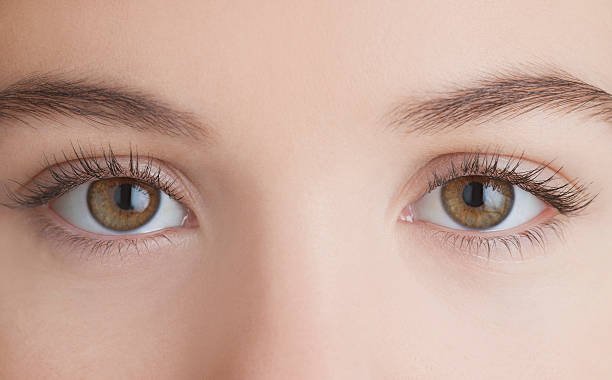
As skin changes over time, it can gradually lose firmness. On the upper eyelids, excess skin may fold over the natural crease and create a hooded appearance. In some cases, the fold can extend close to the eyelashes and make the eyes seem smaller.
The lower eyelids may develop loose skin or a puffy contour. These changes can affect the transition between the eyelid and cheek, making the area look less smooth. Drooping skin is not the same as a low-positioned eyelid margin, so an assessment helps clarify which structures are involved.
How Eyelid Surgery Works
Eyelid surgery, also called blepharoplasty, reshapes the tissues of the eyelids. For upper eyelid surgery, an incision is commonly placed within the natural crease. This allows the surgeon to access and remove or reposition a measured amount of excess skin and, when appropriate, tissue beneath it.
For lower eyelid surgery, the incision may be placed just below the lashes or inside the lower eyelid, depending on the person’s anatomy and treatment plan. The aim may be to address loose skin, adjust underlying tissue, or create a smoother contour.
The specific technique varies. Surgery is not based on removing as much skin as possible. Careful planning helps retain eyelid function and a balanced shape, rather than making the eyes look unnaturally tight or surprised.
How the Procedure Corrects Drooping Skin
The correction begins with an assessment of the eyelids while the face is relaxed and during natural movements such as blinking and closing the eyes. The position of the eyelid crease, skin laxity, tissue fullness, and overall facial proportions are considered.
During upper eyelid surgery, excess skin is measured and removed or repositioned so the fold sits more comfortably above the lashes. If the underlying tissue contributes to fullness, it may also be adjusted when appropriate. The incision is generally placed where it can follow the natural crease.
Lower eyelid surgery focuses on the skin and structures that create a loose or uneven contour. Depending on the individual, the surgeon may tighten or reposition tissue to soften the appearance of puffiness and improve the transition beneath the eyes.
What the Assessment Considers
A thorough consultation helps determine whether eyelid surgery is suitable and which areas may benefit. The assessment may include:
- The amount and position of excess skin
- The shape and movement of each eyelid
- The person’s facial proportions and desired outcome
- Relevant health history and previous eye procedures
- Whether the concern involves skin, the eyelid margin, or both
A person’s goals matter, but they are considered alongside eyelid function and anatomy. The plan is tailored rather than based on one standard eyelid shape.
What to Expect During Recovery
Recovery varies according to the procedure and the individual. The eyelids may need time to settle as the tissues heal, and the appearance can change gradually during that period. Follow-up appointments allow the healing process and the incision areas to be reviewed.
The care team provides instructions for the recovery period based on the procedure performed. Following those directions and attending scheduled reviews can help support a smooth recovery. Each person should allow enough time for the eyelids to look and feel settled before judging the final result.
Results and Natural Appearance
Eyelid surgery can reduce the appearance of excess skin and make the eyes look more open and refreshed. It changes the eyelid contours rather than changing a person’s basic identity or facial expression. Results depend on factors such as skin quality, anatomy, and the technique used.
A natural-looking outcome usually comes from conservative planning that respects the eyelid’s shape and movement. The goal is not to create identical eyelids, since natural faces have small differences. Instead, the treatment aims for a balanced appearance that suits the rest of the face.
Who May Consider Eyelid Surgery
People who feel that loose eyelid skin makes their eyes appear heavy may wish to learn more about the procedure. Some may be concerned about the upper eyelid fold, while others may focus on the lower eyelid contour. A consultation can help explain whether surgery addresses the specific concern and what result is realistic.
Eyelid surgery is a personal decision. A qualified assessment can clarify the available approach, expected changes, and whether another option is more appropriate for the person’s needs.
Frequently Asked Questions
Does eyelid surgery remove all eyelid skin?
No. The procedure is planned to address a suitable amount of excess skin while preserving a comfortable eyelid shape and natural movement. Removing too much skin is not the goal.
Can upper and lower eyelids be treated together?
In some cases, both areas may be addressed as part of an individual plan. Whether this is suitable depends on the person’s anatomy, goals, and assessment.
Will the eyes look different afterward?
The eyes may appear more open or less heavy, but the aim is generally to retain the person’s natural features. Subtle changes in eyelid contours can make the face look more rested without changing its fundamental appearance.
How long does it take to see the final appearance?
The eyelids settle over time, and the pace varies between individuals. The care team can explain what changes to expect at each stage and when the result can be assessed more fully.
Is eyelid surgery suitable for every kind of drooping?
Not necessarily. Drooping can involve excess skin, the position of the eyelid margin, or a combination of factors. An assessment helps identify the cause and whether eyelid surgery is an appropriate way to address it.