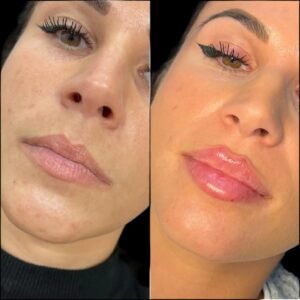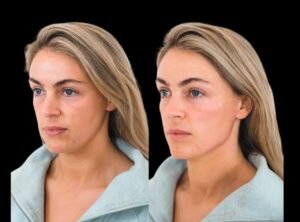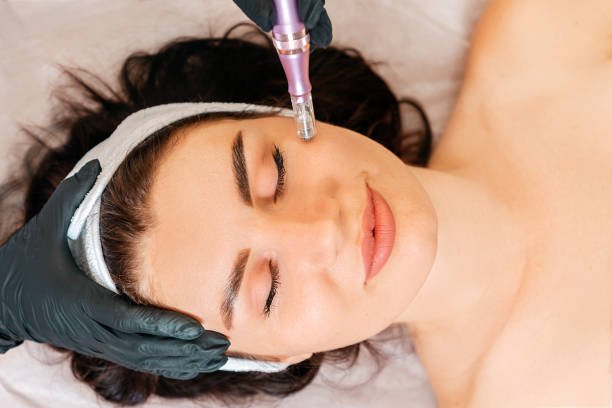
Skin damage can appear as uneven texture, visible pores, acne marks, fine lines, or areas of discoloration. Dermapen Microneedling in Abu Dhabi is a treatment designed to encourage the skin’s natural renewal process. It uses a pen-shaped device with fine, sterile needles to create controlled microchannels in the skin. These tiny channels prompt the body to produce collagen and elastin, two proteins that help support a smoother, firmer-looking complexion.
The treatment does not simply cover imperfections. Instead, it aims to stimulate renewal within the skin over time. Results develop gradually as the skin repairs itself, so improvement is typically seen across a series of sessions rather than immediately.
How Dermapen Microneedling Works
A trained skincare professional moves the Dermapen device across the targeted area. The needle depth and technique are adjusted according to the skin’s needs and the area being treated. The process creates precise micro-injuries without removing the skin’s surface in the same way as some resurfacing procedures.
The body responds to these microchannels by beginning a repair process. New collagen and elastin may form as the skin renews, which can gradually improve texture and the appearance of certain marks. The microchannels also make the skin temporarily more receptive to suitable professional skincare applications during the procedure. Any such application should be selected by the professional as part of the treatment plan.
Skin Concerns It May Address
Dermapen microneedling may be considered for several types of visible skin damage. Its suitability depends on the person’s skin, the concern being treated, and an in-person assessment.
Acne Marks and Uneven Texture
Some acne marks can leave shallow depressions or rough patches. By encouraging collagen production, microneedling may help soften the appearance of certain textural irregularities over time. Deeper or more pronounced scarring may need a different approach, so an assessment helps set realistic expectations.
Fine Lines and Loss of Firmness
As collagen levels change with age, fine lines and reduced firmness can become more noticeable. Microneedling encourages a gradual renewal response that may make the skin appear smoother and more supple. It is not a substitute for surgery, and results vary from person to person.
Visible Pores and Roughness
Pore size is influenced by several factors, including skin type and natural structure. Microneedling cannot permanently remove pores, but improvements in overall texture and firmness may make them look less prominent. It may also help skin feel more even to the touch.
Uneven Tone and Surface Marks
Some surface discoloration and sun-related marks may improve as the skin renews. However, different types of pigmentation respond differently. A professional assessment is especially important when dark patches are persistent, changing, or unexplained, since microneedling may not be appropriate for every pigmentation concern.
What Happens During a Session?
The professional usually begins by discussing the person’s concerns, skin history, and goals. The skin is cleansed, and a topical numbing product may be used when appropriate to make the procedure more comfortable. The device is then passed over the selected area using controlled movements.
A session’s length depends on the size of the area and the treatment plan. The sensation can vary, but people often describe it as a light prickling or vibration. After the treatment, the skin may look flushed, similar to mild sun exposure. The professional explains what to expect as the skin settles and when another session may be considered.
How Many Sessions May Be Needed?
The number of sessions depends on the concern, its severity, and how the skin responds. Mild texture concerns may need a different plan from established acne marks. Sessions are generally spaced apart to allow the skin time to complete its repair process.
A professional can recommend a suitable schedule after assessing the skin. Progress is usually gradual, and photographs taken at consistent intervals may help show subtle changes. The aim is steady improvement rather than an overnight transformation.
Who May Be Suitable?
The treatment may suit people seeking gradual improvement in skin texture, mild scarring, or fine lines. Suitability cannot be determined by appearance alone. A professional should review relevant skin conditions, previous treatments, sensitivity, and personal goals before recommending microneedling.
Some skin concerns may call for another treatment or a delay until the skin is settled. A careful consultation helps identify whether the procedure fits the person’s needs and supports a realistic, individualized plan.
Aftercare Tips
Keep the Routine Gentle
Following the professional’s instructions is important while the skin is recovering. A gentle cleansing routine and simple hydration may be recommended. Scrubbing, picking, or rubbing treated areas can interfere with the skin’s recovery.
Protect the Skin
The skin may be more sensitive after a session. Sun protection and limiting direct sun exposure can help protect the treated area while it settles. The professional can explain which protective measures are appropriate for the individual.
Follow Professional Guidance
People should ask when to return to their usual skincare routine and when to schedule another session. If the skin’s appearance or comfort raises concern, they should contact the professional who performed the treatment rather than trying unverified remedies.
Frequently Asked Questions
Does Dermapen Microneedling Treat All Types of Skin Damage?
No single treatment addresses every concern. Microneedling may help with selected texture issues, mild acne marks, and fine lines, but suitability depends on the type and depth of skin damage. An assessment can clarify what improvement may be realistic.
When Might Results Become Noticeable?
Some people notice a fresher appearance as the skin settles, while changes in texture and firmness may take longer. Collagen renewal is gradual, so visible progress can develop over several weeks and may continue across a planned series of sessions.
Is the Treatment Personalized?
Yes. Needle depth, treatment area, session spacing, and the approach used should be chosen according to the person’s skin and goals. A professional consultation helps ensure the plan is tailored rather than applied as a one-size-fits-all procedure.
Can It Be Combined With Other Treatments?
A professional may discuss other suitable options, but treatments should not be combined without guidance. The order and timing matter, particularly when the skin needs time to recover. A personalized plan helps avoid unnecessary procedures and keeps expectations clear.
A Gradual Approach to Skin Renewal
Dermapen microneedling works by encouraging the skin’s own repair response, which may gradually improve selected signs of damage. Its potential benefits include smoother-looking texture, softened acne marks, and a fresher appearance. Because every person’s skin is different, an informed assessment and consistent professional guidance are central to achieving an appropriate outcome.