Water plays a central role in everyday life. We use it for drinking, cooking, cleaning, bathing, and many other household tasks.
Because of this, homeowners often pay close attention to water quality and plumbing performance. A suitable filtration system can improve the way household water is treated. Well-maintained faucets can also help prevent leaks and unnecessary water waste.
Two common plumbing considerations involve water filtration and faucet maintenance. Reverse osmosis systems can provide additional filtration for drinking water. Faucet repairs can address leaks, poor flow, and worn components.
Advantage Plumbing & Rooter LLC helps homeowners address a range of plumbing needs. Understanding these services can help property owners recognise potential problems and make informed decisions.
Understanding Your Home’s Water Needs
Every home has different water requirements.
Some homeowners primarily want better-tasting drinking water. Others may notice mineral deposits, unusual odours, or concerns about the quality of their tap water.
It is important to identify the specific concern before selecting a treatment system.
Water filtration does not involve one universal solution. Different systems target different substances. The appropriate option depends on the household’s water source and treatment goals.
Homeowners should therefore avoid choosing equipment based solely on marketing claims.
Instead, consider what you want the system to achieve.
Do you want filtered drinking water? Do you want to reduce specific contaminants? Do you want a dedicated system for one tap?
These questions can help narrow the available options.
What Is Reverse Osmosis?
Reverse osmosis uses a semipermeable membrane to separate certain dissolved substances from water.
Water moves through the membrane under pressure. The membrane allows water molecules to pass while restricting many dissolved substances.
The process can form part of a multi-stage filtration system. Depending on the system design, additional filters may work before or after the membrane.
Reverse osmosis is commonly used for drinking water applications.
The system does not necessarily replace every other type of household water treatment. Its purpose depends on the system configuration and the quality of the incoming water.
Why Homeowners Consider Reverse Osmosis
Many homeowners choose reverse osmosis for drinking and cooking water.
One reason involves taste. Filtration can alter the concentration of certain dissolved substances that affect water flavour.
Some systems can also reduce various contaminants. However, performance depends on the specific system and its certification.
Homeowners should therefore check the manufacturer’s specifications.
A suitable system can provide treated water directly at a designated faucet. This can be convenient for drinking and food preparation.
For homeowners researching Reverse Osmosis Systems in Sun City, AZ, professional advice can help determine whether this type of filtration suits the household’s needs.
How Reverse Osmosis Systems Work
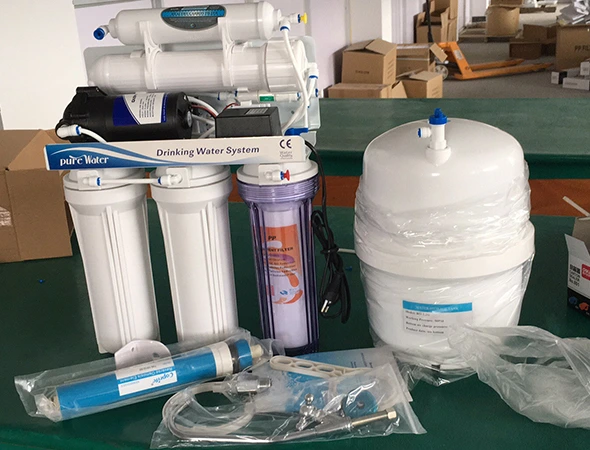
A typical reverse osmosis system contains several stages.
Pre-filters may remove sediment and other particles. Another filter may reduce chlorine or certain organic compounds.
The reverse osmosis membrane then performs the primary separation process.
Some systems include a post-filter before the treated water reaches the faucet.
The exact configuration varies between products.
A storage tank may also form part of the system. It stores treated water so it can be available when needed.
Modern systems can vary considerably in design. Homeowners should compare capacity, filtration stages, maintenance requirements, and available certifications.
Reverse Osmosis Maintenance
Like other plumbing equipment, filtration systems require maintenance.
Filters eventually become less effective. Manufacturers provide replacement schedules based on system design and usage.
The membrane may also require replacement at certain intervals.
Ignoring maintenance can affect system performance.
Homeowners should monitor changes in water taste, flow, or overall system operation.
A professional can also inspect the system when maintenance or troubleshooting is required.
Regular maintenance helps ensure that the equipment continues operating according to its intended design.
Where Should a Reverse Osmosis System Be Installed?
Reverse osmosis systems are often installed beneath a kitchen sink.
This location provides convenient access to drinking water. A dedicated faucet can dispense treated water separately from the main kitchen faucet.
However, available cabinet space matters.
The system may require room for filters, a storage tank, tubing, and other components.
Installation should also consider drainage and water connections.
Professional installation can help ensure that the system fits the available space and connects correctly.
Understanding Faucet Problems
Faucets receive frequent use.
Over time, components can wear down. Seals may deteriorate. Cartridges can also develop problems.
Common signs of faucet trouble include:
- Dripping water
- Reduced water flow
- Leaking handles
- Water around the base
- Difficulty turning the handle
- Unusual noises
- Loose components
Some issues may involve simple component replacement.
Others may indicate a more extensive plumbing problem.
Identifying the source of the issue matters before deciding whether repair or replacement makes sense.
Why Faucet Leaks Matter
A dripping faucet may seem like a minor inconvenience.
However, even a small leak can waste water over time. Persistent moisture can also affect surrounding surfaces.
Leaks around the base can create another concern. Water may reach cabinets or countertops beneath the fixture.
The sooner a leak receives attention, the easier it may be to manage.
Homeowners should not ignore persistent dripping or moisture.
Professional Faucet Repair & Replacement in Gilbert, AZ can help identify worn components and determine whether repair or replacement is appropriate.
Repair or Replace Your Faucet?
Not every faulty faucet needs complete replacement.
A damaged cartridge, worn seal, or loose component may be repairable.
However, replacement may make more sense when the faucet has extensive damage or repeated problems.
Age can also influence the decision.
Older faucets may have discontinued components. Finding compatible replacement parts can become more difficult.
Homeowners may also choose replacement when they want a different style or improved functionality.
The decision should consider repair cost, fixture condition, availability of parts, and homeowner preferences.
Common Faucet Components
Understanding basic faucet components can help homeowners recognise common problems.
The cartridge controls water flow and temperature in many modern faucets.
Aerators sit at the end of the spout. They regulate the water stream and can accumulate mineral deposits.
Supply lines connect the faucet to the home’s water supply.
Seals and O-rings help prevent leaks around moving or connected components.
A problem with any of these parts can affect faucet performance.
Professional diagnosis can identify which component requires attention.
Reduced Faucet Flow
Low flow does not always mean the faucet needs replacement.
An aerator may contain mineral deposits. Cleaning or replacing it may restore normal flow.
A supply issue can also affect performance.
If multiple fixtures experience low pressure, the problem may involve a wider plumbing issue rather than one faucet.
Homeowners should therefore consider whether the problem affects one fixture or several.
This distinction can help identify the appropriate next step.
Choosing a New Faucet
A replacement faucet should suit both the sink and household needs.
Start with the sink configuration. The number and position of mounting holes can affect compatible faucet styles.
Spout height and reach also matter.
A faucet should provide enough clearance for normal use. However, excessive reach may cause water to land outside the intended basin area.
Finish is another consideration. Chrome, brushed finishes, and other options can provide different appearances and maintenance requirements.
Function should remain a priority alongside design.
Water Efficiency and Faucets
Water-efficient fixtures can help reduce unnecessary consumption.
Aerators can reduce flow while maintaining a useful water stream. Some faucets are designed specifically to use less water.
However, efficiency should not compromise everyday usability.
Homeowners should consider the fixture’s flow rate and intended use.
A professional plumber can explain available options and help homeowners select a suitable fixture.
Small changes across frequently used fixtures can contribute to more efficient household water use.
When Professional Plumbing Help Makes Sense
Some plumbing issues are straightforward. Others require specialised knowledge.
A faucet replacement may appear simple but can involve shut-off valves, supply connections, mounting hardware, and sealing.
Reverse osmosis systems also involve several water connections and filtration components.
Professional installation can help ensure the equipment works correctly.
It can also help identify related plumbing issues that homeowners may not notice.
This is particularly useful when a problem continues after a basic repair.
Protecting Your Plumbing Investment
Good maintenance can extend the useful life of plumbing fixtures and filtration equipment.
For faucets, clean mineral deposits regularly. Avoid using harsh products that could damage finishes.
For filtration systems, replace filters according to manufacturer recommendations.
Homeowners should also pay attention to small changes.
A slower flow, unusual taste, persistent dripping, or new moisture can indicate a developing issue.
Early attention may prevent a small problem from becoming more disruptive.
What to Consider Before a Plumbing Project
Before starting a project, identify the main goal.
For water filtration, determine what you want the system to accomplish. Consider the available installation space and expected water usage.
For faucet work, identify whether the issue involves leaking, flow, operation, or appearance.
Next, consider the existing plumbing.
Older valves or connections may require attention during fixture replacement.
Clear expectations can help homeowners understand the project’s scope before work begins.
Working With Advantage Plumbing & Rooter LLC
Advantage Plumbing & Rooter LLC provides plumbing services for homeowners who need help with different plumbing concerns.
Its role can include addressing fixture problems, plumbing repairs, and water-related installations.
For homeowners considering filtration equipment, professional guidance can help determine whether a particular system suits the property.
For faucet problems, an inspection can help establish whether repair or replacement makes more sense.
The right solution depends on the condition of the plumbing and the homeowner’s goals.
Frequently Asked Questions
What does a reverse osmosis system remove?
Reverse osmosis can reduce many dissolved substances from water. The exact performance depends on the membrane, system design, and certification. Homeowners should review manufacturer specifications for specific contaminants.
How often should reverse osmosis filters be replaced?
Replacement schedules vary between systems. Manufacturers provide recommended intervals based on filter type and expected usage. Heavy household use may affect replacement needs.
Why is my faucet dripping?
A worn cartridge, seal, O-ring, or valve component can cause dripping. Mineral deposits may also contribute to problems. A plumber can identify the specific cause.
Should I repair or replace my faucet?
Repair may make sense when the fixture has a minor component failure. Replacement may be preferable when the faucet has significant wear or repeated problems.
Can low water pressure come from a faucet?
Yes. A blocked aerator or fixture component can restrict flow. However, low pressure throughout the home may indicate a broader plumbing issue.
Are reverse osmosis systems suitable for every home?
Not necessarily. Suitability depends on water quality, household needs, available space, and installation requirements. A professional assessment can help determine whether the system is appropriate.
Conclusion
Water filtration and faucet maintenance can both support a more functional home.
Reverse osmosis can provide an additional level of drinking water treatment. Faucets require attention when leaks, poor flow, or worn components affect performance.
Homeowners should identify their specific needs before choosing equipment or services. Professional guidance can also help prevent unsuitable installations or unnecessary replacements.
For homeowners exploring Reverse Osmosis Systems in Sun City, AZ, understanding filtration stages and maintenance requirements is an important starting point. Those considering Faucet Repair & Replacement in Gilbert, AZ should assess the fixture’s condition before deciding between repair and replacement.
Advantage Plumbing & Rooter LLC can help homeowners address these plumbing needs with practical solutions suited to their property.