Some people sweat much more than their bodies need to stay cool. This condition, known as hyperhidrosis, can affect the underarms, palms, soles, or other areas. It may interfere with everyday activities, clothing choices, and confidence. Botox Injections for Sweaty Glands in Abu Dhabi are one treatment option that may help reduce sweating in specific areas.
How Botox Injections Reduce Sweating
Botox is a purified protein used in small, targeted injections. For excessive sweating, it works by temporarily interrupting the nerve signals that activate sweat glands in the treated area. The glands remain in place, but they produce less sweat while those signals are reduced.
The treatment is local: it is intended to affect the selected area rather than stop sweating throughout the body. Sweating elsewhere continues to help regulate body temperature.
Areas That May Be Treated
A qualified healthcare professional may consider Botox for excessive sweating in areas such as:
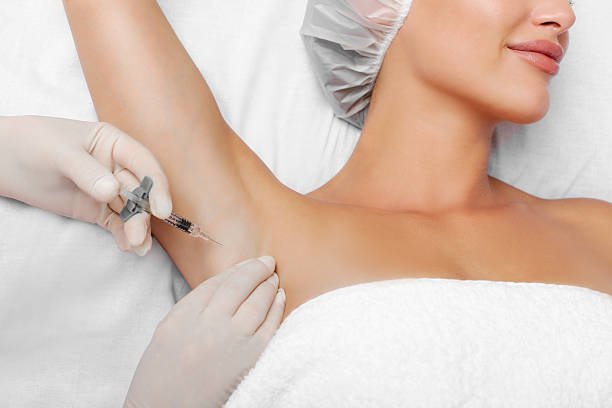
- Underarms
- Palms
- Soles
- Forehead or scalp, in selected cases
Suitability depends on the location and pattern of sweating, medical history, and an individual assessment.
What to Expect During Treatment
Before treatment, the healthcare professional reviews the person’s symptoms and checks whether the sweating may be linked to another health issue. They may also identify the areas that are producing excess sweat.
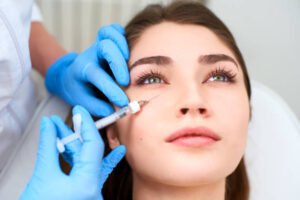
The skin is cleaned, and small amounts of Botox are injected at multiple points in the selected area. The appointment is generally brief, though the exact process depends on the treatment area and the person’s needs.
When Results May Appear and How Long They Last
Sweating may begin to decrease over several days, with the full effect developing over about one to two weeks. The duration varies from person to person and by treatment area. The effect is temporary, so sweating can gradually return and a healthcare professional can advise whether another session is appropriate.
Who May Be Suitable?
Botox may be considered when excessive sweating is persistent and other approaches have not provided enough relief. A healthcare professional can determine whether it is suitable after reviewing the person’s health, symptoms, and treatment goals.
People should mention any relevant medical conditions, medicines, allergies, or previous treatments during the consultation. The assessment also helps distinguish primary hyperhidrosis from sweating that may be related to another condition.
Questions to Discuss Before Treatment
A consultation can help a person understand what the treatment can realistically achieve. Useful topics include:
- Which areas can be treated
- How much reduction in sweating may be expected
- When results are likely to become noticeable
- How long the effect may last
- Whether another treatment approach may be more suitable
Frequently Asked Questions
Can Botox completely stop sweating?
Botox usually aims to reduce sweating in the treated area, not eliminate it entirely. The amount of improvement varies, and sweating continues in untreated areas.
Is the treatment permanent?
No. The effect is temporary. Sweat-gland activity gradually returns as the nerve signals recover, and a healthcare professional can discuss whether repeat treatment is appropriate.
How quickly does it work?
Some people notice a change within several days. The full effect may take around one to two weeks.
Can more than one area be treated?
More than one area may be considered, depending on the person’s needs and clinical assessment. The treatment plan should be decided with a qualified healthcare professional.
Does Botox treat the cause of excessive sweating?
It reduces sweat-gland activity in the treated area but does not necessarily address an underlying cause. Persistent or newly developed excessive sweating should be discussed with a healthcare professional.
Making an Informed Decision
Botox injections can offer targeted, temporary relief for some people with excessive sweating. A professional assessment helps confirm whether the treatment is appropriate, set realistic expectations, and choose the areas to treat.