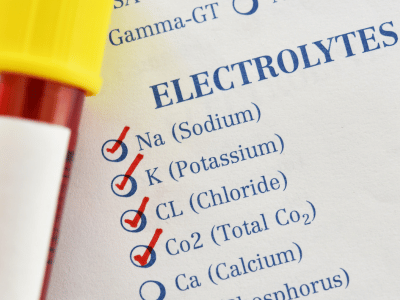
Potassium Test
Potassium is one of the body’s most essential electrolytes, helping regulate muscle function, nerve signals, heartbeat, and fluid balance. Because potassium plays such an important role in overall health, doctors often order a potassium test to evaluate whether the body’s electrolyte levels are within a healthy range. However, many people do not realize that hydration status can directly influence test results.
Dehydration affects the body in several ways, including altering electrolyte balance and kidney function. When the body loses too much fluid, potassium levels may rise or fall depending on the severity and underlying cause of dehydration. This is why healthcare professionals carefully consider hydration levels when interpreting potassium test results.
Healthcare platforms like Instacare.pk help patients access reliable diagnostic testing and professional medical consultations for accurate health assessments.
What Is a Potassium Test?
A potassium test is a blood test that measures the amount of potassium in the bloodstream. Potassium is an electrolyte responsible for maintaining normal cell activity and supporting essential body systems.
Doctors usually order this test as part of an electrolyte panel or routine health screening. The test helps identify conditions related to abnormal potassium levels, including:
- Kidney disorders
- Heart conditions
- Dehydration
- High blood pressure
- Muscle weakness
- Digestive illnesses
The normal potassium range generally falls between 3.5 and 5.0 milliequivalents per liter (mEq/L), though slight variations may exist between laboratories.
Understanding Dehydration
Dehydration occurs when the body loses more fluids than it takes in. Water is essential for maintaining circulation, temperature regulation, digestion, and electrolyte balance. Without enough fluid, the body struggles to function properly.
Dehydration can result from several factors, including:
- Excessive sweating
- Vomiting
- Diarrhea
- Fever
- Inadequate water intake
- Intense exercise
- Certain medications
Even mild dehydration can impact energy levels and physical performance. Severe dehydration may become a medical emergency if left untreated.
How Potassium Works in the Body
Potassium is mainly stored inside the body’s cells. Only a small amount circulates in the bloodstream, but that small amount is carefully regulated because it affects vital functions like muscle contractions and heart rhythm.
The kidneys play a major role in maintaining potassium balance. They remove excess potassium through urine while keeping enough in the body to support healthy cellular function.
When hydration levels change, kidney performance and electrolyte concentrations can also shift. This is why dehydration can affect potassium test results.
Can Dehydration Increase Potassium Levels?
Yes, dehydration can sometimes cause potassium levels to appear higher than normal. This condition is known as hyperkalemia.
When the body loses fluid, the blood becomes more concentrated. As a result, electrolyte levels, including potassium, may temporarily rise in the bloodstream. In severe dehydration, reduced kidney function may also prevent excess potassium from being removed efficiently.
High potassium levels can be dangerous because they may interfere with heart function. Symptoms may include:
- Muscle weakness
- Fatigue
- Nausea
- Irregular heartbeat
- Tingling sensations
Doctors often investigate hydration status when potassium results appear elevated.
Can Dehydration Lower Potassium Levels?
In some cases, dehydration can also lead to low potassium levels, known as hypokalemia. This usually occurs when dehydration is caused by excessive vomiting, diarrhea, or prolonged sweating.
During these situations, the body loses not only water but also important electrolytes. Potassium depletion can cause symptoms such as:
- Muscle cramps
- Weakness
- Fatigue
- Constipation
- Abnormal heart rhythms
This is why the underlying cause of dehydration matters when interpreting potassium test results.
Why Doctors Consider Hydration Before Testing
Healthcare professionals understand that hydration status can influence blood test accuracy. If a patient is significantly dehydrated, test results may not fully reflect the body’s usual electrolyte balance.
Doctors may ask questions about:
- Fluid intake
- Recent illness
- Exercise habits
- Vomiting or diarrhea
- Medication use
In some cases, repeat testing may be recommended after hydration improves to confirm the results.
Through Instacare.pk, patients can easily schedule laboratory tests and consult qualified healthcare professionals for proper result interpretation.
Signs You May Be Dehydrated
Recognizing dehydration early can help prevent complications and improve overall health. Common signs of dehydration include:
- Dry mouth
- Dark yellow urine
- Dizziness
- Fatigue
- Increased thirst
- Headaches
- Reduced urination
- Muscle cramps
Severe dehydration may cause confusion, rapid heartbeat, or fainting, requiring immediate medical attention.
Other Factors That Affect Potassium Test Results
Although dehydration is an important factor, several other conditions can also influence potassium levels.
Kidney Disease
Since the kidneys regulate potassium balance, impaired kidney function can lead to abnormal potassium levels.
Medications
Certain medications, including diuretics and blood pressure drugs, may either raise or lower potassium.
Diet
Excessive intake of potassium-rich foods or supplements can affect blood potassium levels in some individuals.
Hormonal Disorders
Hormones such as aldosterone help regulate potassium and sodium balance. Hormonal imbalances may alter potassium levels.
Intense Physical Activity
Heavy exercise and sweating can temporarily influence electrolyte balance and hydration status.
How to Prepare for a Potassium Test
Proper preparation can help improve the accuracy of potassium test results. Doctors may provide specific instructions depending on the individual’s health condition and medications.
General preparation tips include:
- Drink adequate water unless advised otherwise
- Avoid excessive exercise before testing
- Inform the doctor about medications or supplements
- Follow fasting instructions if required
Staying properly hydrated before testing may help reduce the risk of misleading results caused by fluid imbalance.
How Dehydration Is Treated
Treatment depends on the severity and cause of dehydration.
Mild Dehydration
Mild cases can often be treated by increasing fluid intake through water and electrolyte-rich beverages.
Moderate to Severe Dehydration
Severe dehydration may require medical treatment, including intravenous fluids and electrolyte replacement.
Doctors also address the underlying cause, such as infection, digestive illness, or medication-related fluid loss.
Why Accurate Potassium Testing Matters
Potassium imbalances can affect multiple organs, especially the heart and muscles. Accurate testing is essential because untreated potassium disorders may lead to serious complications.
Low potassium can cause muscle weakness and dangerous heart rhythm changes, while high potassium may increase the risk of cardiac arrest in severe cases.
Doctors rely on potassium tests to guide treatment decisions, monitor chronic conditions, and evaluate overall health status.
Tips to Maintain Healthy Hydration and Potassium Balance
Keeping the body properly hydrated can support healthy electrolyte levels and improve overall well-being.
Helpful strategies include:
- Drink water regularly throughout the day
- Eat potassium-rich foods in moderation
- Replace fluids during illness or exercise
- Avoid excessive caffeine and alcohol
- Seek medical care for prolonged vomiting or diarrhea
- Attend regular health checkups
Balanced hydration and nutrition play an important role in maintaining healthy potassium levels.
Conclusion
Dehydration can significantly affect potassium test results by either increasing or lowering potassium levels depending on the underlying cause. Because hydration directly influences kidney function and electrolyte balance, doctors carefully evaluate fluid status when interpreting laboratory findings.
Whether dehydration results from illness, excessive sweating, poor fluid intake, or medication use, recognizing and correcting the issue is essential for accurate diagnosis and proper treatment. A potassium test remains one of the most valuable tools for assessing electrolyte health and identifying potential medical concerns early.
With trusted healthcare services from Instacare.pk, patients can conveniently access potassium test in islamabad, professional consultations, and reliable healthcare support to better manage their health and wellness.