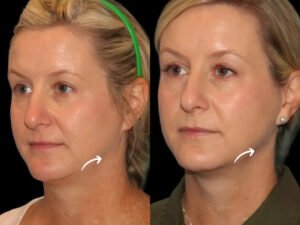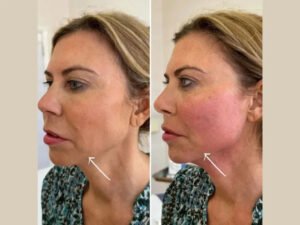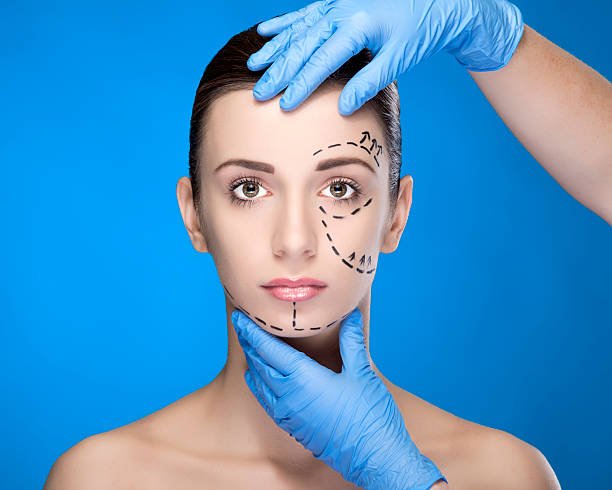
A Facelift in Abu Dhabi may help create a firmer-looking lower face by addressing visible looseness around the cheeks, jawline, and lower cheeks. The procedure is designed to reposition underlying tissues and remove selected excess skin, rather than simply tightening the skin’s surface. Whether it is suitable depends on a person’s facial features, degree of skin laxity, health, and expectations. A consultation with a qualified medical professional can help clarify what changes may be realistic.
What a Facelift Can Address
A facelift is a surgical procedure intended to improve signs of facial laxity, particularly in the lower face and along the jawline. With age, skin may lose elasticity, while deeper tissues can shift downward. These changes may soften the jawline or contribute to a fuller appearance around the lower cheeks.
During surgery, the clinician works with the facial tissues and skin to create a smoother contour. The specific approach varies according to the individual’s anatomy and goals. A facelift may be performed on its own or considered alongside other procedures, but the treatment plan should be tailored rather than based on a standard idea of what every face needs.
How It May Help the Lower Face
A More Defined Jawline
Loose skin near the jaw can blur the transition between the face and neck. By addressing excess skin and repositioning supporting tissue, a facelift may make the jawline appear more distinct. The result is usually a refreshed contour, not a completely different facial shape.
Reduced Appearance of Lower-Cheek Heaviness
When tissues descend, the lower cheeks may look heavier than before. A facelift can lift and support these tissues, helping the area appear smoother. The degree of improvement depends on how much laxity is present and how the face naturally holds its volume.
Smoother Facial Contours
A firmer-looking lower face does not necessarily mean a tight or pulled appearance. A carefully planned procedure aims to create balanced contours that fit the person’s facial structure. The goal is generally to soften signs of sagging while preserving recognizable features and natural expression.
Who May Consider a Facelift?
A person may consider a facelift if loose skin or changes around the lower cheeks and jawline remain noticeable to them. Good candidates are generally in stable health and have realistic expectations about what surgery can and cannot achieve. Age alone does not determine suitability; facial anatomy, skin quality, medical history, and personal priorities also matter.
A facelift does not prevent future ageing. The face continues to change over time, although the improvement may remain visible for years. Someone considering surgery should be comfortable with this gradual process and have time to discuss their goals, ask questions, and consider alternatives.
What Happens During a Consultation?
A consultation helps establish whether a facelift fits the person’s needs. The clinician may ask about medical history, previous procedures, medications, and the changes the person hopes to see. An examination of the face and neck can help identify which areas contribute most to the appearance of looseness.
It can be useful for the person to describe their concerns in everyday language, such as wanting a clearer jawline or less heaviness in the lower cheeks. They can also ask what areas are likely to change, what the procedure involves, and what the recovery period generally requires. Clear communication helps prevent assumptions and supports informed decision-making.
Understanding the Procedure and Results
A facelift is not a single, identical operation for everyone. The technique and extent of treatment depend on the individual’s facial structure and the areas being addressed. The clinician should explain the proposed approach, where incisions may be placed, and how the plan relates to the person’s goals.
Results develop as healing progresses. Early changes may not reflect the final appearance, and individual recovery experiences vary. A realistic outcome is usually an improved, firmer-looking contour rather than perfectly smooth skin or a permanent return to an earlier appearance. The most helpful expectation is a refreshed version of the person’s own features.
Alternatives and Personal Preferences
Not everyone with lower-face concerns needs surgery. Some people may prefer to wait, while others may discuss non-surgical options with a qualified professional. These approaches differ in what they can address and how long their effects may last. They should not be treated as interchangeable with a facelift, particularly when significant loose skin is the main concern.
The choice should follow an individual assessment, not pressure to pursue a particular procedure. A person can take time to weigh potential benefits, limitations, and personal comfort before deciding. Choosing no treatment is also a valid option.
Frequently Asked Questions
Can a facelift make the lower face look firmer?
It may improve the appearance of laxity around the lower cheeks and jawline by repositioning tissues and addressing excess skin. The amount of visible change varies from person to person.
Will the result look natural?
A natural-looking result is an important aim, but it depends on the surgical plan, facial anatomy, healing, and expectations. The person should discuss their preferred appearance and ask how the clinician plans to preserve their recognizable features.
Does a facelift change the whole face?
A facelift mainly addresses selected areas, often the lower face and sometimes the neck. It does not reshape every facial feature or stop the ageing process.
How can someone decide if surgery is right for them?
They can start with a detailed consultation, discuss their medical history and goals, and ask about likely results and recovery. Taking time to consider the information can help them make a decision that feels informed and personal.
A Thoughtful Path to a Firmer-Looking Lower Face
A facelift may create a firmer, more defined appearance in the lower face for someone with noticeable tissue laxity. Its value depends on matching the procedure to the person’s anatomy and expectations. With a careful assessment and clear discussion, an individual can better understand whether surgery aligns with their goals and what kind of improvement may be achievable.