Shaving can leave skin feeling rough, looking uneven, or marked by small bumps, especially when it is repeated often. Laser Hair Removal in Abu Dhabi may help improve the appearance and feel of skin by reducing the amount of hair that grows back. It does not work as an instant skin treatment, but fewer shaving sessions can mean less repeated friction and irritation for many people.
How Shaving Can Affect Skin
Shaving cuts hair at the skin’s surface. The blade also passes over the outer layer of skin, and frequent or forceful shaving can leave it feeling sensitive. Some people notice temporary redness, dryness, or small bumps after shaving. Hair may also grow back with a blunt tip, which can make the skin feel prickly sooner.
Ingrown hairs can develop when a growing hair curls back toward the skin instead of emerging freely. This can create raised bumps and areas of uneven-looking texture. These concerns vary from person to person and may depend on hair type, skin sensitivity, shaving habits, and the body area.
How Laser Hair Removal Works
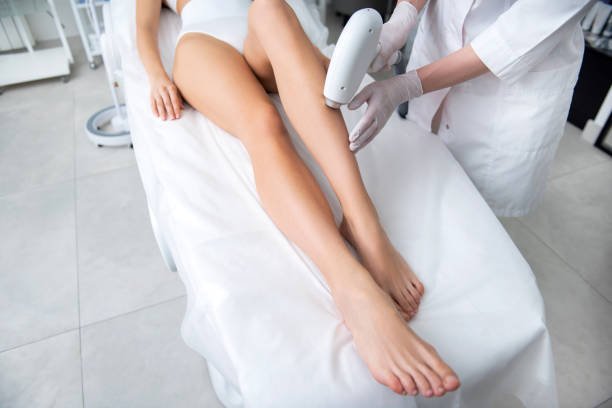
Laser hair removal uses focused light directed toward pigment in the hair. The light heats the hair follicle and can reduce its ability to produce new hair. Because hair grows in cycles, the treatment is generally carried out over multiple sessions rather than in a single visit.
The process is most effective when hairs are in an active growth phase. Not all hairs are in that phase at the same time, which helps explain why several sessions may be recommended. Results vary according to hair color, skin tone, treatment area, and individual response. A qualified professional can assess whether the approach is suitable for a particular person.
How It May Improve Skin After Shaving
Less frequent shaving
When hair growth becomes lighter or slower, a person may not need to shave as often. Fewer blade passes can reduce repeated rubbing across the skin. Over time, this may help skin feel smoother and less bothered by the routine of shaving.
Fewer shaving-related bumps
People who experience bumps after shaving may find that reducing hair growth also reduces opportunities for hairs to become trapped as they grow back. Laser treatment does not guarantee that bumps will disappear, and other factors can still affect the skin. However, less frequent regrowth may make shaving-related bumps less common for some individuals.
A smoother-feeling surface
Shaved hair often returns with a short, blunt edge that can feel coarse against the skin. As regrowth becomes finer or less dense, the treated area may feel smoother between grooming sessions. The change tends to happen gradually, so expectations are best kept realistic.
More even-looking skin over time
Repeated irritation can contribute to temporary redness or uneven-looking areas. By reducing the need for regular shaving, laser hair removal may help limit one source of ongoing friction. Any visible improvement depends on the person’s skin and the reason for the uneven appearance. Laser hair removal targets hair follicles; it is not designed to treat every type of discoloration or skin concern.
What Results May Look Like
Results are gradual, and hair reduction differs from complete, permanent removal. After a series of sessions, some people notice slower regrowth, finer hairs, or less dense hair in the treated area. Others may need occasional maintenance sessions as new growth appears.
Skin may feel different as the shaving routine changes, but improvement is not guaranteed. A person with bumps caused by something other than shaving may not see the same benefit. An assessment can help clarify likely outcomes and whether another approach is more appropriate.
Who May Consider Treatment
Laser hair removal may appeal to people who shave frequently and want to reduce recurring grooming. It can be considered for different body areas, although the suitability and expected response vary. Hair with more pigment often responds differently from very light, grey, or red hair. Skin tone and hair contrast also matter, so an individualized assessment is important.
People with a history of skin sensitivity or a current skin concern should discuss it before beginning treatment. Sharing relevant health and skin information allows the professional to make a more informed recommendation.
Preparing for an Assessment
Before treatment, a person can ask how the process works, what results are realistic, and how many sessions may be needed. It may also help to mention past reactions to hair removal and any changes in the skin. Clear communication supports a plan suited to the individual rather than a one-size-fits-all expectation.
Frequently Asked Questions
Can laser hair removal stop shaving-related bumps?
It may reduce bumps linked to frequent shaving by lowering hair growth and the need to shave. It cannot promise that all bumps will stop, since skin concerns can have different causes.
Does it make skin smooth immediately?
No. Hair reduction develops over a series of sessions, and visible changes usually take time. The treated area may continue to have regrowth between sessions.
Is the result the same for everyone?
No. Hair characteristics, skin tone, treatment area, and individual response all influence results. A professional assessment can provide a more realistic idea of what to expect.
Does laser hair removal treat every mark left by shaving?
No. It focuses on reducing hair growth, not on treating every mark, discoloration, or texture concern. A person seeking help for persistent skin changes can ask for an appropriate assessment.
A Gradual Alternative to Frequent Shaving
Laser hair removal may improve how skin feels after shaving by reducing regrowth and the repeated friction of blade use. For some people, this can mean fewer shaving-related bumps and a smoother-feeling surface. The outcome is gradual and individual, so a careful assessment and realistic expectations matter.