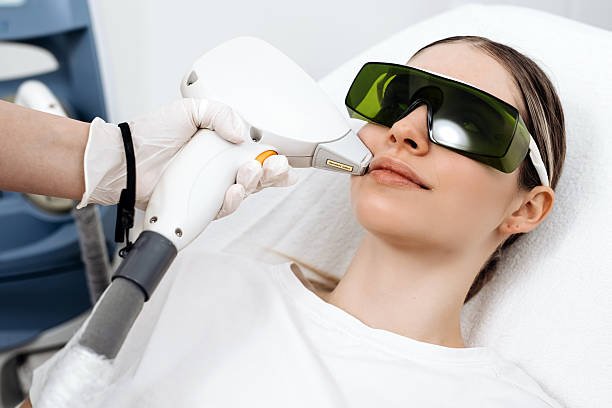
Coarse body hair can feel stubborn, especially when shaving or waxing provides only temporary smoothness. Laser Hair Removal in Abu Dhabi can reduce coarse hair over time by directing light energy toward pigment in the hair follicle. How well it works depends on factors such as hair color, skin tone, treatment area, and the growth cycle of the hair.
How Laser Hair Removal Works on Coarse Hair
Laser devices send concentrated light into the hair. Pigment in the hair absorbs this light, which heats the follicle and can slow future growth. Coarse hairs often contain more pigment and have a larger diameter than fine hairs, making them suitable targets for laser treatment when the hair and skin contrast is appropriate.
The treatment affects hairs that are in an active growth phase. Since not every hair is in that phase at the same time, a series of sessions is generally needed to address regrowth as follicles become active.
Why Coarse Hair May Respond Well
Coarse hair can absorb more laser energy because it often contains more pigment than fine hair. This can make it easier for the laser to target the follicle. Areas with dense, dark hair may show a noticeable reduction after a course of treatments, though results differ from person to person.
Laser treatment is usually described as hair reduction rather than guaranteed permanent removal. Some treated hairs may not return, while others may grow back finer or less densely. Occasional maintenance sessions may be considered if regrowth appears.
Factors That Affect Results
Hair Color and Skin Tone
Dark hair often responds more readily because it contains more pigment for the laser to target. Light blond, white, gray, or red hair may respond less predictably. Modern laser systems are designed for different skin tones, but the appropriate settings depend on an individual’s skin and hair characteristics.
Treatment Area
Coarse hair on areas such as the legs, underarms, or bikini line may respond differently from hair on the face or other hormonally influenced areas. The size of the area, hair density, and growth pattern can all affect the treatment plan.
Hair Growth Cycle
Hair grows in phases, and laser treatment is most effective when a hair is actively growing. Sessions are therefore spaced apart to target different groups of hairs as they enter that phase.
Individual Differences
Hormonal changes, genetics, age, and personal hair-growth patterns can influence how much reduction occurs and how long results last. A qualified practitioner can assess the hair and skin before suggesting a suitable approach.
What to Expect During Treatment
Before a session, the treatment area is assessed and prepared according to the practitioner’s instructions. Protective eyewear is typically used, and the device is adjusted to suit the person’s skin tone, hair, and treatment area.
During the session, the laser is applied to the skin in short pulses. The sensation is often described as a brief snap or warmth. The length of the appointment depends on the size of the area being treated.
Hair does not disappear immediately after a session. Treated hairs may shed gradually over the following days or weeks, while untreated follicles continue their normal growth cycle.
Preparing for a Session
Preparation instructions can vary by device and treatment area. A practitioner may advise avoiding tanning and sun exposure before treatment, as well as shaving the area at an appropriate time. Waxing and plucking are commonly discouraged beforehand because they remove the hair the laser needs to target.
The person receiving treatment should share relevant information about their skin, hair, medications, and previous hair-removal methods during the consultation. This helps the practitioner choose suitable settings and explain realistic expectations.
Choosing a Suitable Approach
A consultation can help determine whether coarse hair is likely to respond to laser treatment. The practitioner can examine the hair and skin, explain how many sessions may be appropriate, and discuss the expected degree of reduction without promising identical results for everyone.
It is also useful to ask which type of laser is being considered and whether it is suitable for the person’s skin tone and treatment area. Clear communication helps set realistic expectations before treatment begins.
Frequently Asked Questions
Can laser treatment remove coarse hair completely?
Laser treatment can significantly reduce coarse hair for many people, but complete and permanent removal cannot be guaranteed. Some hair may remain, and regrowth may occur over time.
Is coarse hair easier to treat than fine hair?
Coarse, dark hair often provides a stronger target for laser energy than fine or lightly pigmented hair. Results still depend on skin tone, hair color, treatment area, and the device used.
How many sessions are usually needed?
Multiple sessions are generally needed because hair grows in cycles. The number and spacing depend on the treatment area and the individual’s response.
Does laser treatment work on every hair color?
It tends to work best on darker hair. White, gray, blond, and red hair may be less responsive because they contain less of the pigment that many laser systems target.
Can treated hair grow back?
Some hair may return after treatment, but it may be finer or less dense. Changes in hormones and individual growth patterns can also affect regrowth.
Is a consultation useful before treating coarse hair?
Yes. A consultation allows the practitioner to assess the hair and skin, explain the likely response, and discuss a treatment plan suited to the individual.